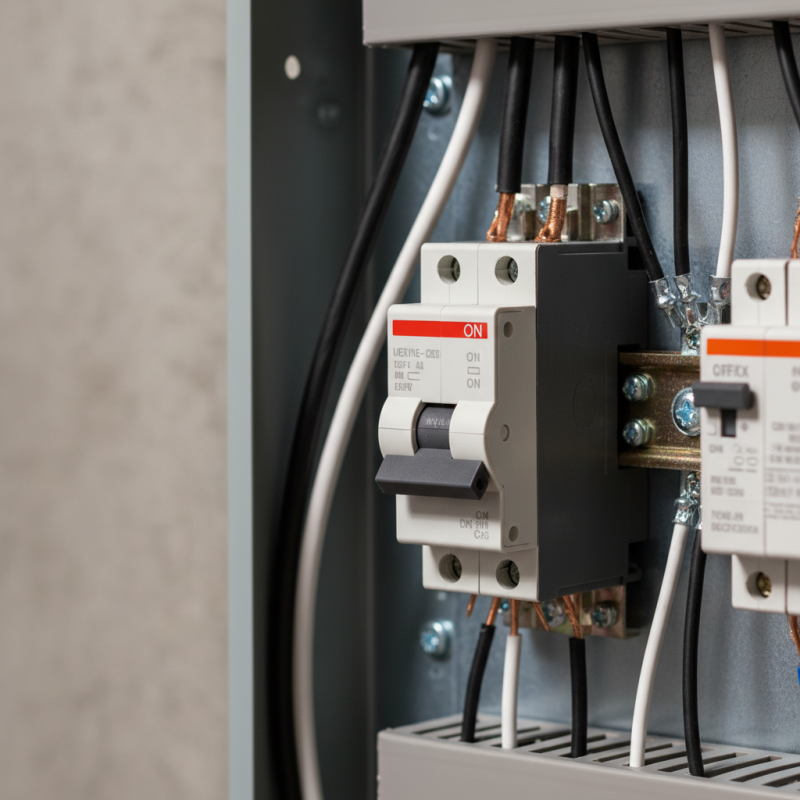
What is a 1 Pole Circuit Breaker and How Does It Work?
A 1 Pole Circuit Breaker is an essential component in modern electrical systems. It offers protection against overloads and short circuits. Knowing how it works can be crucial for homeowners and DIY enthusiasts alike.
This device interrupts the flow of electricity when a fault is detected. It functions through a simple mechanism that can save lives and prevent damage. Understanding the basics can help users make informed decisions about electrical safety.
Many people underestimate the importance of a 1 Pole Circuit Breaker. It might seem like a small part, but it plays a big role. Regular inspections are vital. Neglecting this can lead to dangerous situations. Reflecting on its significance encourages a proactive approach to home safety.
Definition of a 1 Pole Circuit Breaker
A 1 pole circuit breaker is a crucial component in electrical systems. It is designed to protect a circuit by interrupting the flow of electricity when a fault occurs. This breaker is typically used in residential or light commercial applications, safeguarding individual circuits connected to a power supply.
The mechanism behind a 1 pole circuit breaker is relatively simple. When current flows through the circuit normally, the breaker remains closed. However, if there’s an overload or short circuit, it automatically opens. This action stops the current flow, protecting devices and preventing potential hazards like fires.
It’s worth noting that using a 1 pole circuit breaker isn’t always straightforward. Sometimes, users underestimate the current ratings. Choosing the wrong size can result in nuisance tripping or inadequate protection. Installing it incorrectly can lead to unsafe conditions. Always consult a professional if unsure.
Components of a 1 Pole Circuit Breaker
A 1 pole circuit breaker is essential in residential and commercial electrical systems. It protects circuits by interrupting the flow of electricity when a fault occurs. Understanding its components helps in grasping how it functions effectively.
The main components include the contact, bimetallic strip, and mechanism. The contact opens and closes the circuit. If the current exceeds safe levels, the bimetallic strip heats up and bends. This action trips the mechanism, breaking the electrical flow. The mechanism ensures that the breaker resets easily after a fault. Each piece must work in harmony.
**Tip:** Regularly check your circuit breaker for signs of wear. This maintenance can prevent unexpected trips and potential hazards.
Many users overlook the importance of grounding. This component channels excess current safely to the ground. A faulty ground connection can pose serious risks.
**Tip:** Ensure grounding connections are tight and intact. If unsure, consult a professional.
The design of a 1 pole circuit breaker is simple yet effective. While it seems straightforward, ensuring perfect function is tricky. Proper installation and regular inspection can reduce risks significantly.
Mechanism of Operation for 1 Pole Circuit Breakers
A 1 pole circuit breaker is a crucial component in electrical systems. It protects circuits from overloads and short circuits. The mechanism of operation is fascinating yet simple. When the current exceeds a set limit, the breaker trips, stopping the electricity flow. This helps prevent device damage and reduces fire risks.
The internal mechanism typically features a bimetallic strip. As current flows, it heats up. When the temperature exceeds a threshold, the strip bends and triggers the trip mechanism. This process is quick. Statistics show that 75% of electrical fires can be attributed to faulty wiring or devices. Using reliable protection like circuit breakers significantly reduces these dangers.
Tips: Regularly test your circuit breakers to ensure they function properly. Remember, a breaker should reset easily. If it frequently trips, you might need a professional inspection. Monitor the load on your circuits. Knowing your usage can prevent accidental trips and unnecessary downtime. Don't overlook the importance of routine checks and maintenance.
1 Pole Circuit Breaker Operation Current Ratings
Applications and Uses of 1 Pole Circuit Breakers
1 pole circuit breakers are essential components in many electrical systems. They are primarily designed to protect individual circuits from overloads and short circuits. Usually used in residential and light commercial applications, these devices switch off power automatically when they detect a fault. This feature helps to prevent damage to wiring and electric appliances.
In home wiring, 1 pole circuit breakers are commonly found in breaker panels. They protect circuits that power specific areas, such as kitchens or living rooms. This selective protection enhances safety. However, sometimes these breakers may trip unexpectedly. This can frustrate homeowners trying to identify the cause. It’s a reminder that regular checks of electrical systems are crucial for safety and efficiency.
In industrial settings, 1 pole circuit breakers provide significant advantages too. They can control lighting, motor circuits, and more. Using them ensures that the entire system remains operational while isolating faults. Yet, one should reflect on installation practices. Improper installation can lead to repeated tripping or, worse, a fire hazard. Continuous education on the latest standards is vital for anyone working with electrical systems.
What is a 1 Pole Circuit Breaker and How Does It Work? - Applications and Uses of 1 Pole Circuit Breakers
| Feature | Description |
| Poles | 1 Pole |
| Function | Protects one circuit by automatically shutting off power in case of an overload or short circuit. |
| Rated Voltage | Typically rated for 120/240V applications. |
| Current Ratings | Commonly available in ratings from 10A to 60A. |
| Applications | Used in residential and commercial circuits for lighting, outlets, and appliances. |
| Installation Type | Installed in breaker panels or load centers. |
| Tripping Mechanism | Thermal and magnetic mechanisms provide protection against overloads and short circuits. |
| Resetting | Can be reset manually after tripping or fault correction. |
Benefits and Limitations of 1 Pole Circuit Breakers
1 Pole Circuit Breakers are popular choices for residential and commercial electrical setups. They serve an essential role in protecting circuits from overloads. However, like any solution, they come with both benefits and limitations.
On the positive side, 1 Pole Circuit Breakers offer simplicity and ease of installation. They are compact and take up less space in electrical panels. This can be a significant advantage in tight areas. They also provide a quick response to circuit overloads, cutting power immediately. This helps minimize fire hazards and equipment damage. However, the limitations can’t be ignored.
One major drawback is their inability to handle multi-phase systems. They are not suitable for larger machines requiring higher voltages. Their capacity is limited, which could be restrictive for expanding electrical needs. Users often overlook this fact, leading to potential issues later. Regular evaluations of the electrical system are needed. Always ensure the breakers match your specific requirements. This step is crucial in avoiding costly problems down the line.