Get A Free Quote

2026 Best Plumber Tools for Professional Plumbers?

Choosing the right Plumber Tools can determine whether a routine repair takes thirty minutes or an entire afternoon. Professional plumbers work in cramped cabinets, damp basements, crowded utility rooms, and unfinished construction sites. Their tools must survive those conditions while remaining accurate, comfortable, and easy to maintain.

This 2026 guide examines the best Plumber Tools for professional plumbers, focusing on real job-site performance rather than attractive product claims. We consider pipe wrenches, press tools, inspection cameras, drain machines, cutters, leak detectors, and essential measuring equipment. Each category is reviewed through practical details, including grip quality, battery life, jaw alignment, service access, portability, and performance around water and debris.

Small details matter. A loose handle can slow a repair. A weak work light can hide a cracked fitting. A heavy drain machine can create unnecessary fatigue before lunch. These are not theoretical concerns; they appear during ordinary service calls.

The recommendations reflect professional experience, manufacturer specifications, safety guidance, and repeated attention to reliability. Still, no tool is perfect. Some premium models cost more than smaller businesses can justify, while certain affordable tools may outperform expectations. That tension deserves honest discussion.

We also recognize that plumbing work varies by region, material, and trade specialization. A residential service plumber may value compact cordless equipment. A commercial installer may prioritize power, durability, and extended runtime. Use this guide as a practical starting point, then compare each tool with your own workload, training, and maintenance habits. A carefully selected kit saves time, protects workmanship, and supports safer decisions on demanding jobs.
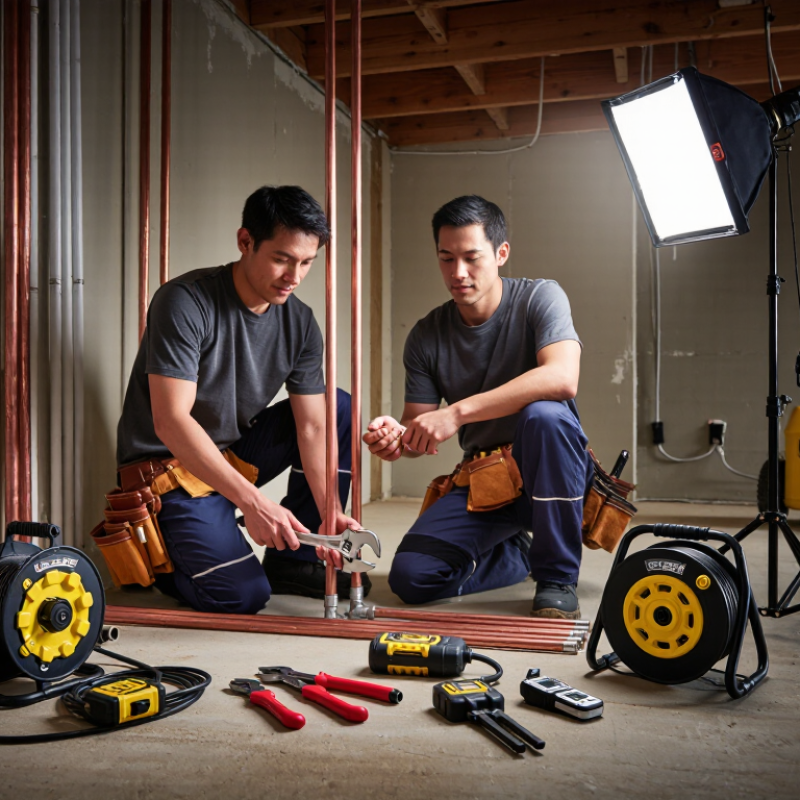
2026 Best Plumber Tools for Professional Plumbers?

What Professional Plumber Tools Are and Why They Matter

2026 Best Plumber Tools for Professional Plumbers?

What Professional Plumber Tools Are and Why They Matter

Professional plumber tools are purpose-built instruments for installing, repairing, and testing water systems. They include pipe wrenches, tubing cutters, basin wrenches, pressure gauges, inspection cameras, and drain-cleaning equipment. Each tool solves a specific problem. A sharp tubing cutter leaves a cleaner edge, while a calibrated pressure gauge helps identify hidden leaks.

Reliable tools improve accuracy, safety, and working speed. A plumber may work beneath a sink with limited light and wet flooring. A compact inspection camera can reveal a damaged joint without unnecessary wall removal. Protective gloves, eye protection, and stable lighting also matter. They are not optional extras. They protect the worker and support careful decisions.

In my experience, tool quality becomes obvious during difficult repairs. Weak jaws slip. Poor batteries fail at the worst moment. However, expensive equipment does not guarantee professional work. Correct selection, regular cleaning, and proper calibration matter more than appearance. I have sometimes carried too many tools and slowed the job. That mistake still influences my preparation.

A professional should inspect handles, cutting edges, cables, seals, and measurement accuracy before use. Manufacturers’ instructions and local plumbing standards should guide testing and installation. Good records help track worn parts and repeated faults. The best tool is not always the largest or newest. It is the one that performs safely, fits the task, and provides dependable results under pressure.

How to Choose the Right Plumber Tools for Different Jobs

Choosing the right plumber tools starts with the job, not the toolbox. A clogged kitchen drain may need a hand auger, while a deep obstruction often requires a longer cable machine. For leaking joints, use adjustable wrenches, basin wrenches, and properly sized pipe cutters. The fit matters. A poorly sized wrench can damage soft fittings and leave sharp marks around the connection.

Experienced plumbers also consider access, material, and working space. Plastic pipe needs controlled pressure, while older metal pipe may require stronger grips and penetrating lubricant. A compact inspection camera helps locate blockages behind walls, but it cannot replace careful testing. I check water pressure before changing valves and inspect threads under bright light. Small details prevent repeated visits.

Tool quality is important, but maintenance is equally practical. Clean cutting wheels after use, dry steel tools, and test battery-powered equipment before leaving the workshop. I once carried a worn seal-puller to a difficult repair and lost valuable time. That mistake changed my checklist. Still, no checklist is perfect. Weather, cramped cabinets, and unexpected corrosion can disrupt a plan. Keep backup hand tools available, and choose equipment that matches your training, local requirements, and the actual repair.

Essential Hand Tools Every Professional Plumber Needs

In 2026, professional plumbers still rely on well-made hand tools before reaching for powered equipment. A dependable adjustable wrench handles supply connections and compression nuts. A pipe wrench provides controlled grip on larger threaded fittings. Keep both jaws clean and free from oil. Slipping tools can damage fittings or skin.

A basin wrench reaches fasteners hidden behind sinks. Its swiveling head matters when space is limited. Tubing cutters create cleaner cuts on copper, plastic, and multilayer pipe. Use a deburring tool afterward. Sharp edges can weaken seals and injure fingers. Add tongue-and-groove pliers, insulated screwdrivers, hex keys, and a strong measuring tape to the daily kit. A small level helps confirm proper fixture alignment.

Experience also makes tool selection more reliable. I check wrench movement, cutter wheels, and handle insulation before each job. Small defects become expensive delays. I once trusted a dull cutter and produced an uneven pipe end; the fitting leaked during testing. That mistake reinforced a simple habit: inspect, cut, deburr, and test slowly. A flashlight, inspection mirror, and magnetic pickup tool can reveal problems under cabinets. Still, no tool replaces careful diagnosis. Read fitting instructions, respect material limits, and use measured force instead of brute strength. Tools should support judgment, not hide uncertainty.

2026 Best Plumber Tools for Professional Plumbers

Essential hand tools compared by their typical maximum working capacity. These representative specifications reflect commonly available professional-grade tool sizes and may vary by tool design.

Capacity is shown in inches and refers to the typical maximum pipe, fitting, or fastener size each hand-tool category is designed to handle.

Specialized Equipment for Advanced Plumbing Work

In 2026, professional plumbers need more than basic wrenches and drain snakes. Advanced work demands accurate inspection, pressure control, and minimal property disruption. A thermal camera can reveal temperature changes behind walls. An acoustic leak detector can identify hidden water movement beneath floors. A compact inspection camera helps confirm pipe damage before cutting into surfaces.

The U.S. Environmental Protection Agency reports that household leaks can waste more than 10,000 gallons of water yearly. Nationwide, leaks may waste nearly 1 trillion gallons annually. That figure makes electronic leak detection a practical investment, not a luxury. Digital pressure gauges, hydrostatic test pumps, pipe locators, and calibrated flow meters support safer diagnosis. Accuracy comes first.

The U.S. Bureau of Labor Statistics projects about 48,600 annual openings for plumbers, pipefitters, and steamfitters from 2022 to 2032. Skilled workers will need equipment that improves speed without replacing judgment. A camera image can mislead when lighting is poor. A pressure reading can change after temperature shifts. I still find that rushed testing creates expensive callbacks. Better records help: document pipe depth, test pressure, inspection time, and visible defects. Small errors spread. PPE, electrical checks, and proper ventilation remain essential around wet work and confined spaces. Reliable tools require training, calibration, and a willingness to question the first result.

How to Maintain, Organize, and Safely Use Plumber Tools

Professional plumbers in 2026 need more than a full tool bag. They need tools that remain accurate, clean, and ready under pressure. After every job, rinse debris from cutters, dry metal surfaces, and apply a light protective coating where appropriate. Inspect pipe wrenches, seals, hoses, and electrical testers before storage. A damaged jaw can scar pipe and cause leaks. I once ignored a stiff ratchet, and it failed during a cramped repair. That mistake slowed the job and deserved more attention.

Tips: Keep frequently used tools at waist level. Store sharp items in protective sleeves. Label measuring tools clearly. Replace worn handles early. A small checklist helps, although I still forget one item occasionally.

Organize tools by task, not only by size. Keep drain equipment separate from clean installation tools. Use divided cases for fittings, washers, and testing accessories. This reduces searching and prevents small parts from disappearing under larger tools. Before using any tool, isolate the water supply and confirm the work area is dry. Follow the tool’s instructions, especially when using powered equipment or pressure-testing devices. Wear eye protection, gloves suited to the task, and slip-resistant footwear. Keep the workspace ventilated when cleaning products or heated materials are involved. Never force a tool beyond its rated purpose. Stop when something feels wrong. A second inspection is often cheaper than a damaged pipe, injury, or return visit.

Article Source:

crossmenu linkedin facebook pinterest youtube rss twitter instagram facebook-blank rss-blank linkedin-blank pinterest youtube twitter instagram