10 Best Adult Electric Tricycles With Covers for 2026
A covered electric tricycle can turn a damp, chilly ride into a practical trip to the shops. Yet a roof and side panels are only useful when they preserve clear sightlines, easy entry, and access to the controls. That balance matters for older riders and anyone seeking steady, weather-protected transport.
The World Health Organization projects that by 2030, “1 in 6 people in the world will be aged 60 years or over.” WHO healthy-ageing specialist Dr. Alana Officer has emphasized the importance of supporting people’s ability to remain active and independent. For an Adult Electric Tricycle With Cover, that means looking beyond motor power. Seat height, braking, turning space, and weather protection deserve close attention.
Market growth adds context, but not a shortcut to choosing well. PeopleForBikes reported that U.S. e-bike sales grew 240% from 2019 to 2021. That trend signals rising interest, not proof that every model is safe or comfortable for every rider. A cover can also catch wind, restrict visibility, or make mounting awkward. Small details matter.
This 2026 guide compares ten adult electric tricycles with covers through practical features: canopy coverage, stability, battery range, brakes, and everyday access. Specifications vary, and published range figures rarely reflect every rider or route. Treat them as estimates. A short test ride can reveal what a product page cannot.
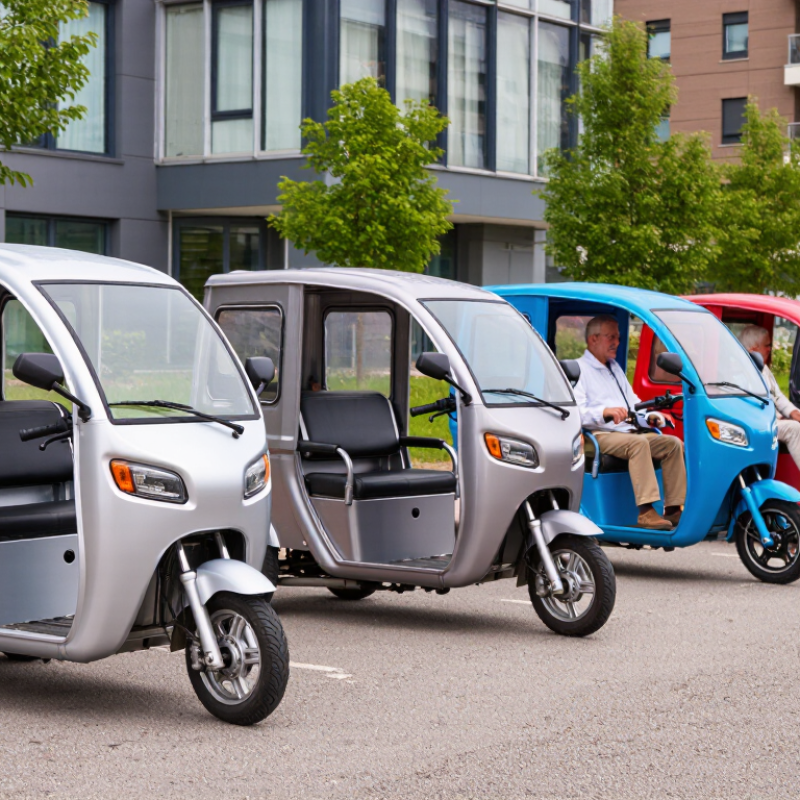
Adult Electric Tricycles With Covers: Types, Uses, and Key Features
Adult electric tricycles with covers come in several practical designs. A simple canopy shields the rider from light rain and strong sun while keeping the sides open. Semi-enclosed models add a windshield or side panels, offering better protection without fully closing the cabin. Cargo tricycles may use a covered rear box to keep groceries or work supplies dry. Rain changes everything.
The right style depends on daily use. For short neighborhood trips, an open canopy can feel airy and make getting on and off easier. Commuters facing colder or wetter weather may prefer a larger enclosure, but should check visibility, ventilation, and door access. A delivery rider might value a covered cargo area more than a fully enclosed seat. Measure storage space before buying; covered tricycles can be bulky.
Look closely at the cover’s frame, fasteners, and material. Clear panels should provide an unobstructed view, and removable sections make cleaning simpler. Check that the brakes, lights, and mirrors remain easy to reach and see. Fit matters. A tall cover can catch crosswinds, while added weight may reduce range, especially with hills or heavy loads. Ask for realistic range estimates under similar conditions, and test the tricycle with the cover installed. Some details are easy to overlook. A quick ride in dry weather may not reveal how noisy or cramped the cabin feels on a wet day.
Safety Standards and Weather Protection: UL 2849 and Canopy Design
For an adult electric tricycle with a canopy, safety starts with the electrical system, not the fabric roof. UL 2849 evaluates an e-bike’s electrical system, including key battery and charging components. Check that the exact tricycle configuration is covered and that its documentation is available. A sticker alone may not answer every question. Ask the seller what was tested, and use only the specified charger.
Tips: Before riding, check canopy clamps, frame joints, and cable routing. Make sure the cover does not hide lights or mirrors. Keep fabric clear of wheels and brakes. Small details matter.
A canopy should shed light rain and reduce sun exposure, but it is not a guarantee against heavy rain or gusty wind. Look for secure supports, useful side coverage, and enough ventilation to prevent heat from building up. Sit on the tricycle and check your sightlines; a low front edge can block the view of a curb. Try turning slowly in an open area, since a canopy may catch wind and affect handling. I would not assume every cover suits every route. Some designs are awkward to adjust, and that deserves a real-world check before purchase.
How to Compare 10 Covered E-Trikes: Range, Payload, Brakes, and Warranty
When comparing 10 covered e-trikes, treat advertised range as a starting point, not a promise. A 2022 NPD Group report found U.S. e-bike sales rose 269% from 2019, reflecting broader adoption—not proof that every model suits daily use. Check battery capacity, then compare range with your route, hills, temperature, and total load. A wet, sloped driveway can feel very different from a flat showroom test. Payload means rider, bags, and accessories combined.
Tips: Test the trike with a realistic load. On a safe, level path, check braking from a gentle riding speed; then repeat on a mild incline if conditions allow. Look for predictable stopping and a parking brake that holds the vehicle still. A canopy may add wind resistance, so ask whether range estimates were measured with the cover fitted. Small detail, big difference.
Read warranty terms line by line. Confirm coverage for the battery, motor, frame, and electrical components, plus any mileage or time limits. Ask whether normal capacity loss is excluded and how service is handled. UL 2849, a recognized electrical-system safety standard, can help assess e-bike electrical safety, but it does not certify range, payload, or braking performance. Compare those separately. A higher payload rating is useful only if the seat, frame, and brakes feel stable under load.
Choosing a 2026 Model: Match Battery, Load Rating, and Cover to Your Needs
For a 2026 adult electric tricycle, match the battery to your route, not the largest number on the spec sheet. Battery energy is measured in watt-hours: volts multiplied by amp-hours. Compare that figure with a real-world range test carrying a similar load. Hills, cold weather, frequent stops, and a heavy rider can all shorten a ride. Numbers need context. PeopleForBikes’ 2024 U.S. Bicycling Participation Report estimated that 112 million Americans rode a bicycle at least once in 2023. That broad figure signals widespread cycling interest, but it does not predict an individual trike’s range or suitability.
Check the load rating against the combined weight of rider, cargo, and accessories. Leave a margin for groceries or a child’s seat, if permitted by the trike’s design. A test ride with a loaded basket can reveal awkward steering that a brochure cannot. The cover matters, too. Look for enough headroom, clear sightlines, secure attachment points, and ventilation that prevents fogged eyewear. A full canopy may catch wind; a small rain shield may leave your legs exposed. There is no perfect cover. Compare the maker’s stated payload and weather protection with your actual commute, then ask a qualified dealer to confirm fit and braking performance under load. One detail is easy to miss: added cover weight also reduces available payload.