Get A Free Quote

What Are the Best Automotive Electronic Systems in 2026?

In 2026, the best Automotive Electronics are not necessarily the newest or most screen-heavy. They are systems that work reliably together, respond clearly, and support safe driving. An Automotive Electronic System may combine driver-assistance sensors, control units, connected services, battery management, and the cabin interface. Each part has a different job, but problems often emerge where systems interact.

This guide compares key technologies through practical measures: safety performance, reliability, ease of use, upgrade support, and value. A lane-assistance feature, for example, should behave predictably on a marked road and communicate limitations clearly. An infotainment system should pair promptly with a phone, even after a restart. Small details matter. A delayed warning or confusing menu can affect confidence more than a long feature list suggests.

No single system will be best for every driver or vehicle. Performance can vary with model, software version, road conditions, and local support. That makes broad rankings imperfect. They still help, but specifications alone cannot reveal every everyday frustration. The sections ahead explain what leading systems do, where they differ, and which questions buyers should ask. They also consider the trade-offs behind convenience, connectivity, and automated assistance, using manufacturer information and practical evaluation criteria rather than feature counts alone. A careful comparison offers a clearer view. The best choice is the one that fits the vehicle and driver, and remains dependable beyond a showroom demonstration.
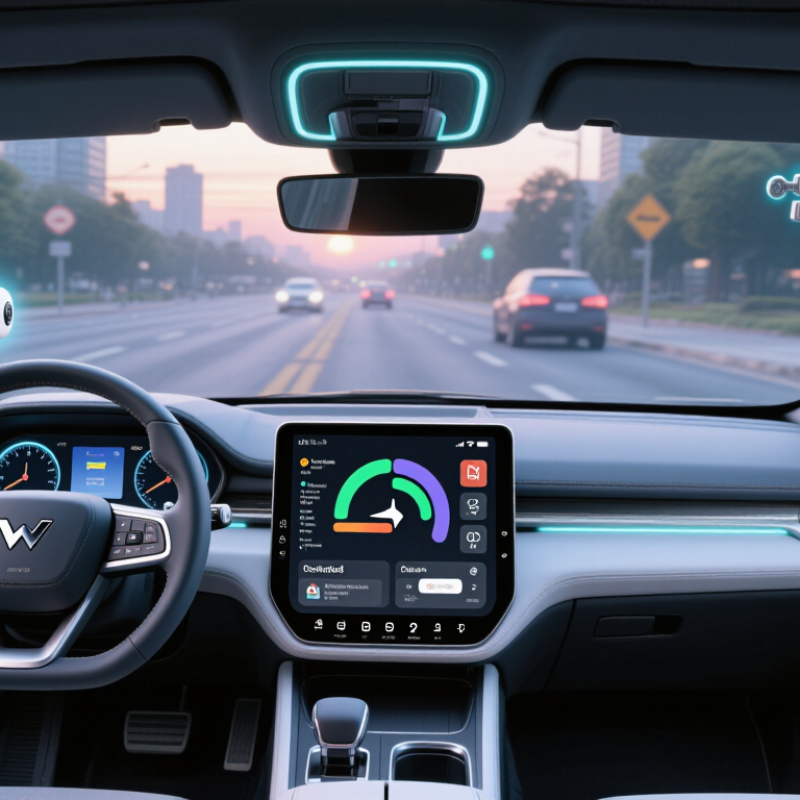
What Are the Best Automotive Electronic Systems in 2026?

Core Functions of Automotive Electronic Systems

Automotive electronic systems connect sensors, control units, and actuators to manage a vehicle’s essential functions. Sensors measure details such as wheel speed, engine temperature, and steering angle. Control units process those signals and adjust components, often within milliseconds. The driver may notice only a steady idle or a brake pedal that responds predictably. Small details matter.

Powertrain electronics help regulate fuel delivery, ignition, and electric-motor output, depending on the vehicle’s design. Braking and stability systems monitor wheel behavior and can adjust braking force when traction changes. Driver-assistance functions use cameras, radar, or other sensors to detect nearby objects and provide alerts or limited intervention. Their performance depends on sensor condition, visibility, and system calibration.

Cabin electronics coordinate displays, climate settings, lighting, and communication between vehicle modules. These features improve usability, but they also add diagnostic complexity. A warning light may point to a failed component, a loose connection, or inconsistent sensor data; careful testing is needed before replacing parts. No system is infallible. Drivers should remain attentive, and technicians should verify faults with suitable diagnostic tools rather than relying on a single reading. Even routine maintenance can reveal issues early, though electronic checks do not replace mechanical inspection.

Key Categories of Vehicle Electronics in 2026

In 2026, vehicle electronics are best understood as connected systems, not isolated gadgets. Key categories include powertrain controls, driver-assistance sensors, cabin technology, and body electronics. Powertrain controllers coordinate motors, batteries, or combustion systems to support smooth, efficient operation. Cameras, radar, and ultrasonic sensors help detect nearby vehicles, lane markings, and obstacles. They assist drivers, but their performance can change with rain, dirt, glare, or worn sensors.

Cabin electronics manage displays, climate controls, audio, and phone connections. Body systems handle practical details such as lighting, door locks, and window motors. A less visible category is vehicle networking: control units exchange data so braking, steering, and safety features can respond together. Diagnostic systems can also flag faults early, although a warning light does not always identify the exact cause.

Software matters, too. Updates may improve functions, but owners should check release notes and follow the vehicle’s approved service guidance. Not every new feature feels useful; some interfaces still distract more than they help.

Tips: Keep sensor areas clean, especially after dusty drives. Notice changes in warnings or handling. Ask a qualified technician to check persistent faults, and avoid assuming that driver-assistance features replace attentive driving. Small checks help.

A little uncertainty remains: real-world performance depends on maintenance, weather, and vehicle design.

Criteria for Comparing System Performance and Value

Compare automotive electronic systems by measured outcomes, not feature counts. For a driver-assistance system, log detection range, false alerts, response time, and performance in rain or dusk. For infotainment, check boot time, phone reconnection, and standby power use. Test systems on the same route, at similar temperatures, and with matching software versions. Otherwise, the comparison can mislead. No metric is perfect.

Value includes lifetime cost, repairability, update support, and energy use—not just the purchase price. The IEA’s Global EV Outlook 2025 reports that electric car sales exceeded 17 million in 2024, topping 20% of global car sales. That scale makes battery-management and thermal-control performance practical buying criteria. Deloitte’s 2025 Global Automotive Consumer Study surveyed more than 27,000 consumers in 26 countries, underscoring that value expectations differ across markets. A specification sheet cannot reveal every real-world weakness.

Tips: Record results over several drives, including cold starts and stop-and-go traffic. Compare warranty coverage and replacement costs, too. Bench tests help, but they rarely capture every daily-use problem.

What Are the Best Automotive Electronic Systems in 2026?

Criteria-based comparison of performance and value across major automotive electronics categories.

Scores are illustrative, normalized assessments—not measured results for specific products. Performance reflects capability, reliability, and safety; value reflects functionality, efficiency, cost, and serviceability.

Leading Technologies Across Modern Vehicles

Modern vehicles rely on electronic systems that work quietly together: battery controls, sensor networks, braking assistance, and over-the-air software. Their value shows up in ordinary moments: a warning light before a weak battery becomes a roadside problem, or a short steering correction when lane markings remain visible. The International Energy Agency’s Global EV Outlook 2024 reported nearly 14 million electric-car sales in 2023, about 18% of global car sales. That shift makes dependable power electronics and battery monitoring central, not optional.

Driver-assistance technology also depends on careful sensor integration. Cameras can struggle with glare; radar may interpret nearby objects imperfectly. The Insurance Institute for Highway Safety reported that forward collision warning with automatic braking reduced rear-end crashes by about half in its real-world study. Impressive, but not a promise against every collision. Clear driver alerts and predictable braking behavior matter as much as adding another feature.

Software-defined vehicle systems can coordinate updates, diagnostics, and cabin functions through shared computing platforms. This may reduce scattered control units, yet it also creates a practical challenge: one software fault can affect several features. Secure updates, documented testing, and a usable manual fallback deserve equal attention. Sometimes the best technology is less noticeable. It simply works. That standard is still harder to meet than glossy demonstrations suggest.

How Integration Shapes Safety, Connectivity, and Efficiency

What Are the Best Automotive Electronic Systems in 2026?

The strongest automotive electronic systems work as a coordinated whole, not as isolated features. A camera may detect a lane edge while radar tracks a vehicle ahead. Shared timing lets the control system compare those signals and respond with a warning or measured braking. That coordination matters. If sensors disagree, the system should communicate uncertainty rather than behave as if it knows everything.

Connectivity adds another layer. Vehicle networks can link navigation, battery management, cabin controls, and maintenance diagnostics. For an electric vehicle, route elevation and traffic conditions can help estimate energy use and prepare the battery for charging. Secure, carefully managed data paths matter because one faulty connection can affect several functions. More links can mean more points of failure.

Integration can also improve efficiency by reducing duplicated hardware and helping systems share power and processing resources. Thermal controls, for example, may coordinate battery and cabin heating to limit wasted energy. Yet integration is not automatically better. Alerts can arrive at the wrong moment, and software updates may change familiar behavior. Small gaps remain. Engineers need to test systems in rain, glare, cold starts, and ordinary stop-and-go traffic, then make limitations clear to drivers.

crossmenu linkedin facebook pinterest youtube rss twitter instagram facebook-blank rss-blank linkedin-blank pinterest youtube twitter instagram