Get A Free Quote

7 Best Cantilever Racks for Warehouse Storage

Warehouse storage is often judged by what fits on a pallet. Long, bulky materials demand a different measure: clear access, stable support, and usable floor space. A Cantilever Rack addresses these needs with open-front arms designed for items such as steel tubing, lumber, and sheet stock. The details matter. Arm length, column spacing, load ratings, and aisle width all affect how safely and efficiently a system works.

The 2024 MHI Annual Industry Report found that 55% of surveyed supply-chain professionals planned to adopt robotics and automation within five years. That figure reflects a broader push toward more adaptable operations, not a guarantee that automation suits every warehouse. John Paxton, MHI’s CEO, has emphasized the importance of technology investment in building resilient supply chains. For rack selection, the practical lesson is to match equipment to actual loads and handling methods—not to chase trends. Measure first.

This guide compares seven cantilever rack options for warehouse storage, focusing on capacity, configuration, adjustability, and intended use. Expect trade-offs. A heavier-duty rack may offer more capacity but consume more space or budget. Product specifications should be checked against the manufacturer’s load charts, and site conditions deserve a close review. One overlooked measurement can change the whole layout.
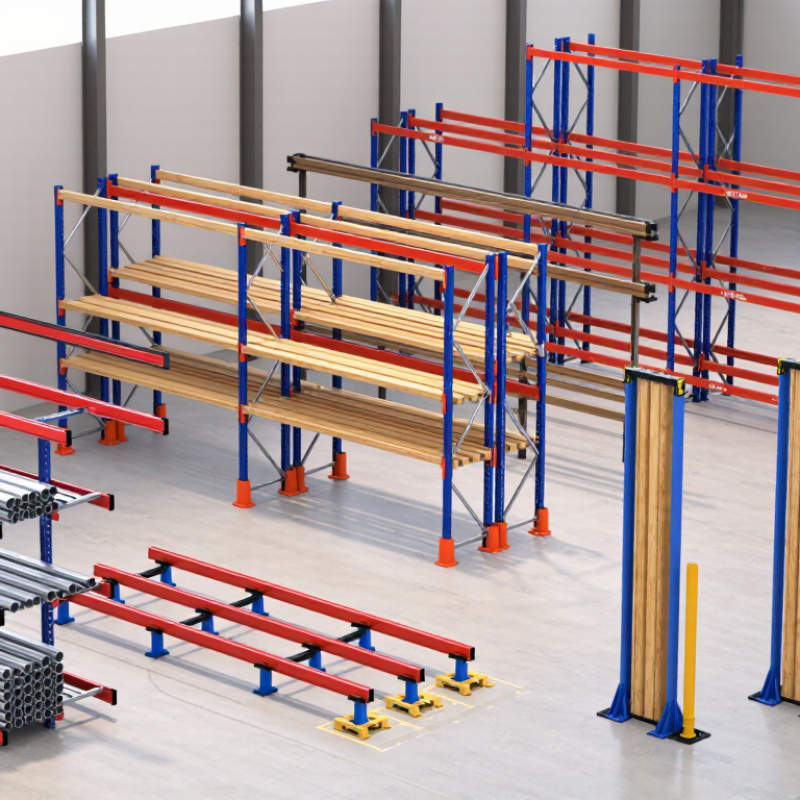
7 Best Cantilever Racks for Warehouse Storage

Understanding Cantilever Racks and Their Warehouse Uses

Cantilever racks store long, bulky items that ordinary pallet beams cannot support well. Open fronts allow forklifts to place timber, pipe, steel sections, or furniture panels directly onto projecting arms. Uprights, arms, and base plates form the load path. Each level needs a clearly defined capacity, and loads should sit evenly across the arms. Check the rack’s rated capacity and anchor requirements before installation. Small details matter.

Rack layout should match the material, not just the available floor space. Measure the longest stock, consider how it will be lifted, and leave enough aisle width for safe turning. Keep heavy items low, and prevent overhang from obstructing walkways.

MHI’s 2024 Annual Industry Report found that 55% of respondents were increasing supply-chain technology investment. That figure does not measure rack demand, but it reflects growing pressure to coordinate inventory and warehouse operations.

A simple rack can help, though poor labeling or uneven loading can undo the benefit. Plans look tidy on paper. Real stock is less predictable.

How to Choose a Rack for Your Inventory and Storage Space

Choosing a cantilever rack starts with the inventory, not the rack itself. Measure the longest items, their weight, and how often workers retrieve them. Pipe, lumber, and sheet goods need different arm lengths and spacing. Leave enough clearance for loads to overhang safely without blocking aisles or nearby equipment. Measure twice.

Next, check the building. Note ceiling height, column locations, floor condition, and the turning space required by your forklift or handling equipment. Compare the rack’s rated capacity with the load on each arm and upright; do not rely on total capacity alone. Confirm anchoring and installation requirements with a qualified supplier or engineer, especially when loads are unusually heavy or uneven. A layout that looks efficient on paper may feel cramped during daily picking. That is easy to overlook.

Tips: Keep a small reserve of space for changing inventory. Label load limits where operators can see them, and inspect arms and connections regularly for damage. Recheck the layout after a few weeks of use; the first plan may need adjustment.

Cantilever Rack Arm Lengths: Common Planning Options

Compare common arm projections when choosing a rack for your inventory. Available sizes and load capacities vary by rack design.

Choose an arm length that supports the load securely while leaving enough aisle clearance. Confirm the rack’s rated capacity with the supplier before loading.

Seven Best Cantilever Rack Options for Warehouse Storage

Seven Best Cantilever Rack Options for Warehouse Storage

The right cantilever rack depends on what you store, how often it moves, and available floor space. Single-sided racks sit against a wall; double-sided units serve picking from both sides. They suit long loads such as pipe, lumber, and steel sections. Keep the longest pieces within the arms, not hanging into an aisle.

Four more options address different warehouse conditions. Structural-steel racks handle demanding loads and frequent use. Roll-formed racks can offer a lighter, adjustable setup. Adjustable-arm designs help when product sizes change, though reconfiguring arms takes time. Outdoor-rated racks use weather-resistant finishes for yard storage. Mobile cantilever racks compact aisles, but require careful checks of floor capacity and movement controls. Seven choices, different trade-offs.

MHI’s 2024 Annual Industry Report found that 55% of surveyed supply-chain professionals planned to increase technology investment. That points to a need for adaptable storage, but a rack is only as useful as its layout and load plan.

Before buying, measure the longest bundle, confirm arm and upright capacities, and check the floor beneath each base. Read the load labels. A small measurement error can leave costly overhang or blocked access. The best option is not always the largest one.

Comparing Rack Capacity, Materials, and Configurations

Cantilever racks vary most in load rating, arm length, material, and layout. Check the rated capacity of each arm and upright, not just the system’s total capacity. Long timber or pipe can place uneven pressure on arms, especially when bundles are loaded off-center. Capacity also depends on arm spacing and how weight is distributed. Do not guess. Confirm the supplier’s load chart and match it to the actual goods.

Most warehouse systems use structural steel, but finish matters too. Powder-coated steel suits many dry indoor areas and resists everyday scuffs. Galvanized finishes can be more suitable where moisture is a concern. Inspect welds, base plates, and arm connections before installation. A bright coating is not proof of a higher load rating. That detail matters.

Configuration affects access and floor space. Single-sided racks fit against walls; double-sided racks serve aisles from both sides but need more clearance. Adjustable arms help accommodate changing stock, while fixed arms can simplify a stable storage plan. Leave turning room for forklifts and space for safe loading. The best option depends on the longest item, available aisle width, and handling equipment. A spreadsheet can still miss a practical issue: awkward bundles may not sit neatly on every arm. Include real load dimensions in the comparison.

Planning Safe Rack Installation, Loading, and Maintenance

A cantilever rack is safe only when its layout, anchors, and load plan work together. Measure the longest stock, forklift turning space, and aisle clearance before installation. Check the floor condition and confirm that the rack design suits the site. OSHA’s 29 CFR 1910.176(b) requires stored materials to remain stable and secure against sliding or collapse. For engineered rack design, consult the applicable ANSI/RMI MH16.1 requirements and qualified professionals. Good planning can feel slow.

Load arms evenly and stay within the rack’s rated capacity. Place heavier items on lower levels, and keep stock from extending into travel paths. BLS reported a 2022 total recordable injury and illness rate of 4.8 cases per 100 full-time workers in warehousing and storage, compared with 2.7 across private industry. That figure covers the industry broadly, not rack incidents alone. Still, it reinforces the value of clear procedures and attentive work. Inspect upright bases, braces, arms, anchors, and floor areas on a regular schedule. Look for bent steel, loose fasteners, or fresh impact marks. Record damage and restrict access to affected sections until they are assessed. Even careful teams miss small changes. A simple checklist helps, but it should never replace a competent inspection.

7 Best Cantilever Racks for Warehouse Storage - Planning Safe Rack Installation, Loading, and Maintenance

Rack option Best suited for Layout and features Installation and loading checks Maintenance focus
Single-sided cantilever Storage along walls or at the edge of a storage area. Arms project from one side of the upright columns; requires less aisle frontage than a back-to-back layout. Confirm the floor can support the rack and its loads. Install anchors and any required bracing to the approved rack design. Check column plumb, anchors, braces, and arms for impact damage or loosening.
Double-sided cantilever Central warehouse rows where access is needed from both sides. Arms extend from both faces of the columns, increasing storage access from a shared row. Keep the rack configuration and load plan balanced on both sides as specified by the rack design; protect aisles for handling equipment. Inspect both faces of each row, including connections, bracing, anchors, and areas exposed to equipment contact.
Light-duty cantilever Relatively light, long items such as trim, small tubing, and narrow boards. Typically uses a lighter rack construction; arm spacing and length should match the stored material. Use only within the capacity shown on the rack’s load documentation. Support long items across enough arms to prevent excessive sagging. Look for bent arms, damaged connectors, missing pins or retainers, and changes to the load signage.
Heavy-duty cantilever Heavy or bulky materials such as steel sections, large pipes, and timber packs. Designed for higher loads when engineered for the application; actual capacity varies with the rack design and loading arrangement. Have the rack configuration, floor conditions, anchors, and load ratings confirmed for the intended loads before use. Do not estimate capacity by appearance. Arrange prompt assessment of impact damage, deformation, loose connections, or anchor movement by a qualified person.
Structural-steel cantilever Applications requiring a rack system engineered around demanding loads or operating conditions. Built from structural steel components; configuration and capacity depend on the selected design and component specifications. Follow the approved drawings and component specifications. Do not mix components or modify the rack without design approval. Inspect welds, bolted connections, braces, columns, and protective coatings; document damage and repairs.
Roll-formed cantilever Warehouse storage where a compatible modular rack configuration meets the load requirements. Uses formed steel components; arm positions may be adjustable on compatible systems. Verify that uprights, arms, braces, and connectors are designed to work together. Reposition arms only as permitted by the rack instructions. Check formed members for dents, twisting, corrosion, and damaged connection points; replace only with approved compatible parts.
Outdoor cantilever Covered yards or exposed storage areas for weather-tolerant long materials. May use corrosion-resistant finishes and weather-suitable components; outdoor suitability depends on site exposure and design. Account for the site’s foundation, drainage, corrosion exposure, and applicable environmental loads. Use a design approved for the location. Check regularly for rust, coating damage, standing water, anchor deterioration, and effects of weather exposure.

Safety note: Rack capacities and installation requirements are specific to the engineered configuration. Follow the rack documentation, display load information, train operators, and remove damaged equipment from service until it has been assessed.

crossmenu linkedin facebook pinterest youtube rss twitter instagram facebook-blank rss-blank linkedin-blank pinterest youtube twitter instagram