What Is the Best Diamond Hole Saw for Tile and Glass?
Choosing the best Diamond Hole Saw for tile and glass requires more than comparing grit, price, or advertised cutting speed. Materials behave differently. Porcelain tile can resist ordinary abrasives, while glass may chip, crack, or overheat within seconds.
The market context is significant. Grand View Research’s Diamond Tools Market report identifies construction, renovation, and precision fabrication as major demand areas. MarketsandMarkets also reports continued use of diamond tools where hard, brittle materials require controlled cutting. These findings support a practical conclusion: tool selection should match the material, hole diameter, drilling method, and expected workload.
No single hole saw wins every job. That matters.
In field use, a quality diamond hole saw should create a clean edge, maintain stable cutting, and remove heat through water or another approved cooling method. Tile installers often value consistent diamond exposure and a reinforced body. Glassworkers may prioritize low vibration, accurate guidance, and gentle pressure. A tool that performs well on ceramic tile can still damage tempered or laminated glass.
Safety guidance from the Occupational Safety and Health Administration emphasizes controlling silica exposure during cutting operations. Users should also follow the tool manufacturer’s cooling, speed, and personal protective equipment instructions. These details are not optional extras.
This guide compares key Diamond Hole Saw designs, sizes, bonding methods, and practical test criteria. It also recognizes an uncomfortable limitation: performance claims are not always measured under identical conditions. A careful buyer should question vague “fastest” promises and examine edge quality, service life, compatibility, and real installation feedback before deciding.
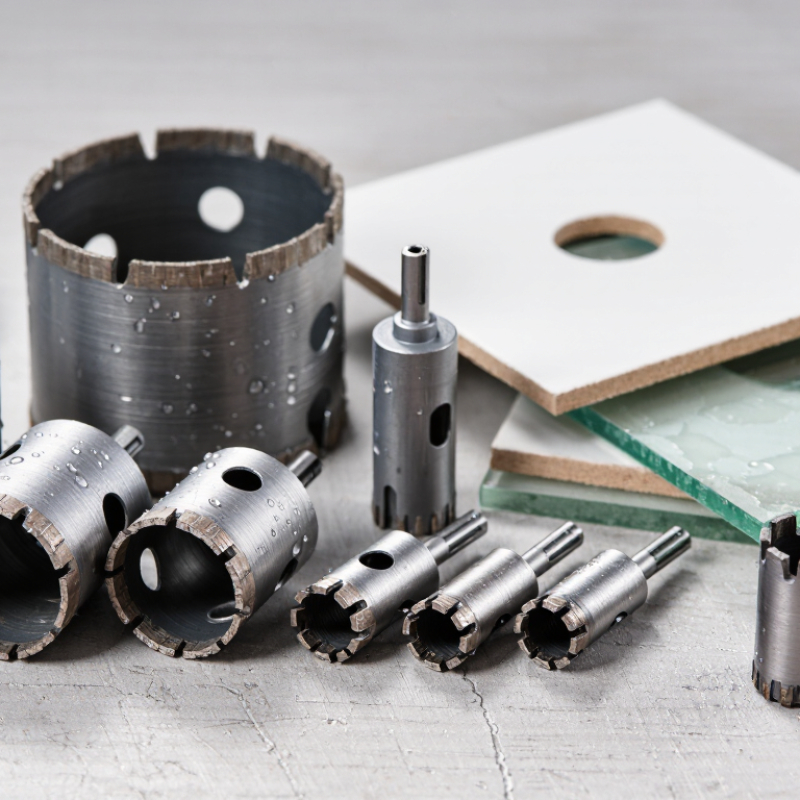
Diamond Hole Saws: Purpose and Compatibility with Tile and Glass
What Is the Best Diamond Hole Saw for Tile and Glass?
A diamond hole saw cuts circular openings through hard, brittle surfaces. It uses diamond particles instead of traditional cutting teeth. This design grinds material gradually, reducing chipping when used correctly. For ceramic tile, porcelain, and natural stone, choose a size matching the pipe, fitting, or anchor. A continuous diamond rim usually gives cleaner results on glass. The best choice depends on material hardness, hole diameter, and cutting method.
Tile and glass need different handling. Glazed tile can crack when pressure changes suddenly. Glass can overheat, chip, or break without steady cooling. Use water during cutting, unless the tool instructions prohibit it. Keep the drill at low speed, and avoid hammer mode. Begin with the saw slightly tilted, then slowly bring it upright. Small movements help the abrasive rim stay controlled.
I have found that patience matters more than force. A guide, template, or temporary support can prevent the saw from wandering. Wear eye protection and keep both hands stable. Tempered glass generally cannot be drilled after tempering, so confirm the glass type before cutting. This method is not foolproof. Even experienced users can misjudge pressure or cooling. A short pause may save the surface. A cracked tile is expensive feedback.
What Is the Best Diamond Hole Saw for Tile and Glass?
Diamond hole saws are suitable for glass, ceramic tile, and porcelain tile because diamond abrasive cuts hard, brittle surfaces with less chipping than toothed saws. The material’s typical Mohs hardness range helps indicate cutting difficulty.
Best general-purpose choice: a continuous-rim diamond hole saw. Use water cooling when drilling glass or tile, apply light pressure, and avoid hammer mode. Porcelain tile is generally the hardest of these materials and usually requires slower, more controlled drilling.
Key Features That Define the Best Diamond Hole Saw
The best diamond hole saw for tile and glass is defined by control, not glittering grit.
Synthetic diamond quality matters, because the USGS 2025 Mineral Commodity Summaries reports that synthetic material supplies most industrial diamond demand. Look for evenly distributed grit, a rigid steel body, and low runout. A 68 mm cutter should stay steady against porcelain, rather than scrape an expanding circle. Brazed or electroplated diamond edges often cut aggressively, but their service life can vary with pressure and cooling. That trade-off deserves attention.
Water delivery is another key feature. OSHA limits respirable crystalline silica exposure to 50 micrograms per cubic meter over an eight-hour shift. Wet cutting helps control dust and cools the working edge. Keep the surface damp, not flooded. For glass, choose a fine, continuous diamond rim and use light pressure. No hammer action. A compatible guide or template can prevent the cutter from skating across a smooth surface. I have found that starting at a slight angle creates control, then leveling the saw slowly. It is slower, but chipped edges are expensive. Check the arbor size, wall thickness, and usable cutting depth before drilling. A cheaper saw may cut one clean hole and fail on the next; published specifications rarely reveal that weakness. Regularly clear the core, inspect exposed diamond, and stop when vibration increases. That small warning often arrives before visible cracking.
How to Choose the Right Size, Grit, and Cutting Design
Choosing the best diamond hole saw starts with accurate sizing. Measure the pipe, fitting, or cable sleeve twice. Measure twice.
Select a diameter slightly wider than the item passing through the hole. A tight opening can cause pressure cracks during installation. For thin tile, a smaller diameter and steady control usually work better. Glass is less forgiving. Choose a fine diamond grit when a cleaner edge matters. Coarser grit cuts faster, but it may leave more chips around the rim. Fine grit often requires more patience and water.
Cutting design also affects the result. A continuous diamond rim supports smoother cutting on glass and glazed tile. Segmented rims can remove material quickly, though their gaps may increase edge chipping. Vacuum-brazed designs often hold abrasive particles firmly for repeated work. Electroplated designs can cut cleanly but may wear sooner on hard surfaces. Check whether the saw is rated for wet or dry use. Do not assume one method fits every material.
In my own workshop experience, excessive pressure causes more failures than blunt grit. Keep the saw level, start slowly, and use a guide when possible. Begin at a slight angle, then straighten the tool after a shallow groove forms. Slow pressure works. Water reduces heat and dust, but too much water can obscure the cutting line. I once chose a faster rim for a delicate glass panel and regretted it. The hole survived; the surrounding chips did not. Wear eye protection, support the tile fully, and test on a scrap piece when the material is unfamiliar.
Step-by-Step Guide to Drilling Tile and Glass Safely
What Is the Best Diamond Hole Saw for Tile and Glass?
The best diamond hole saw matches the material, hole size, and cutting depth. For ceramic or porcelain tile, choose a continuous diamond rim with a sturdy body. Glass needs a fine, controlled cutting edge and steady cooling. Never drill tempered glass, because it can break suddenly into small pieces.
Mark the hole with painter’s tape and confirm that no pipes or wires are behind the surface. Secure loose tile on a firm, padded workbench. Wear eye protection, keep both hands stable, and disconnect power before adjusting the tool. Water reduces heat and dust, but keep electrical connections completely dry. A spray bottle or damp sponge can help maintain cooling.
Start at a slight angle, then slowly level the hole saw after it creates a shallow groove. Use low speed and gentle pressure; forcing the cut can crack tile or chip glass. Pause often and check the rim for overheating. Support the exit side with scrap wood when possible. For wall tile, a simple guide block can prevent wandering.
Test on a leftover piece first. I still find that rushing the first few seconds causes most mistakes. Do not use hammer action. Stop if the material flexes, produces sudden cracks, or becomes too hot to touch. Smooth the hole edge with a suitable abrasive pad, then clean the surface before fitting the fixture.
Maintenance, Common Mistakes, and Tool Longevity
For tile and glass, the best diamond hole saw has a continuous cutting rim and controlled diamond exposure. It should match the material, diameter, and drill speed. A quality tool still fails quickly when friction overheats the rim. Keep it cool.
Water is essential for most ceramic, porcelain, and glass drilling. It lowers heat, clears abrasive dust, and helps prevent edge chipping. OSHA’s Respirable Crystalline Silica standard sets an eight-hour exposure limit at 50 micrograms per cubic meter. Dry cutting can exceed safe levels rapidly, especially indoors. Use wet drilling, ventilation, and suitable respiratory controls where required. Never force the tool. Gentle pressure lets the diamonds cut instead of polish. That difference matters.
Maintenance begins after every hole. Rinse the rim, remove slurry, and inspect missing segments or uneven wear. Let the saw dry before storage. A damp tool can corrode its arbor. Avoid dropping it onto concrete. Tiny impacts may distort the rim and create visible cracks later. The Tile Council of North America recommends following the saw maker’s cooling and speed guidance for each tile type. That advice is often ignored. I have also seen operators continue after the diamonds stopped cutting, adding pressure and heat. Dressing the exposed rim with a suitable abrasive block can restore cutting action, but it cannot repair a cracked or warped tool. Replace it when vibration, glazing, or chipped segments appear. Short pauses help, too. Damage is rarely dramatic at first.