10 Best Frame Hydraulic Presses to Buy in 2026?
A frame hydraulic press can make demanding workshop jobs more controlled, from pressing bearings to straightening sturdy components. But choosing one is not just a matter of picking the highest tonnage. Frame design, working width, stroke, and daylight affect what can fit and how safely it can be positioned. A press that looks impressive online may feel awkward beside a crowded workbench. Small details matter.
This guide to the 10 best frame hydraulic presses to buy in 2026 compares practical features, stated capacities, adjustment options, and intended uses. It also considers build quality and the clarity of manufacturer documentation, rather than treating a product listing as proof of performance. Buyers should confirm current specifications, warranty terms, and parts support before ordering, since models and availability can change. No ranking fits every shop. A compact press may suit occasional repair work, while frequent, heavier tasks can call for a more robust frame and greater working space. Even a well-reviewed machine may not match your setup. Check the measurements against your actual parts, and leave room to work around the press. This overview aims to make that comparison easier, while recognizing that the final choice depends on your workload, workspace, and budget.
What a Frame Hydraulic Press Is and How It Works
What a Frame Hydraulic Press Is and How It Works
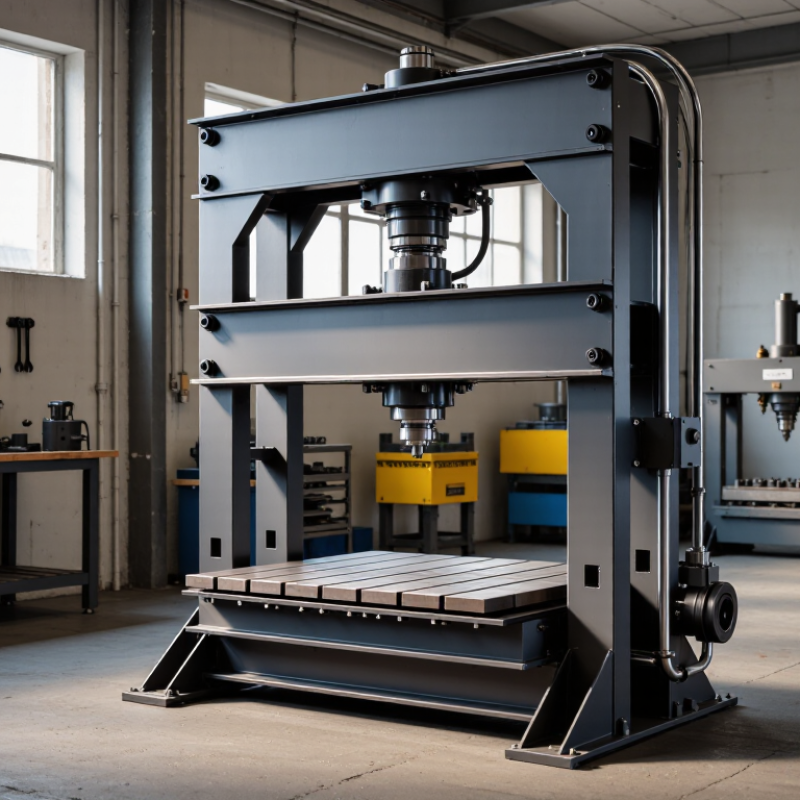
A frame hydraulic press uses a rigid steel structure to support a cylinder, moving ram, and work bed. Hydraulic oil carries pressure from a pump to a piston inside the cylinder. The piston moves the ram, applying force to a part held beneath it. A control valve starts, stops, or releases that movement. Simple in principle.
The frame helps resist bending as the press loads a workpiece. C-frame designs allow access from several sides; H-frame designs typically offer a centered work area with support on both sides. Presses may be used for straightening, bearing installation, forming, or assembly. Ram alignment, tooling, and bed stability affect results, sometimes more than expected. A rated tonnage is not a promise of equal force at every point; setup matters.
Tips: Check press capacity, working height, and bed size against the job. Keep hands clear of the ram, use suitable tooling, and follow the operating manual. If the frame or workpiece shifts, stop and reassess rather than pressing harder.
How the 10 Best Frame Hydraulic Presses of 2026 Were Selected
The 10 presses were assessed against the jobs people actually need them to do, from pressing bearings to straightening small components. Published specifications and user manuals provided the starting point; available hands-on observations helped check practical details. Capacity alone was not enough. A press also needed a stable frame, useful working clearance, and a bed that could be adjusted without awkward handling.
We compared frame construction, ram travel, pressure-gauge readability, and how smoothly the ram returned. Small details matter. A hard-to-read gauge or a bed pin that catches can slow routine work. We also considered setup requirements, included accessories, warranty information, and whether maintenance guidance was clear. Ratings were weighed against likely use: a compact workshop press and a high-capacity shop model should not be judged by identical expectations.
Claims were checked across product documentation and other available sources, with unclear or missing specifications treated cautiously rather than assumed favorable. Safety features and clear operating instructions carried real weight. Still, comparisons are imperfect; published test conditions are not always consistent, and real workloads vary. A press that suits occasional repairs may feel limiting under daily use. The final selections therefore reflect practical balance, not a universal ranking.
The 10 Best Frame Hydraulic Presses to Buy in 2026
The 10 Best Frame Hydraulic Presses to Buy in 2026
A useful 2026 shortlist should match the press to the work, not just its advertised tonnage. Options worth comparing include compact benchtop H-frames, manual shop presses, adjustable-bed models, powered H-frames, four-post presses, C-frame presses, deep-throat designs, mobile units, high-capacity floor presses, and models with clear pressure gauges. Each suits different part sizes and workloads. A compact press can handle small assemblies, while a four-post frame offers better access around larger workpieces.
Check the rated capacity, working width, daylight, stroke, and bed adjustment before buying. The frame should feel stable under load, and the gauge should be easy to read from the operator’s position. Useful details matter: pin holes that align cleanly, a bed that moves without binding, and a ram that returns smoothly. Small annoyances add up. I would also look for clear operating instructions and readily available replacement seals.
“Best” is task-dependent. A manual unit may be sensible for occasional pressing, while repeated jobs can justify powered operation. Don’t assume maximum tonnage is always an advantage; the workpiece, tooling, and frame must all suit the force applied. One honest limitation: product specifications rarely reveal how a press feels after months of use. Check warranty terms and service support, and inspect the frame and hydraulic lines before putting any new press to work.
Key Features to Compare Before Choosing a Press
For the 10 best frame hydraulic presses to buy in 2026, compare working capacity, frame stiffness, and usable space—not just maximum tonnage. A press rated at 50 tons may deliver that force only near the end of its stroke. Check the force curve, stroke length, daylight, and bed dimensions against your actual parts. A wide frame can help with awkward assemblies, but it still needs adequate rigidity to limit deflection under load.
Look closely at repeatability and safeguards. Ask for documented pressure accuracy, cycle controls, and maintenance intervals. ISO 4413 covers general safety requirements for hydraulic systems, including pressure-related risks. The U.S. Bureau of Labor Statistics reported 2.6 million nonfatal workplace injuries and illnesses in private industry in 2023. That broad figure is not press-specific, but it reinforces why guarding and safe controls deserve attention. Verify that the machine’s protective features suit your work, and have a qualified person assess the installation. Specifications alone may not reveal how a press behaves in daily use.
Tip: Measure your largest workpiece, then leave room for fixtures and loading. Ask the supplier to demonstrate a repeat cycle using a similar setup. Check service access, too; a hard-to-reach filter can turn routine maintenance into a chore. I would still question any claim of “high precision” without a stated tolerance.
10 Best Frame Hydraulic Presses to Buy in 2026? Key Features to Compare Before Choosing a Press
Compare rated pressing force in both US short tons-force and kilonewtons when evaluating frame presses.
Reference conversions: 1 US short ton-force equals approximately 8.896 kN. Values are calculated capacity benchmarks, not specifications for particular presses. Choose a press based on the force and working dimensions required for your tasks.
How to Match a Frame Hydraulic Press to Your Needs
Match the frame to the workpiece, not just the advertised tonnage. A shop pressing small bushings needs a different setup from one straightening long steel sections. Check the rated force, bed width, throat depth, daylight, and stroke against your largest routine job. Leave room for tooling and safe hand clearance. Fit matters.
An open-sided C-frame offers easier access, but off-center loading can increase frame deflection. A straight-sided frame usually suits heavier, more evenly supported work. Review the manufacturer’s load limits and keep pressure centered where possible.
The U.S. Bureau of Labor Statistics reported 3.2 recordable injury and illness cases per 100 full-time workers in manufacturing in 2023. That figure is a reminder to weigh guarding, controls, and maintenance access alongside output.
A spec sheet can still mislead: confirm the press can hold its rated force at your actual working height, and ask how the frame behaves under the loads you expect.