Best Freight Shipping from China to Australia in 2026?
Shipping from China to Australia in 2026 will depend on more than the lowest quoted rate. A Shanghai-to-Sydney shipment may move by sea in a full container, share space in a consolidated load, or travel by air when time matters more than cost. Each option brings different transit times, handling steps, and cost risks. Freight China To Australia is not one standard service. The right choice depends on cargo dimensions, delivery deadlines, destination, and how much schedule uncertainty a business can accept.
Industry reports help explain why planning matters. UNCTAD’s Review of Maritime Transport 2024 reported that global maritime trade grew 2.4% in 2023, while its report projected 2.0% growth for 2024. These figures describe a changing market, not a promise of stable rates or transit times in 2026. Air freight has its own pressures: IATA reported that global air cargo demand, measured in cargo tonne-kilometres, rose 11.3% in 2024, while capacity increased 7.4%. That gap is useful context, but it does not predict a specific China–Australia quote. Small details matter. A pallet’s height, a missed cut-off, or delivery to a regional address can change the plan. It sounds straightforward. It often isn’t. This guide compares sea and air options, explains the factors behind pricing and timing, and outlines practical questions to ask freight providers. No route estimate should be treated as fixed; request current, itemised quotes and verify the schedule before booking.
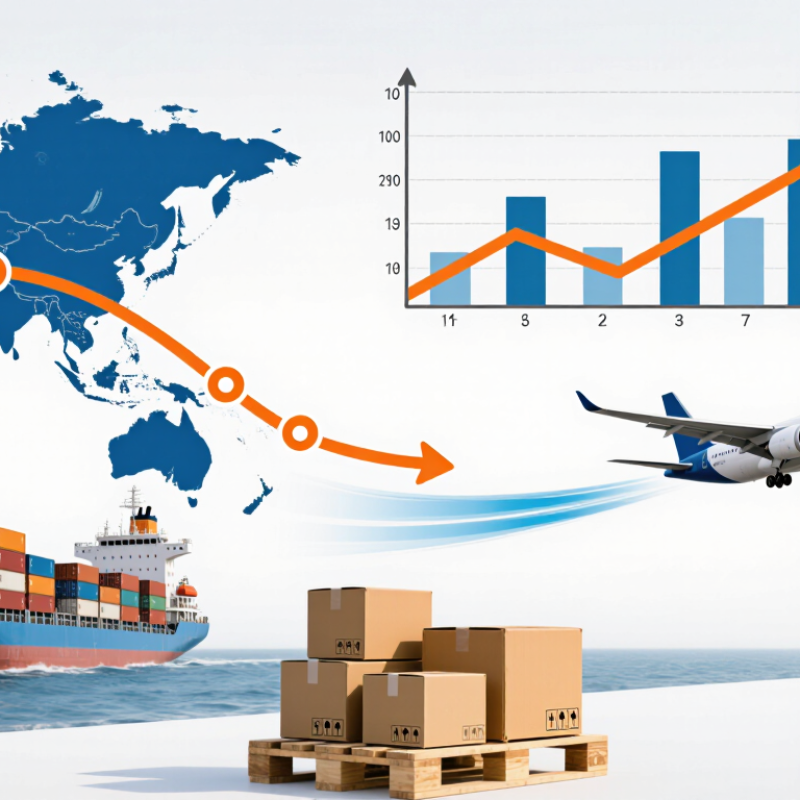
Freight Shipping Options from China to Australia in 2026
Freight Shipping Options from China to Australia in 2026
Choosing a shipping method starts with the cargo, delivery deadline, and budget. Ocean freight suits larger shipments that can tolerate longer transit times. Full container load gives one shipment dedicated container space, while less-than-container load shares space with other cargo. A few pallets may fit the shared option, but handling and consolidation can add time. That matters.
Air freight is worth considering for urgent, compact goods or shipments where delays would be costly. It is generally more expensive than ocean freight, and charges may depend on dimensional weight, not just scale weight. Measure cartons carefully. For smaller parcels, express courier services can simplify pickup and delivery, though they may not suit bulky freight.
Some shipments combine transport modes or include door-to-door service, covering collection, international carriage, and final delivery. Compare quotes by checking what each includes: origin handling, destination charges, customs clearance, and delivery to the exact address. Australian biosecurity requirements can affect packaging and inspection, so provide accurate cargo descriptions and keep wood packaging details available. Requirements and schedules can change. Even a careful estimate can miss port congestion, space shortages, or extra handling. Ask for a current routing and written cost breakdown before booking.
How Sea, Air, and Rail Freight Compare
For most China–Australia shipments, sea freight offers the lowest cost per unit, especially for palletized goods or a full container. Transit commonly takes several weeks, with timing affected by port schedules, weather, and clearance. A shipment leaving Shanghai may reach an Australian port before local delivery begins. Allow time for that final truck leg.
Air freight suits urgent, compact cargo, such as replacement parts needed to keep a production line running. It can arrive in days, but charges are based on weight or volume, whichever is greater. A light carton of bulky packaging can cost more than expected. Check the chargeable weight and delivery scope before comparing quotes.
Rail needs a careful explanation. There is no direct rail route across the sea between China and Australia. Rail can move freight within China to a departure port, where it continues by ship; this may help inland exporters, but does not guarantee a faster journey. I would compare the whole route, not just the rail segment. Port handling, transfer time, and Australian delivery can change the result. Small details matter. A quoted transit time may exclude them.
Best Freight Shipping from China to Australia in 2026?
Estimated typical end-to-end transit time by shipping method
Typical transit windows: Air freight: 3–8 days · Sea freight: 20–35 days · Rail + sea: 22–38 days.
Bars show the midpoint of each estimated range. Rail is not a direct China–Australia route: rail can move cargo within China to a seaport, but the shipment still travels by sea to Australia. Actual transit times vary by route, service, customs, and final delivery location.
Key Factors for Choosing a Shipping Method
Best Freight Shipping from China to Australia in 2026?
Key Factors for Choosing a Shipping Method
Choosing freight from China to Australia starts with the cargo, not the cheapest headline rate. A few cartons of samples may justify air freight; palletised stock often suits sea freight better when delivery dates allow. Time matters. Compare door-to-door costs, not just port-to-port quotes. Ask whether pickup, export handling, Australian port charges, customs clearance, and final delivery are included.
UNCTAD’s Review of Maritime Transport 2024 reports that shipping carries over 80% of global merchandise trade by volume, showing why sea freight is central to international supply chains. But that figure does not tell you which mode fits your order. Air freight can reduce transit time, but its price and chargeable weight can make bulky goods costly. Sea freight may lower the cost per unit, though port handling and schedule changes can affect the final delivery date.
Check the details. The World Bank’s 2023 Logistics Performance Index compares customs, infrastructure, shipment arrangements, logistics competence, tracking, and timeliness. Use it as context, not a promise about one specific China–Australia route. For a real decision, compare current quotes against your cargo’s dimensions, delivery deadline, and receiving warehouse hours. I’d also leave a buffer: a neat spreadsheet rarely captures every delay.
Best Freight Shipping from China to Australia in 2026? — Key Factors for Choosing a Shipping Method
Planning note: Transit times are indicative estimates, not guaranteed delivery dates, and can vary by route, season, carrier schedule, and customs processing. They generally exclude inland transport and any delays from inspections or documentation issues. Australian imports may be subject to customs duties, GST, and biosecurity requirements; confirm the applicable rules for the goods before shipping.
Australian Customs, Duties, and Import Requirements
For China–Australia freight in 2026, customs costs depend on the product’s tariff classification, customs value, and origin—not just its invoice price. Australian Border Force guidance says imported goods valued above A$1,000 generally require an Import Declaration. GST is usually 10% of the taxable importation value, which can include customs value, duty, and international freight and insurance. Duty rates vary. Preferential rates may apply when goods meet the relevant origin rules and the importer holds suitable evidence.
Keep the commercial invoice, packing list, transport document, and origin records consistent. A small mismatch in product descriptions or values can trigger questions and delay release. The World Bank’s Logistics Performance Index 2023 gave Australia an overall score of 3.6 out of 5; that is a broad logistics measure, not a promise of clearance speed. Check the current tariff and declaration requirements before shipment, since classification mistakes are easy to make. The less obvious point: a low freight quote does not reveal the full landed cost. Customs duty, GST, declaration charges, and storage after a hold can change the final bill.
How to Select a Freight Forwarder and Estimate Costs
Best Freight Shipping from China to Australia in 2026?
Choosing a freight forwarder starts with clear shipment details: cargo dimensions, gross weight, pickup city, delivery postcode, and preferred timing. Ask whether the quote covers collection, export handling, ocean or air freight, destination charges, customs clearance, and final delivery. A low headline price may exclude several of these costs. Small print matters.
Estimate costs using the shipment’s chargeable weight or volume, depending on the transport mode. Also check fuel surcharges, port fees, insurance, and any warehouse or remote-area charges. Rates can change with capacity and seasonal demand, so request a current written quote rather than relying on an old estimate. Compare like with like. Transit times are estimates, not promises.
Tips: Send the same cargo details to each forwarder and ask for a line-by-line breakdown. Confirm who handles customs paperwork, how tracking works, and what steps apply if cargo is delayed or damaged. Keep records. A reliable provider should explain assumptions plainly and flag missing information before booking. One detail is easy to overlook: inaccurate dimensions can change the final bill, so measure packed cargo, not just the item.