Get A Free Quote

What Is the Best Road Bicycle to Buy in 2026?

Choosing the best Road Bicycle to buy in 2026 depends less on one winning model than on how and where you ride. A fast carbon race bike may feel lively on smooth roads, yet harsh on broken pavement. An endurance model often offers a taller front end, calmer handling, and room for wider tires. Those details matter on a long ride, especially when your hands grow tired or rain darkens the route. Small fit differences can outweigh impressive frame claims.

Cycling legend Eddy Merckx is often quoted as saying, “Ride as much or as little, as long or as short as you feel. But ride.” That advice keeps the purchase grounded: the right bike should suit the rides you will actually make. This guide will compare frame materials, gearing, fit, braking, tire clearance, and value, while separating useful specifications from sales language. It will also consider the costs beyond the frame, including pedals, basic maintenance, and a properly fitted helmet. A lighter bike can be appealing, but weight alone does not promise comfort or speed. I may still be giving specifications too much attention; real roads are less tidy than product charts. Use the recommendations as a starting point, then test ride whenever possible. A few minutes on a familiar road can reveal more than a polished brochure.
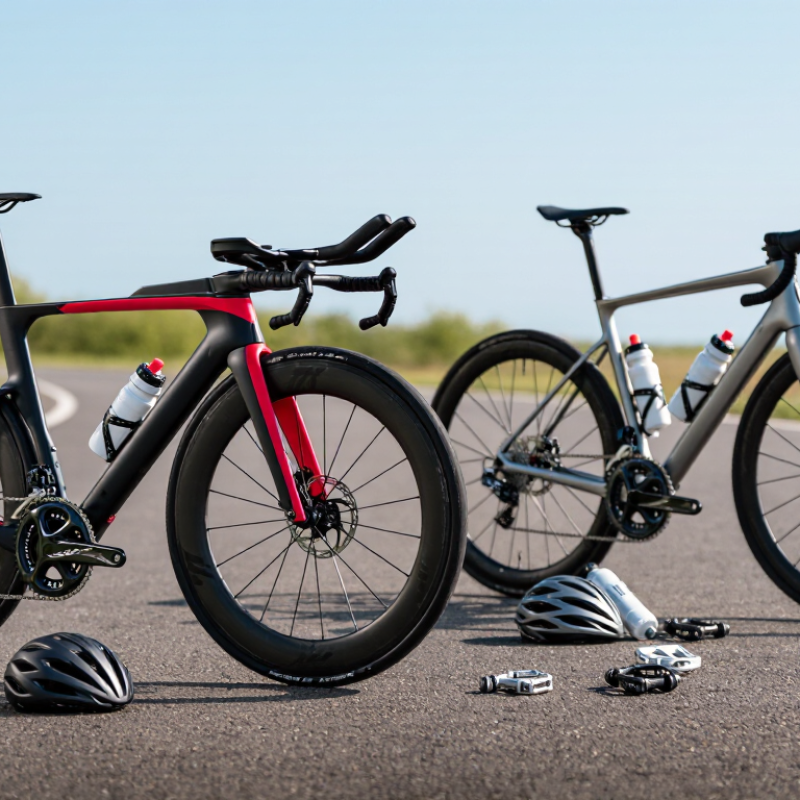
What Is the Best Road Bicycle to Buy in 2026?

Types of Road Bicycles Available in 2026

Road bicycles in 2026 generally fall into endurance, race, aero, and electric categories. Endurance models use a taller front end and calmer steering, which can feel kinder on long, rough roads. Race bikes put the rider lower and respond quickly when accelerating. Aero designs trade some comfort for reduced wind resistance, while electric road bikes add motor assistance for hills or longer commutes. Gravel bikes look similar, but wider tires and off-road gearing make them a separate choice.

PeopleForBikes’ 2024 U.S. Bicycle Participation Report counted 112 million people riding bicycles in 2023. That figure covers cycling broadly, not road-bike sales, so it cannot tell us which road style is most popular. Still, it shows why a single “best” type is unlikely to suit every rider. Fit matters more. On a test ride, notice whether your hands go numb, your shoulders tense, or the bike feels stable on a descent.

For fast group rides, a race or aero bike may make sense. For weekend miles on imperfect pavement, endurance geometry is often easier to live with. Electric assistance can help when steep climbs or fatigue limit your rides, though the added weight changes handling. I would not choose by category alone; tire clearance, fit, and gearing can matter more than the label. A short test ride may miss discomfort that appears after an hour.

How Riding Style Determines the Best Bike Category

What Is the Best Road Bicycle to Buy in 2026?

How Riding Style Determines the Best Bike Category

A bike’s category should match your usual roads, pace, and riding position—not a trend. PeopleForBikes’ 2023 U.S. Bicycling Participation Report estimated that 112 million Americans rode in 2022. Strava’s 2024 Year in Sport report recorded a 59% increase in club activities across its platform, not cycling alone. Together, the figures suggest varied riding habits, rather than one ideal setup. For long weekend routes and rough pavement, an endurance road bike’s taller front end and wider tire clearance can ease fatigue. For short, fast group rides, a race-oriented frame feels more direct, but its lower cockpit may strain stiff shoulders. Riders mixing pavement with packed gravel may prefer an all-road bike with suitable tire clearance.

Fit matters more than a category label. A professional bike fit can assess saddle height, reach, and handlebar drop. Test rides should include several minutes at your normal pace. Tiny details count. If you ride in rain or carry a repair kit, check braking feel, fender mounts, and gearing before prioritizing a lighter frame. Getting fit wrong is an expensive mistake.

Tips: Write down your three most common rides, including distance, surface, and typical speed. Test the likely category on familiar roads, then notice hand pressure and neck tension after an hour. Those impressions are imperfect, but useful.

Key Frame, Gear, and Brake Features to Compare

When comparing road bicycles in 2026, look at frame fit and geometry before chasing a low weight. Check reach, stack, and standover height against your body and usual routes. A frame that feels comfortable near the shop may feel cramped after two hours. Fit matters most. Aluminum can feel firm and responsive; carbon may soften road vibration, but frame design and construction matter more than the material name alone. Check tire clearance, fork alignment, and the frame’s stated limits.

Choose gearing for the hills you actually ride. A wide-range cassette and appropriately small climbing gear can make steep roads manageable, while tighter ratios may feel smoother on flat routes. Count the teeth or compare gear specifications rather than relying on vague labels. More gears do not automatically mean better shifting. Test the controls if possible; hand size and lever reach affect comfort, especially on long descents. This is easy to overlook.

Disc brakes are common on current road bikes, but compare rotor size, lever feel, and how easily the pads can be serviced. Hydraulic systems generally require less hand force; mechanical systems may be simpler to adjust at home. Neither choice is perfect. During a test ride, brake gently, then firmly, and listen for rubbing. Also inspect how the wheels attach and whether replacement parts are readily available. A small setup issue can become annoying quickly.

What Is the Best Road Bicycle to Buy in 2026? - Key Frame, Gear, and Brake Features to Compare

Road-Bike Type Frame and Riding Position Gearing to Compare Brake Features Typical Tire Clearance Best Suited To Main Trade-Off
Endurance road Often an aluminum or carbon-fiber frame with a more upright fit and a longer wheelbase than a race-focused design. A compact double crankset (commonly 50/34 teeth) paired with a wide-range cassette can provide easier climbing gears. Disc brakes are common; hydraulic systems generally require less hand effort than mechanical cable-operated disc brakes. Many designs accommodate tires around 28–35 mm; check the frame and fork specifications. Long rides, varied pavement, and riders who prioritize comfort and predictable handling. May feel less quick to accelerate or change direction than a bike with a race-oriented fit and geometry.
Race road Usually designed for a lower, more aerodynamic position and responsive handling; frames may be aluminum or carbon fiber. Often uses a double crankset, such as 52/36 teeth or 50/34 teeth, with cassette range chosen for the rider’s terrain. Disc brakes are widely used, while rim-brake designs may still be available. Compare modulation, maintenance, and wheel compatibility. Clearance varies by frame; many current designs fit road tires around 28–32 mm. Fast group rides, racing, and riders comfortable with a more aggressive position. The lower posture and firmer ride may be less comfortable for some riders on long or rough routes.
All-road Typically combines road-bike handling with a stable fit and frame details intended for a broader range of paved and rough-surface routes. A compact double or a single-chainring setup may be offered; a wider cassette helps on steep climbs and mixed terrain. Disc brakes are common and leave room for wider tires; hydraulic and mechanical versions differ in lever effort and service needs. Often around 32–40 mm, though exact clearance depends on the frame, fork, and wheel setup. Broken pavement, light gravel, commuting, and riders who want one bike for varied routes. Wider tires and more versatile geometry can add weight or feel less aerodynamic than a dedicated race bike.
Aero road Uses frame shapes and component integration intended to reduce aerodynamic drag; fit is often performance-oriented. Commonly equipped with a double crankset; choose chainring and cassette sizes based on climbing needs and riding speed. Disc brakes are common. Check rotor size, pad access, and whether the brake setup matches the intended riding conditions. Often designed for road tires around 28–32 mm, but manufacturer clearance limits differ. Fast, flatter rides and riders who value aerodynamic performance. Integrated parts can make adjustments and repairs more involved; aerodynamic shaping may add complexity or weight.
Entry-level road Aluminum frames are common; fit and component quality matter more than frame material alone when choosing a first bike. Look for a useful low climbing gear and a dependable range of ratios; a compact double is a versatile option for many riders. May have rim brakes or disc brakes. Compare stopping feel, replacement-part availability, and ease of adjustment. Commonly around 25–32 mm, with clearance varying substantially by model and brake design. New road cyclists, fitness riding, and riders seeking a practical bike for paved roads. Heavier wheels or lower-tier components may be used to meet a lower overall price; these can often be upgraded later.

Buying tip: Tire-clearance figures and component specifications vary by individual frame. Confirm the stated maximum tire size, account for rim and tire-width differences, and prioritize a correctly fitted bike over a particular frame material or gear count.

How to Assess Fit, Comfort, and Component Value

For a road bicycle in 2026, fit matters more than a lighter frame or extra gears. A professional fitting should check saddle height, reach, and handlebar width while you pedal, not only while standing still. Your elbows should stay softly bent, and your hands should reach the brake levers without your shoulders creeping toward your ears. A short test ride helps reveal pressure points, but a quick spin cannot predict every long-ride discomfort.

Comfort has practical value. PeopleForBikes’ 2024 U.S. Bicycling Participation Report says 112 million Americans rode a bicycle in 2023. More riding means more chances to notice small fit problems. Watch for numb hands, a sore neck, or knees that feel strained after steady riding. Don’t ignore them. Even a well-reviewed size chart can miss differences in torso length or flexibility. I would treat the first ride as a check, not a verdict.

Compare components by function and replacement cost. Reliable shifting, dependable braking, and wheels suited to your roads matter more than a top-tier groupset. Ask what the bicycle weighs with pedals and whether common replacement parts are easy to source. A mid-range drivetrain may leave room in your budget for a professional fit or wider tires. One caveat: wider tires only help if the frame has enough clearance. Small details count. A test ride over rough pavement can tell you more than a polished specification sheet.

How to Choose the Best Road Bicycle for Your Needs

What Is the Best Road Bicycle to Buy in 2026?
How to Choose the Best Road Bicycle for Your Needs

The best road bicycle is the one that fits your body, routes, and riding habits—not the one with the lightest frame. PeopleForBikes’ 2024 U.S. Bicycling Participation Report estimated that 112 million Americans rode a bicycle in 2023. That wide range of riders points to a simple truth: there is no single ideal setup. Fit comes first. A local professional can check reach, saddle height, and handlebar position; discomfort on a short test ride may grow over longer distances.

Consider where you actually ride. Smooth roads and fast group rides may suit a more responsive geometry, while rough pavement and long days often call for a steadier position and wider tire clearance. Check the gearing against your local climbs, too. Beginners may benefit from easier gears, even if they look less impressive on paper. Compare the total cost, including pedals, routine servicing, and suitable tires. I still think spec sheets can distract from the ride itself; it is easy to overvalue numbers.

Tips: Test-ride at least two frame sizes if possible. Bring your usual shoes, and ask about tire clearance. Don’t ignore hand pressure or knee discomfort; small fit issues matter.

What Is the Best Road Bicycle to Buy in 2026?

How to choose a road bike that fits your riding needs

How to use this chart: These are illustrative tire-width setups, not fixed category standards. A narrower setup can suit smooth, fast rides; wider tires can offer more comfort and grip on rough pavement. Check a bike’s stated tire clearance and consider your usual routes before buying.

Article Source:

crossmenu linkedin facebook pinterest youtube rss twitter instagram facebook-blank rss-blank linkedin-blank pinterest youtube twitter instagram