Get A Free Quote

2026 Best Sediment Filter for Whole House Water Filtration?

Choosing the 2026 best Sediment Filter for whole house water filtration requires more than comparing micron ratings. A filter that performs well in a city home may clog quickly on a private well. Sand, rust, silt, and construction debris behave differently inside a cartridge. The right choice depends on water quality, household demand, pipe size, and available maintenance time.

This guide examines practical performance rather than relying on polished product claims. It considers filtration accuracy, pressure loss, cartridge capacity, housing strength, replacement cost, and installation requirements. A clear housing can reveal a brown filter surface before water pressure drops. That small detail matters during busy mornings, when several taps or appliances operate together. We also discuss sediment pretesting, flow-rate measurements, and certification information that buyers should verify independently.

No single filter fits every property. That is the uncomfortable part. A finer cartridge may produce cleaner water but require frequent replacement. A larger filter may last longer while allowing smaller particles through. Product descriptions can also sound precise without explaining real household conditions. Therefore, the recommendations focus on evidence, transparent specifications, and realistic maintenance expectations. Readers should still test their water and confirm local plumbing requirements before installation. Reliable protection begins with knowing what enters the home.
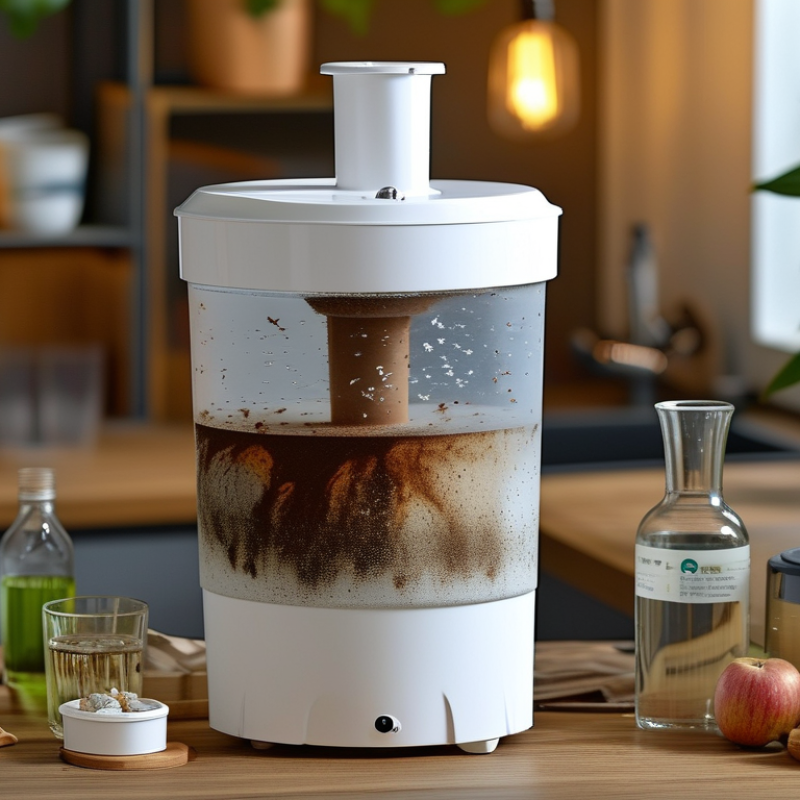
2026 Best Sediment Filter for Whole House Water Filtration?

What Is a Sediment Filter for Whole House Water Filtration?

2026 Best Sediment Filter for Whole House Water Filtration?

A sediment filter is the first protective barrier in many whole-house systems. It traps physical particles before water reaches faucets, showers, heaters, and appliances. Common contaminants include sand, rust flakes, silt, and pipe scale. These particles may appear as orange dust or a gritty layer inside a faucet aerator.

The best filter depends on your water source and sediment load. A cartridge rated at 5 microns catches finer particles than a 20-micron cartridge, but it may clog sooner. Well water often needs stronger prefiltration. Municipal water may require less capacity. A transparent housing can help you inspect color changes, although sunlight may encourage growth around poorly maintained equipment. Sediment filters do not reliably remove dissolved chemicals or microorganisms. That distinction matters.

Tips: Check your water report or arrange laboratory testing before selecting a filter. Measure pressure before and after installation. A sudden pressure drop often signals clogging. Replace cartridges according to pressure, condition, and manufacturer guidance, not only the calendar. Shut off water before servicing, and inspect O-rings for twisting or damage. Small leaks become expensive surprises. Avoid choosing the smallest micron rating automatically; finer filtration is not always better for the whole household. Local plumbing requirements may also affect installation, so confirm details with a qualified professional.

How Different Sediment Filter Types Capture Household Water Debris

Sediment filters do not capture household debris in the same way. A rusty flake, sand grain, and clay particle behave differently in water. That difference matters more than a low micron rating. Spin-down screens trap visible grit on a washable mesh. They suit well-water sand and pipe scale, but fine silt may pass through. Pleated cartridges catch particles mainly across their outer surface. They provide useful dirt-holding capacity and can sometimes be rinsed. Depth filters use layered fibers, trapping particles throughout the media. String-wound and melt-blown designs work well when water carries mixed, fine sediment. They clog gradually.

The World Health Organization’s Guidelines for Drinking-water Quality recommends keeping drinking-water turbidity below 1 NTU when possible. Fine particles can affect appearance and interfere with disinfection performance. NSF/ANSI 42 classifies particulate reduction by tested ranges, including approximately 0.5–1, 1–5, and 5–15 microns. These classifications describe verified performance, not universal results in every home. Pressure changes matter too. A cartridge can look clean while flow quietly weakens.

I would not call one filter universally best. Real houses are messier. A five-micron nominal filter may allow some smaller particles through, while an absolute-rated filter usually provides tighter control. However, tighter media can clog quickly after pipe repairs or heavy rain. Check the source water, debris size, pressure gauge, and replacement history. The EPA and professional water-treatment guidance both support testing source conditions before selecting treatment equipment. A transparent housing helps, but visual inspection is imperfect.

2026 Best Sediment Filter for Whole House Water Filtration? - How Different Sediment Filter Types Capture Household Water Debris

Filter Type How It Captures Debris Typical Particle Range Main Strengths Limitations Best Whole-House Use
Spin-Down Screen A reusable mesh screen physically separates larger particles while water passes through the screen. Approximately 50–200 microns, depending on the screen opening. Flushable, low pressure loss, transparent housings often make inspection easy, and it handles heavy sediment loads well. Does not remove fine silt, very small particles, dissolved contaminants, or microorganisms. A first-stage filter for well water, rainwater, or visibly sandy municipal supplies.
Pleated Surface Filter Sediment remains on the outer surface of folded synthetic or cellulose media; the pleats provide a larger filtration area. Common ratings include 1, 5, 10, 20, and 50 microns. Provides a large dirt-holding area, is available in washable and disposable versions, and usually offers predictable particle-size performance. The surface can clog quickly when sediment loads are high; disposable cartridges require replacement. General-purpose whole-house sediment control after a coarse prefilter.
Depth Filter Particles are trapped throughout the thickness of fibrous or porous media rather than only on its outer surface. Common nominal ratings range from about 1–50 microns. Good dirt-holding capacity and effective capture of mixed-size sediment, including fine particles. As the media loads, pressure drop increases; many cartridges are not washable or reusable. Homes needing stronger fine-sediment protection for faucets, valves, and appliances.
String-Wound Cartridge Wound fibers create progressively smaller pathways that capture sediment at multiple depths. Often available in approximately 1–50 micron ratings. Useful for sand, rust, scale fragments, and other suspended solids; economical for routine sediment filtration. Can clog faster with high sediment concentrations and may shed fibers if damaged or poorly manufactured. Cost-conscious systems with moderate sediment levels and regular cartridge maintenance.
Melt-Blown Polypropylene Thermally bonded fibers form a graded depth structure that traps particles through the cartridge. Common nominal ratings include 1, 5, 10, 20, and 50 microns. Suitable for suspended sediment, rust, and silt; polypropylene is generally resistant to many common chemicals. Usually disposable, and fine ratings can cause noticeable flow reduction when the cartridge becomes loaded. A common second-stage filter for municipal or well-water systems with fine suspended solids.
Ceramic Cartridge A porous ceramic surface mechanically blocks many particles and can be cleaned by carefully scrubbing the outer layer. Often rated around 0.5–1 micron, depending on design and certification. Fine physical filtration and, in certified products, potential reduction of certain bacteria and protozoa. Lower flow rates, sensitivity to cracking or impact, and limited suitability for heavy sediment loads. Specialized point-of-entry applications where fine filtration is needed and flow demand is moderate.
Automatic Backwashing Media Filter A granular bed retains suspended solids; a programmed reverse-flow cycle lifts and flushes accumulated sediment to drain. Performance varies by media, flow rate, and installation; commonly targets coarse to moderate suspended sediment. Handles high sediment capacity, reduces frequent cartridge changes, and can clean itself automatically. Requires drain access, adequate backwash flow, installation space, and periodic media service. Large homes or high-demand properties with substantial, recurring sediment loads.
Magnetic or Centrifugal Separator Uses magnetic attraction or centrifugal force to separate selected metal particles or heavier solids from the water stream. Typically most effective for relatively coarse particles; exact performance depends strongly on design and flow conditions. Can reduce heavy rust or sand before finer cartridge filtration and may be easy to clean. Not a complete sediment solution; generally ineffective for fine silt, dissolved iron, chemicals, or microorganisms. A supplementary prefilter rather than a stand-alone whole-house sediment filter.
Selection note: For most homes, a coarse flushable prefilter followed by a properly sized pleated or depth cartridge offers a practical balance of sediment capacity, flow, and maintenance. Micron ratings are not directly comparable unless the manufacturer states whether the rating is nominal or absolute. Sediment filters do not remove dissolved chemicals, hardness, or microorganisms unless the specific product is independently certified for those purposes.

Which Filter Specifications Matter Most for 2026 Applications?

In 2026, the best sediment filter depends on water conditions, household demand, and maintenance habits. Specification matters more than appearance. Start with the micron rating. A 5-micron filter can capture fine particles, but “nominal” and “absolute” ratings are not equivalent. Absolute ratings usually provide more predictable particle removal.

Flow capacity is equally important. A filter that restricts water may cause weak showers and slow appliance filling. Check the required flow rate during simultaneous use, then compare it with the filter’s rated capacity. Pressure-drop data is useful, but often overlooked. I prefer a housing with pressure gauges before and after the cartridge. The difference reveals clogging earlier than visual inspection.

Dirt-holding capacity affects replacement frequency. Pleated cartridges often offer more surface area, while depth media can trap particles through several layers. Neither option is automatically better. Well water may need a sturdier design than treated municipal water. Test turbidity, visible grit, and seasonal changes before selecting a cartridge. Real water is inconsistent.

For drinking-water applications, choose materials tested for potable contact and review relevant safety certifications. Sediment filters do not remove dissolved salts, bacteria, or chemicals. That limitation matters. A common mistake is selecting an extremely fine filter without checking pressure loss. I have seen a clean cartridge perform poorly because the housing was undersized. Leave space for maintenance, record installation dates, and inspect the cartridge sooner after storms or plumbing work.

2026 Best Sediment Filter for Whole House Water Filtration?

Which filter specifications matter most for whole-house applications?

Micron Rating

Lower micron ratings capture smaller particles, but they can clog faster and may reduce flow.

Nominal vs. Absolute

Nominal ratings indicate approximate particle reduction, while absolute ratings provide a tighter maximum-particle specification.

Flow and Pressure Drop

Select a filter with a rated flow suitable for peak household demand and monitor pressure loss as the cartridge loads.

Service Capacity

Larger cartridges generally provide more media area and longer service life before replacement is needed.

The chart shows common sediment-filter rating options, not a guarantee of removal performance. Actual results depend on filter media, water quality, flow rate, pressure, and whether the rating is nominal or absolute.

How to Choose a Sediment Filter for Your Home’s Water Conditions

2026 Best Sediment Filter for Whole House Water Filtration?

How to Choose a Sediment Filter for Your Home’s Water Conditions

The best sediment filter depends on what enters your home, not on a universal “finest” rating. Municipal water may carry pipe rust, sand, or construction debris. Well water often contains grit, clay, and suspended minerals. A laboratory water test gives better guidance than judging water by appearance alone. A clear glass can still hide fine particles.

Choose a filter rating that matches the sediment size and your household’s flow demand. A coarse prefilter can protect pumps and appliances while reducing pressure loss. A finer cartridge may improve clarity, but it can clog quickly in heavily contaminated water. Check the housing size, service flow rate, pressure range, and replacement schedule. Small details matter when several showers run together. In practice, many homeowners choose the finest filter available, then blame the system for weak water pressure. That choice is understandable, but often inefficient.

Tips: Inspect the old cartridge after two weeks. Rust-colored staining suggests iron-related debris, while a muddy coating may indicate clay or soil. Consider a washable prefilter for large particles before a finer cartridge. Keep a pressure gauge before and after the filter; a growing pressure difference shows clogging. Do not ignore seasonal changes, especially with private wells. Water conditions can shift after heavy rain, and one test may not represent the whole year. Replace cartridges by condition, not only by calendar date, while following the filter manufacturer’s specifications.

How to Install, Maintain, and Replace a Whole House Sediment Filter

2026 Best Sediment Filter for Whole House Water Filtration?

How to Install, Maintain, and Replace a Whole House Sediment Filter

A whole-house sediment filter captures sand, rust, and pipe debris before water reaches your fixtures. The best filter depends on water quality, household demand, and the system’s flow rating. Before installation, shut off the main water valve. Open a nearby faucet to release pressure. Cut the pipe carefully and install the housing in the correct water-flow direction. Leave enough space below it for cartridge removal. I once underestimated this clearance. It made later servicing unnecessarily awkward.

Check the O-ring before tightening the housing. A thin layer of approved silicone lubricant can help create a reliable seal. Avoid over-tightening, which may damage the housing or threads. After opening the valve slowly, inspect every connection with a dry paper towel. Even a small damp mark deserves attention. During maintenance, record water pressure, cartridge type, and installation date. Replace the filter when water flow drops, the cartridge looks heavily coated, or unpleasant sediment returns.

Tips: Keep a spare cartridge sealed and stored in a clean, dry cabinet. Wash your hands before handling replacement media. Use the housing wrench supplied with the unit, not metal pliers. If the filter blocks quickly, test the incoming water and inspect for unusual pipe corrosion. Replacement intervals vary widely; monthly checks are wiser than trusting a fixed schedule. Do not ignore cloudy water after service. Flush the line until it runs clear.

crossmenu linkedin facebook pinterest youtube rss twitter instagram facebook-blank rss-blank linkedin-blank pinterest youtube twitter instagram