Get A Free Quote

10 Best Venous Ulcer Dressings for Buyers?

Choosing a dressing for Venous Ulcers is not just a search for the most absorbent product. These wounds often appear around the lower leg or ankle, where swelling, fragile skin, and persistent drainage can complicate everyday care. A dressing that works well for one person may be uncomfortable or impractical for another.

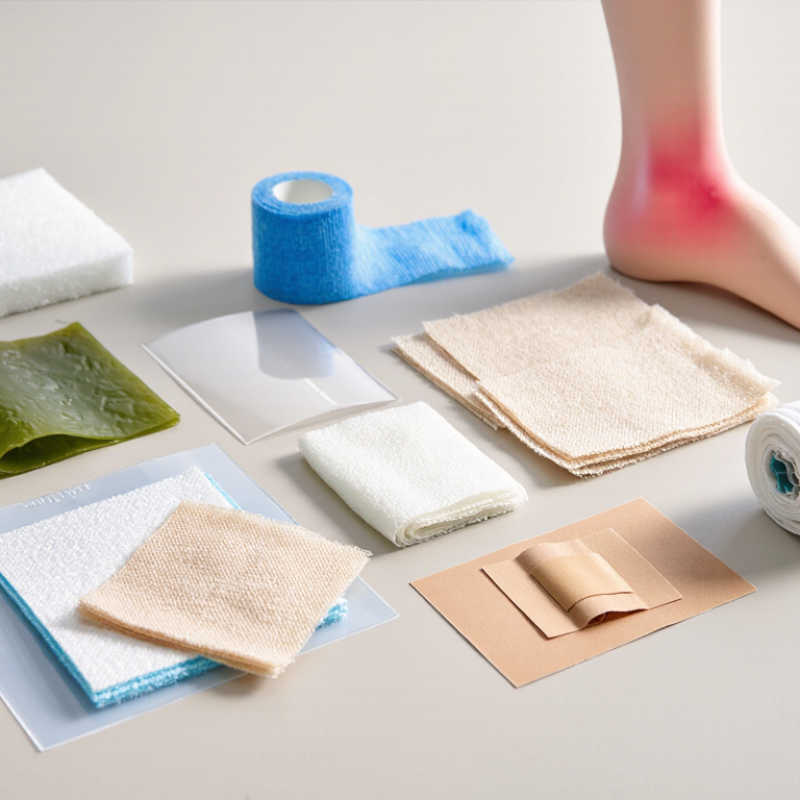
This guide compares ten commonly considered dressing options, including foams, alginates, hydrofiber materials, and products with contact layers. It looks at how they manage fluid, protect the wound surface, and fit routine changes. A damp dressing at the end of the day tells part of the story. So does soreness when it is removed. Small details matter.

No dressing fits all.

Buyers should also consider cost per change, package size, ease of application, and whether the product suits the wound’s drainage level. The surrounding skin deserves attention too; adhesive edges can be troublesome when skin is thin or irritated. Compression is often part of venous ulcer care, but it should be selected and monitored by a qualified clinician. Dressings do not replace an assessment of circulation, infection, or the cause of the wound.

Product rankings can make a complicated choice look cleaner than it is. They may not reflect every clinic’s experience, and product availability varies. Use this comparison as a practical starting point, not a personal treatment plan. A clinician can help match a dressing to the wound and review changes that are slow, painful, or unexpected.
10 Best Venous Ulcer Dressings for Buyers?

What Venous Ulcers Are and How Dressings Support Healing

Venous ulcers are open wounds, usually found near the inner ankle, where damaged leg veins allow blood to pool. The surrounding skin may look brown, dry, or swollen. Fluid can seep from the wound and soak a sock or bandage. These ulcers often develop gradually, and healing may take weeks or months. It is frustratingly slow.

Dressings help manage moisture, protect fragile tissue, and absorb drainage. A wound that is too wet can soften at its edges; one that dries out may crack and hurt. Foam dressings can absorb moderate drainage, while other materials may suit heavier fluid or a tender wound. The right choice depends on the wound’s size, depth, drainage, and surrounding skin—not just the label on the package.

A dressing alone does not correct the underlying vein problem. Clinicians commonly assess circulation and may recommend compression when it is safe and appropriate. They also check for infection, which can involve increasing pain, spreading redness, warmth, or fever. Care plans need adjustment as a wound changes. Even careful dressing changes can irritate delicate skin, so the response should be monitored rather than assumed. A wound-care professional can guide product selection and follow-up, especially when healing stalls or symptoms worsen.

Key Factors to Compare When Buying Venous Ulcer Dressings

When comparing venous ulcer dressings, start with the wound, not the product label. Note its size, depth, surrounding skin, and drainage. A heavily exuding ulcer may need greater absorption; a drier wound may benefit from a dressing that helps maintain moisture. Check whether the material can stay in place under compression, and whether removal risks damaging fragile skin. Comfort matters. So does the time and cost of each change.

Evidence offers a useful caution. A 2018 Cochrane review examined 78 randomized trials involving 7,014 people with venous leg ulcers, but found uncertainty about which dressing types best improve healing. The European Society for Vascular Surgery’s 2022 guidelines emphasize compression therapy for active venous leg ulcers, when clinically appropriate. That makes dressing choice one part of care, not a substitute for compression or assessment. Compare wear time, leakage risk, ease of application, and skin reactions across real dressing changes. Reassess as drainage shifts. There may be no perfect option; even a convenient dressing can fail when it slips beneath a bandage or irritates the wound edge.

10 Common Venous Ulcer Dressing Types and Their Uses

10 Common Venous Ulcer Dressing Types and Their Uses

Choosing a venous ulcer dressing starts with the wound, not the product label.

A 2018 Cochrane review examined 78 trials involving 7,014 participants. It found no reliable evidence that one dressing type consistently heals ulcers better than another when compression is used. The evidence was often uncertain. Fit matters.

Alginate and hydrofiber dressings absorb moderate-to-heavy drainage; foam adds cushioning, while superabsorbent pads suit very wet wounds.

Hydrocolloids cover shallow wounds with lighter drainage. Hydrogels donate moisture to dry or sloughy tissue. A non-adherent contact layer helps protect fragile new tissue during changes.

Collagen dressings may be considered for selected slow-healing wounds, though they are not a substitute for addressing poor circulation or compression needs. Silver or iodine dressings may be used briefly when clinical assessment indicates a local infection concern, not automatically for every ulcer.

NICE guideline NG152 advises offering compression therapy for venous leg ulcers, with assessment to ensure it is appropriate. Dressings support moisture balance and protect the wound; they do not correct venous pressure.

A nurse may choose a more absorbent layer after seeing leakage around the ankle, then reassess the skin and wound. Small details matter.

Drainage, pain, fragile surrounding skin, and comfort can change the choice. Even a neat dressing chart can miss how the patient tolerates daily wear.

How to Match a Dressing to Wound Needs

Choosing a venous ulcer dressing starts with the wound, not the product label. Check the ulcer’s size, depth, drainage, surrounding skin, pain, and signs of infection. A heavily draining wound may need an absorbent foam or alginate; a dry wound often needs moisture support instead. Protect fragile edges with a gentle contact layer. Small details matter.

Compression is central to venous ulcer care, but clinicians should assess circulation before applying it. The Cochrane review of dressings and topical agents included 78 trials and 7,014 participants. It found no reliable evidence that one dressing type heals ulcers better than another when used with compression. The evidence was often uncertain. That is worth remembering when comparing claims. Match the dressing to exudate and comfort, then reassess if leakage, maceration, or pain develops. Persistent odor, increasing warmth, spreading redness, or worsening pain needs clinical review, not just a dressing change.

For buyers, look for clear information on absorbency, wear time, removal comfort, and suitability under compression. A dressing that stays in place through a work shift can help, but longer wear is not always better. Check the wound regularly, document changes, and adapt the plan with a qualified clinician. Real wounds rarely follow a neat product chart.

10 Best Venous Ulcer Dressings for Buyers? - How to Match a Dressing to Wound Needs

A practical comparison of common dressing categories. Dressing choice depends on wound assessment, exudate, surrounding skin, patient comfort, and the compression plan.

Dressing type Often suited to How it supports wound care Buyer considerations Change guidance
1. Foam dressing Low-to-moderate or moderate exudate; wounds needing cushioning. Absorbs fluid and helps protect the wound from friction and minor impact. Check whether an adhesive border may irritate fragile or periwound skin. Some foams need a secondary fixation layer. Change when saturated, leaking, soiled, or as directed by the product instructions and care plan.
2. Alginate dressing Moderate-to-heavy exudate, including some cavity wounds. Forms a gel as it absorbs wound fluid, helping manage exudate. Generally needs a secondary dressing. Not usually appropriate for a dry wound; avoid packing cavities tightly. Reassess at dressing changes; replace when the dressing is saturated or according to its instructions.
3. Hydrofiber dressing Moderate-to-heavy exudate, including wounds where fluid control is a priority. Absorbs exudate and forms a cohesive gel, which can help limit lateral fluid spread. May require a secondary cover. Choose a size that covers the wound without overlapping excessively onto intact skin. Change based on exudate, leakage, and product guidance; remove gently if the gel adheres as the wound dries.
4. Superabsorbent dressing Heavy or persistent exudate that may overwhelm a standard absorbent dressing. Provides high fluid-handling capacity and can help reduce strike-through and skin exposure to exudate. Often bulkier; confirm that it fits beneath the planned compression system and does not impair comfort or mobility. Replace before fluid reaches the edges or leaks; follow the product instructions and reassess exudate trends.
5. Non-adherent contact layer Fragile granulation tissue or wounds where minimizing trauma during removal matters. Provides a low-adherence interface while allowing wound fluid to pass to an absorbent secondary dressing. Usually does not absorb much fluid by itself; pair with an appropriate secondary dressing and fixation. Change according to the product instructions and the condition of the secondary dressing; avoid disturbing the wound unnecessarily.
6. Hydrocolloid dressing Selected shallow wounds with low-to-moderate exudate and no need for frequent inspection. Maintains a moist wound environment and provides a protective cover. May be unsuitable for heavily exuding wounds or when infection is suspected. Adhesive removal can affect fragile surrounding skin. Check for leakage, edge lift, and skin changes; follow the product’s wear-time guidance.
7. Hydrogel dressing Dry or minimally exuding wounds where additional moisture may be appropriate. Adds moisture and may help soften dry tissue; typically needs a secondary cover. Usually not a good match for heavily exuding wounds. Protect surrounding skin from excess moisture. Review the wound and surrounding skin at each change; frequency depends on the product and moisture balance.
8. Antimicrobial dressing (for example, silver-containing) Selected wounds with clinical signs suggesting a high local microbial burden, following clinical assessment. Provides an antimicrobial component alongside wound coverage or exudate management, depending on the dressing format. Not a routine choice for every ulcer. Use for a defined reason, review response, and follow local guidance; it does not replace assessment or systemic treatment when indicated. Follow product directions and the clinician’s review plan; reassess the need for continued antimicrobial use.
9. Iodine-containing dressing Selected wounds where an iodine-based option is clinically appropriate. Can provide an antimicrobial effect; some forms also absorb exudate. Check product-specific cautions, including relevant thyroid conditions, pregnancy, sensitivity, and other clinical factors. Follow local policy. Use only as directed and review regularly; change frequency varies by dressing type and wound status.
10. Collagen dressing Selected chronic wounds that have stalled despite appropriate standard care, after clinical assessment. Provides a collagen-based wound interface; intended role and evidence vary by product and wound context. Not a substitute for compression, vascular assessment, or management of the underlying cause. Check product-specific contraindications and coverage needs. Follow product instructions and the clinician’s reassessment plan.

Important: For venous leg ulcers, compression is a key part of care when appropriate, but arterial supply should be assessed before compression is initiated. Dressing selection does not replace assessment of the ulcer’s cause, infection, pain, or circulation. Follow local clinical guidance and the specific product instructions.

How Compression and Ongoing Care Support Healing

10 Best Venous Ulcer Dressings for Buyers?
How Compression and Ongoing Care Support Healing

For many venous leg ulcers, compression is a central part of care because it helps reduce fluid buildup and supports blood returning toward the heart. A dressing alone cannot correct the underlying pressure problem. Before compression begins, a clinician should assess circulation and choose a suitable level of pressure. This matters. Compression that is too strong may be unsafe for some people, especially when arterial blood flow is reduced.

Dressings help manage wound fluid and protect fragile tissue. The right choice depends on how much the ulcer drains, the condition of the surrounding skin, and how often the wound needs review. A heavily draining ulcer may need a more absorbent dressing; a drier wound may need a different approach. Comfort counts, too. If a wrap slips, feels painful, or leaves deep marks, tell the care team rather than simply enduring it.

Healing takes steady attention, not one perfect product. Keep follow-up visits, and report increasing pain, spreading redness, warmth, unusual odor, or fever promptly. Elevating the leg when resting may help manage swelling, if it is comfortable and appropriate for your care plan. Small routines can be hard to maintain every day. That is worth discussing honestly with a clinician, who can adjust the plan and check progress over time.

10 Best Venous Ulcer Dressings for Buyers? How Compression and Ongoing Care Support Healing

Dressings help manage wound moisture and exudate, while appropriate compression is a key part of venous leg ulcer care.

What the evidence shows: A Cochrane review found that compression probably increases the likelihood of complete healing compared with no compression (risk ratio 2.17; 95% confidence interval 1.52–3.10; 8 trials, 547 participants). The chart shows the pooled point estimate; the no-compression group is the reference (RR 1.00).

Choosing a dressing: Match the dressing to the wound’s exudate and condition—for example, a simple contact layer for a lightly exuding wound or an absorbent dressing for heavier exudate. Dressing choice does not replace compression or regular clinical review. Compression should be selected by a qualified clinician after assessing circulation.

Source: Shi C, et al. “Compression bandages or stockings versus no compression for treating venous leg ulcers.” Cochrane Database of Systematic Reviews, 2021, CD013397.

crossmenu linkedin facebook pinterest youtube rss twitter instagram facebook-blank rss-blank linkedin-blank pinterest youtube twitter instagram