How to Choose the Right Flat Glass for Your Needs?
Choosing the right Flat Glass for your specific needs can be a daunting task. According to a recent market report by Grand View Research, the global flat glass market is expected to exceed $500 billion by 2025. With such growth, it is essential to understand the various types of flat glass available, as well as their applications in construction, automotive, and consumer products.
Flat glass offers unique properties such as durability, clarity, and energy efficiency. For instance, low-emissivity (low-E) glass can reduce energy consumption significantly in buildings. It helps maintain indoor temperatures by reflecting heat, making it a popular choice in modern architecture. However, not all flat glass is created equal. The wrong choice can lead to challenges like poor insulation or inadequate safety measures, which are critical factors to consider.
Moreover, the complexity of specifications can be overwhelming. Each type comes with its advantages and disadvantages. For example, tempered glass is stronger but can be costlier. Reflecting on what best suits your needs involves balancing budget, aesthetics, and functionality. By understanding the options, you can make an informed and effective choice.
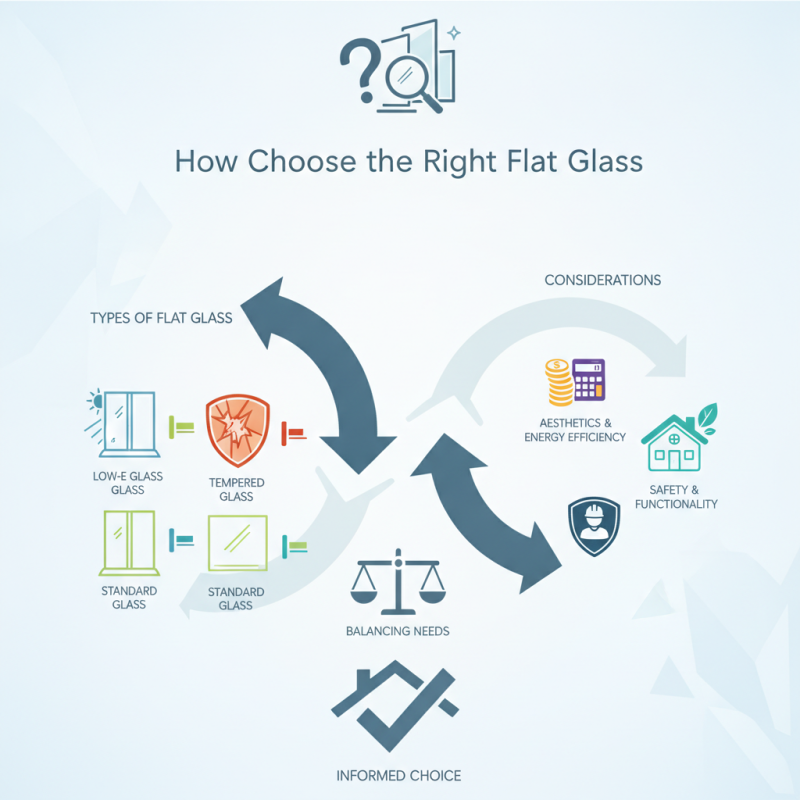
Understanding the Different Types of Flat Glass Available in the Market
When selecting flat glass, it’s crucial to understand the different types available. Each type serves unique purposes. Float glass, for example, is widely used for windows and mirrors. It provides clear visibility and is cost-effective. However, it may not be the best choice for safety applications.
Laminated glass consists of multiple layers bonded together. This type adds strength and can block UV rays. It’s often used in cars and buildings. However, it can be pricier than standard options. Understanding these differences helps you make informed choices.
Tempered glass is another popular option. It is heated and cooled to increase strength. This makes it ideal for shower doors and glass tables. Remember, tempered glass shatters into small pieces, which may pose safety risks. Proper selection depends on your specific needs and environment. Take time to evaluate options carefully.
Identifying Your Specific Needs and Applications for Flat Glass
When choosing flat glass, defining your specific needs is essential. Consider the applications where the glass will be used. Are you looking for durability, insulation, or aesthetic appeal? According to a recent industry report, 45% of architects prioritize performance characteristics when selecting flat glass. This statistic highlights the importance of aligning your glass choice with your specific project requirements.
For energy efficiency, low-emissivity (Low-E) glass is a popular option. It reduces heat transfer, which can significantly lower energy costs. In residential applications, using Low-E glass can increase energy efficiency by up to 30%. If safety is a concern, tempered glass is a smart choice. It is four to five times stronger than standard glass, making it suitable for both commercial and residential environments.
Tips: Always assess the environment where the glass will be installed. Consider factors like exposure to sunlight, temperature variations, and potential impacts. Evaluating these elements can help narrow down your options. Understand that not all glass types are equal. Not every application requires high-performance glass, and sometimes a more basic option may suffice. Balancing cost and functionality will guide you toward the right choice.
How to Choose the Right Flat Glass for Your Needs?
| Type of Flat Glass | Common Applications | Thickness Range (mm) | Key Features |
| Annealed Glass | Windows, Partitions | 2 - 12 | Basic transparency, easy to fabricate |
| Tempered Glass | Shower Doors, Facades | 4 - 19 | Strong, safety features, thermal resistance |
| Laminated Glass | Skylights, Safety Windows | 5 - 25 | Sound insulation, UV control, safety |
| Low-E Glass | Energy-efficient Windows | 3 - 10 | Energy savings, glare reduction |
| Frosted Glass | Privacy Partitions, Doors | 4 - 12 | Privacy without blocking light |
Evaluating Key Factors: Thickness, Size, and Transparency
When selecting flat glass, thickness, size, and transparency are critical. The thickness of glass can affect its strength and insulation properties. For example, a report from the Flat Glass Association indicates that standard residential windows use glass that is 1/8 inch thick. However, commercial spaces often require options up to 1 inch thick for added durability.
Size is another crucial factor. Measure the installation area carefully. An American Glass Institute study highlights that about 25% of glass installations fail due to incorrect sizing. Ensuring precise measurements can enhance the aesthetics of space and improve energy efficiency.
Transparency plays a significant role in how light enters a space. Clear glass offers maximum light transmission, while frosted glass provides privacy. According to industry data, 76% of homeowners prefer clear glass for daylight while citing privacy concerns. Selecting the right transparency can significantly influence comfort.
Tips: Always prioritize your specific needs. Consider the environment where the glass will be used. Are you in a noisy area? Then incorporating thicker glass may be wise. Lastly, consult professionals. Their insights can help avoid costly mistakes and ensure optimal performance.
Exploring Safety and Energy Efficiency Standards for Flat Glass
When selecting flat glass, safety and energy efficiency should be top priorities. Understanding relevant standards is crucial. For safety, look for options like tempered or laminated glass. Tempered glass is heated and cooled to enhance strength, while laminated glass bonds layers with a durable interlayer, preventing shattering. When it comes to energy efficiency, explore low-E coatings and double-glazing options that minimize heat transfer.
Tips: Always check certifications. Safety labels can indicate compliance with industry standards. Energy-efficient glass can significantly reduce heating and cooling costs. This option may seem pricier initially but pays off in the long run.
Moreover, consider the specific application of the glass. Different environments may require distinct specifications. For instance, glass used in high-traffic areas should withstand more impact. However, many consumers overlook this aspect, potentially risking safety. Evaluate your environment carefully before making a choice. Remember, investing in quality glass not only meets safety and energy standards but also enhances overall comfort.
Safety and Energy Efficiency Standards for Flat Glass
Considering Aesthetic Elements: Colors and Finishes for Flat Glass
Choosing the right aesthetic elements for flat glass can enhance any space significantly. Color and finish play crucial roles in creating the desired atmosphere. For example, tinted glass can filter light, adding a natural warmth to interiors. Clear or frosted glass, on the other hand, can promote openness while maintaining privacy. Different finishes also contribute to visual appeal. Matte or gloss finishes can alter the perceived dimensions of a room.
Consider how these choices align with your overall design goals. A bold, colored glass panel might dominate a minimalist room. It’s essential to balance personal style with functionality. Reflective surfaces can create a sense of elegance, but they may also amplify glare. A transparent option could soften stark architecture, yet it might not offer enough privacy in certain settings.
Reflecting on your needs is vital. What role do you want the flat glass to play? Should it stand out or blend in? Each decision carries implications. It’s about finding the right glass that meets both aesthetic desires and practical requirements. Ultimately, the choice can define a space.