Get A Free Quote

How to Choose Shipping Container Storage Units?

Choosing Shipping Container Storage Units requires more than comparing prices and exterior paint. A suitable unit must match the stored goods, site conditions, access needs, and expected storage period. UNCTAD’s Review of Maritime Transport 2024 highlights the continuing importance of containers in global supply chains, while the World Shipping Council identifies standard container equipment as essential to efficient cargo movement. These reports show why condition and compatibility deserve attention.

Start with size, construction, and usability. A 20-foot unit usually offers about 33 cubic meters of internal capacity, while a 40-foot unit provides roughly twice that space. Actual capacity varies by manufacturer and flooring design. Check the door opening with your largest item measured, not guessed. Inspect corner posts, roof seams, hinges, locking bars, and floorboards for corrosion or damage. A small roof leak can become expensive after one wet season. It happens.

ISO 668 provides widely used dimensional standards for freight containers, and the Container Owners Association recommends careful inspection, maintenance, and safe handling practices. However, a shipping-grade container may not automatically suit every storage location. Ground preparation, ventilation, drainage, security lighting, and local placement requirements all matter. The World Bank’s Logistics Performance Index also reinforces the value of reliable infrastructure and operational planning across supply chains. This guide will compare new and used units, reefer and dry containers, delivery options, security features, and long-term maintenance. It will also question a common assumption: the cheapest container is rarely the lowest-cost choice over time. Reports help frame the decision, but a physical inspection remains indispensable.

How to Choose Shipping Container Storage Units?

What Are Shipping Container Storage Units and How Do They Work?

Shipping container storage units are strong steel boxes designed to hold goods on land. They usually have corrugated walls, sealed doors, and a wooden or metal floor. Some units include vents to reduce trapped moisture. A delivery truck places the container on level ground, often beside a home, warehouse, or building site. Users load items through the wide end doors and secure them with a suitable lock.

The container works as a simple, movable storage room. Its steel shell protects furniture, tools, equipment, and boxed inventory from rain and sunlight. However, it is not perfectly waterproof in every situation. Condensation may form inside when temperatures change quickly. Good airflow, dry packing materials, and space between boxes can reduce this problem. A container can look dry outside but still feel damp inside.

Tips: Check the ground before delivery. Soft soil may cause shifting or uneven doors. Measure the access route, including gates, overhead branches, and turning space. Choose a size that leaves walking room inside. Inspect door seals, floors, vents, and lock points before signing the rental agreement. If you store sensitive items, use pallets and a basic moisture monitor. Small details matter.

How to Determine the Right Container Size and Storage Capacity

Choosing shipping container storage units starts with your inventory, not a rough guess. Measure bulky items, count cartons, and record the tallest pieces. Include pallets, shelving, and equipment that need regular access. A practical layout should leave about 10–15% unused space for movement and future purchases. More space feels safer.

A 20-foot container often suits household contents, small machinery, or several pallet loads. A 40-foot unit provides more floor area, but it may create wasted space if your goods are limited. Check the internal length, width, height, and door opening before ordering. A tall cabinet may fit inside but fail at the doorway.

Access matters. Heavy items belong near the doors or on strong, low shelving. Keep fragile boxes away from walls where condensation may occur.

Storage capacity also depends on weight, not only volume. Estimate the total load and compare it with the unit’s rated floor capacity. Distribute heavy equipment evenly to reduce pressure points. Leave a clear walkway if you will inspect stock or remove individual items.

I once planned a unit too tightly. It looked efficient on paper. In practice, one blocked aisle made every retrieval slower. Recheck your measurements after adding shelves, wrapping materials, and protective gaps.

Site conditions also matter, including drainage, ventilation, ground stability, and safe vehicle access. A slightly smaller unit with a workable layout can perform better than a larger unit packed without planning.

Which Container Materials, Features, and Conditions Should You Check?

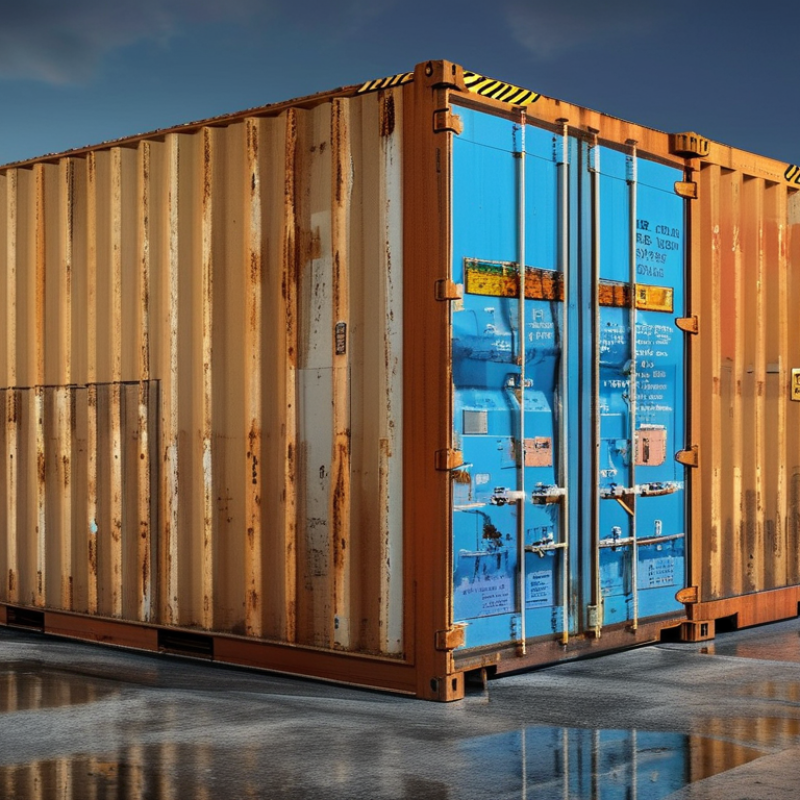
When choosing a shipping container storage unit, inspect the material before admiring its paint. Weathering steel handles outdoor exposure well, but deep rust can weaken panels and door frames. Check the roof for patches, dents, and standing-water marks. A clean surface is not proof of a sound structure.

Open both doors several times. They should swing smoothly, close evenly, and compress intact rubber seals. Look for daylight around the edges. It often reveals bent frames. Inspect the floor for soft spots, stains, and unusual odors. Marine-grade plywood is common, yet damaged boards may hide moisture below. Ventilation openings reduce condensation when temperatures change sharply. For valuable contents, choose a compatible lock box and confirm that the doors resist forced lifting.

Condition matters as much as construction. A used unit may offer good value, but ask about its repair history. I once trusted fresh paint and missed corrosion beneath a corner fitting. That mistake changed my inspection routine. Use a flashlight, measure the interior, and photograph defects before delivery. Confirm that the ground is level and away from flood-prone areas. Ask for a written condition report, although reports can still miss problems. Inspect again after placement. Storage decisions need evidence, not assumptions.

How to Choose Shipping Container Storage Units? - Which Container Materials, Features, and Conditions Should You Check?

Check Category What to Look For Recommended Standard or Condition Why It Matters for Storage Inspection Questions
Main Material Weathering steel, commonly known as corten steel Preferred for outdoor storageThe steel should be structurally sound and free from advanced corrosion. Weathering steel is designed to form a protective surface layer, helping the container resist outdoor weather exposure. Are there deep rust patches, holes, flaking steel, or repairs that compromise the wall or frame?
Floor Material Marine-grade plywood installed over steel cross members Dry, firm, and free from soft spotsThe floor should support the intended load without excessive flexing. A sound floor protects stored goods from ground moisture and supports pallets, shelving, and equipment. Does the floor show rot, delamination, chemical damage, standing water, or visible gaps?
Roof and Ceiling Steel roof panels with intact seams and corner areas No active leaks or puncturesMinor surface rust may be manageable; perforation is a major defect. Roof defects can allow rainwater to enter and may cause hidden corrosion, mold, or product damage. Can the interior ceiling be inspected for daylight, water stains, rust flakes, or condensation marks?
Doors Steel cargo doors with functioning locking bars, hinges, and gaskets Open, close, and lock smoothlyDoor seals should be flexible and continuous around the opening. Doors are the main access and security point. Damaged seals may permit rain, dust, and pests to enter. Do the doors align correctly? Are the locking bars straight? Are the rubber seals cracked, missing, or compressed?
Corner Posts and Frame Four corner posts, top and bottom rails, and cross members Straight, stable, and free from serious deformationThese components carry stacking and lifting loads. Frame damage can reduce structural stability and make the unit unsafe to move, stack, or place on uneven ground. Are any corner posts bent, crushed, heavily rusted, or visibly separated from the frame?
Ventilation Small passive vents positioned high on the side walls Vents present and unobstructedVentilation does not make a container climate-controlled. Passive airflow can reduce condensation buildup, although it cannot prevent temperature and humidity changes. Are vents intact and screened? Is additional ventilation needed for moisture-sensitive goods?
Water Tightness Intact panels, welds, roof seams, door seals, and floor edges Wind- and water-tight for general storageA practical test should be completed before loading valuable goods. Water entry is one of the most common causes of damaged inventory, corrosion, mold, and unpleasant odors. Has the unit been inspected during or after rain? Are there damp areas, stains, or water trails inside?
Corrosion Level Surface rust versus penetrating rust Light surface rust is usually acceptableAvoid perforation, severe pitting, and rust around structural joints. Surface oxidation may be cosmetic, but penetrating corrosion can affect strength and weather resistance. Can a screwdriver pass through any rusted area? Are corrosion spots concentrated near the floor, roof, or frame?
Interior Cleanliness Dry interior with no hazardous residues, strong odors, or pest evidence Cleaned and suitable for the intended goodsFood, textiles, and household goods require particularly careful inspection. Previous cargo residues may cause contamination, odor transfer, staining, or safety concerns. What was previously carried? Are there oil marks, chemical odors, insects, droppings, or unknown residues?
Internal Dimensions Usable length, width, height, and door opening Confirm measurements before deliveryTypical external lengths are about 20 or 40 feet, but usable internal dimensions vary. Internal dimensions determine whether pallets, shelving, vehicles, machinery, and access aisles will fit. Will the widest, tallest, and heaviest items pass through the door and fit without blocking ventilation?
Load Capacity Maximum permitted gross mass, tare mass, and payload information Use the data plate and supplier documentationDo not estimate capacity from external size alone. Overloading may damage the floor, distort the frame, and create handling or transport hazards. What is the stated payload? Can the floor support concentrated loads such as machinery legs or dense materials?
Security Features Locking bars, lockable handles, and provision for an external security lock Use a protected lock housing when theft risk is highSecurity hardware should not prevent normal emergency access. Standard door locks can be vulnerable to tampering; layered security helps protect stored equipment and inventory. Can the doors be secured without leaving gaps? Is the lock area protected from cutting or forced entry?
Ground Placement Level, firm, and well-drained support beneath the corner areas Keep the container off standing waterSupports should be aligned and strong enough for the loaded unit. Correct placement reduces frame stress, door misalignment, floor moisture, and uneven settlement. Is the ground level and stable? Can water drain away? Are all corners supported without twisting the frame?
Climate Protection Insulation, lining, vapor control, dehumidification, or temperature monitoring Required for temperature- or humidity-sensitive goodsA standard steel container can experience large temperature swings. Steel conducts heat and cold. Condensation can form when warm, moist air contacts cooler interior surfaces. Do the goods require controlled temperature or humidity? Is insulation or active climate control necessary?
Certification and Records Identification plate, inspection history, repair records, and transport documentation Records should be legible and consistent with the unitStorage-only use may have different requirements from international transport. Clear records help verify dimensions, load information, prior repairs, and whether the unit is appropriate for the planned use. Is the identification plate present? Are repairs documented? Does local regulation require permits or specific modifications?
Overall Condition Combination of structural integrity, weather resistance, cleanliness, and usability Choose the lowest condition level that still meets the storage purposeA newer unit is not always necessary for basic, non-sensitive storage. Matching condition to use controls cost while avoiding defects that could damage goods or create safety risks. Will the unit store general goods, sensitive goods, machinery, chemicals, or valuable equipment? Does its condition match that risk?

How to Compare Site Access, Security, Climate Control, and Placement

Choosing a shipping container storage unit starts with the site, not the steel box. The 2023 Self Storage Association Demand Study reported 14.5 million U.S. renter households using storage in 2022. That demand makes access planning important. Check whether trucks can enter, turn, and leave without reversing near pedestrians. A wide gravel lane may look practical, yet rain can create deep ruts. Measure the door opening and turning radius before signing. Daily access should include clear hours, lighting, and a reliable gate system. Ask how access records are stored. Cameras help, but they cannot replace routine inspections, strong locks, and visible staff presence. Small details matter.

Climate control depends on what you store. Sensitive documents, electronics, wood, and textiles need stable temperature and humidity. The U.S. Energy Information Administration’s 2018 Commercial Buildings Energy Consumption Survey found space heating used 32% of commercial building energy, while cooling used 9%. Climate control can be valuable, but it raises operating costs. A basic container may trap heat like a parked vehicle. Ventilation helps, but it is not dehumidification. I would request recorded temperature and humidity readings, not vague promises. Placement matters too. Keep the unit above flood-prone ground, away from falling branches, and out of direct afternoon sun when possible. A shaded location is useful. Still, shade alone is not climate control. My first choice might be a cheaper unit, but that decision can fail when seasonal moisture goes unnoticed.

How to Choose Shipping Container Storage Units?

Comparing site access, security, climate control, and placement

Scores use a practical 1–5 planning scale, where 5 represents the strongest suitability. Ground-level containers usually provide the easiest vehicle access and flexible placement. Indoor storage generally offers the best protection from weather and temperature changes, while modified containers with ventilation or insulation are more suitable for climate-sensitive goods. Security depends on the site, locking system, lighting, and monitoring rather than the container alone.

How to Evaluate Costs, Regulations, Delivery, and Long-Term Maintenance

How to Choose Shipping Container Storage Units?

How to Evaluate Costs, Regulations, Delivery, and Long-Term Maintenance

The purchase price is only one part of the budget. Include transport, ground preparation, leveling, locks, ventilation, insurance, and possible taxes. A reinforced base may cost more, but it can reduce shifting and moisture problems. Check local zoning rules before ordering. Some areas require permits, setbacks, screening, or fire access. Ask the local authority for written guidance, then confirm details with a qualified contractor. Rules can change.

Delivery deserves careful planning. Measure the entrance, turning space, overhead wires, and driveway width. A loaded truck needs firm ground and enough clearance. Soft soil may collapse under the container’s weight. Discuss unloading equipment and placement limits with the delivery team. Inspect the unit immediately for bent doors, roof damage, and water entry. Take clear photos. Small problems become expensive when ignored.

Long-term maintenance is easy to underestimate. Inspect the roof, corner posts, door seals, vents, and floor every few months. Remove leaves and standing water. Surface rust should be cleaned and treated early. Condensation can damage stored items, especially during seasonal temperature changes. Use airflow, raised pallets, and moisture control where appropriate. Expect surprises. I would revise any budget after the first rainy season. Measure twice. A realistic maintenance reserve makes ownership less stressful, though it cannot prevent every repair.

crossmenu linkedin facebook pinterest youtube rss twitter instagram facebook-blank rss-blank linkedin-blank pinterest youtube twitter instagram