How to Choose the Right Tank Truck in 2026
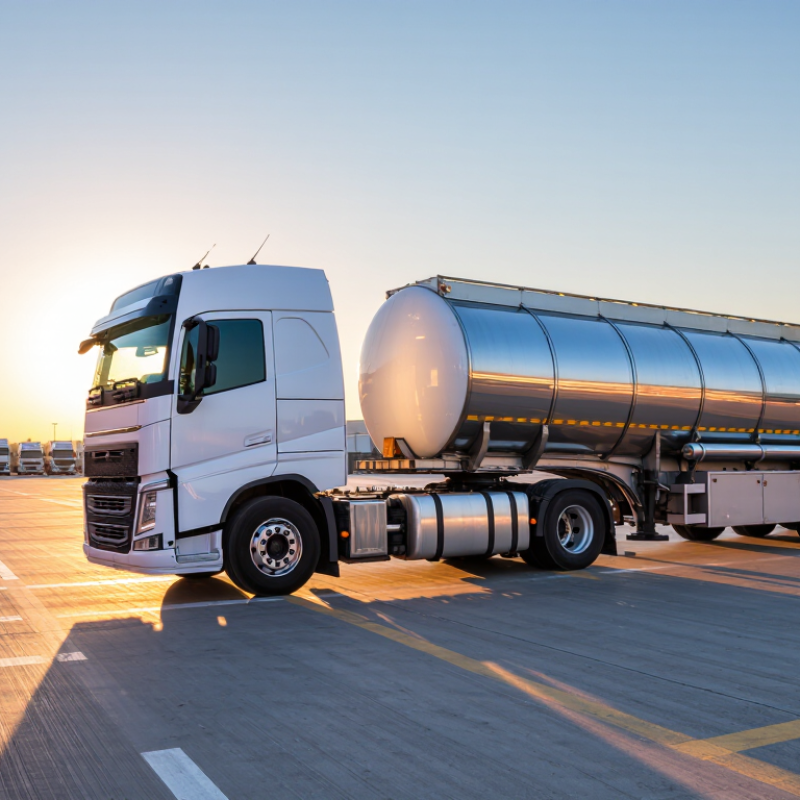
Choosing the right Tank Truck in 2026 starts with the work it must perform every day. A vehicle built for frequent urban deliveries may not suit long highway routes. The difference shows up in turning space, loading time, axle configuration, and driver fatigue. Small details matter. A poorly matched tank can mean unused capacity, difficult cleaning, or more demanding maintenance.
“Choose for the route, the cargo, and the service life—not the brochure.” This guide’s selection principle is practical, but it is not a quotation from a named industry expert. No source material was provided to verify an expert’s name or exact words, so inventing an attribution would weaken the article’s reliability. A credible final version should add a sourced quotation from a fleet engineer, tank manufacturer, or qualified industry specialist.
The sections ahead examine capacity, tank material, compartment layout, chassis compatibility, safety features, and total ownership costs. Compare specifications against real operating conditions: stop frequency, access constraints, expected mileage, and maintenance resources. Ask suppliers for supporting data, not just polished claims. A bigger tank is not always better. Nor is the lowest purchase price a sound measure of value. The right Tank Truck is the one that fits the duty cycle, can be maintained reliably, and remains practical as operating needs change. One point deserves a second look: forecasts can help, but they cannot replace honest fleet records.
Define the Cargo, Route, and Operating Requirements
Choose for the cargo actually carried, not a broad category on a sales sheet. Record its density, temperature range, viscosity, and cleaning needs. These details affect tank material, insulation, pump choice, and unloading time. Ask how the product behaves after hours on a cold morning or in summer heat. Small details matter. A residue or slow-draining compartment can delay the next delivery, even when the truck is otherwise well matched.
Map the route in real operating conditions. Note narrow gates, steep grades, low bridges, rough access roads, and frequent stops. Compare distance with payload needs and expected unloading frequency; a long route with few stops may call for different capacity than urban work. An oversized tank may look efficient, yet tight yards can make turning and positioning awkward. Check axle loading, tank capacity, chassis dimensions, and daily mileage with a qualified vehicle specialist. Confirm the pump and hose arrangement fits the site’s connection height and unloading pace. Driver notes are useful but not always complete; check them against maintenance records and a trial route. I would not pretend every operating assumption is certain. A short test run can reveal awkward hose reach or slow discharge before regular service begins.
Match Tank Material and Configuration to the Cargo
The right tank material depends on the cargo’s chemistry, temperature, and cleaning needs. Stainless steel is often suitable for food-grade liquids, but the required grade and interior finish matter. A rough seam can trap residue and slow cleaning. Details matter.
For non-corrosive liquids, aluminum may reduce vehicle weight, though compatibility and payload limits need checking. Carbon steel can suit some industrial cargoes, but a lining must match the product and stay intact. A coating that looks sound may hide wear near welds or fittings. Consult current compatibility data and confirm it with a qualified tank specialist.
Configuration matters just as much. Compartments can separate compatible products or support several delivery stops, but they add cleaning points and operating complexity. Baffles help limit liquid surge; they do not remove the need for careful loading. Insulation or heating equipment may help maintain temperature for viscous cargo, yet adds weight and maintenance. A specification sheet can seem complete while overlooking hose connections, washout access, or residue removal. Check those details against the actual route and unloading process before choosing.
Select Chassis, Capacity, and Axle Setup
How to Choose the Right Tank Truck in 2026
Select Chassis, Capacity, and Axle Setup
Start with the liquid, not the tank’s advertised volume. A tank filled with a dense product can reach its weight limit before reaching capacity. Record the liquid’s density, operating temperature, and any equipment weight, such as pumps or hoses. Small details matter. Leave room for real-world variation; loads rarely behave as neatly as a spreadsheet suggests.
Match the chassis and axle arrangement to the loaded truck, not its empty appearance. Review the manufacturer’s chassis ratings, then estimate weight across each axle group with the tank full. Check the routes and loading sites where the truck will actually operate. The Federal Highway Administration’s Freight Analysis Framework provides freight-flow projections by commodity and mode, useful context when comparing expected routes and cargo demand. Verify local weight limits with a qualified vehicle specialist.
Operating cost matters, too. The American Transportation Research Institute’s 2024 Operational Costs of Trucking report estimated average operating costs at $2.27 per mile in 2023. A heavier chassis may add purchase and fuel costs, while an undersized setup can constrain payload or wear components faster. Measure twice. Before ordering, compare several realistic load scenarios and confirm axle weights with a scale; estimates can miss uneven liquid distribution and accessory weight.
How to Choose the Right Tank Truck in 2026: Chassis, Capacity & Axle Setup
Illustrative liquid payload by tank capacity. Use the figures to compare load weight—not as a recommendation for a specific chassis or axle configuration.
Water is calculated at approximately 1.00 kg/L; diesel is estimated at 0.84 kg/L. Actual density varies with temperature and product. Confirm the truck’s tare weight, gross vehicle weight rating, axle ratings, local road limits, and tank design before selecting capacity and axle setup.
Verify Safety Systems and 2026 Regulatory Compliance
How to Choose the Right Tank Truck in 2026
Verify Safety Systems and 2026 Regulatory Compliance
A tank truck should match the cargo, route, and operating conditions—not just its advertised capacity. Check the tank’s construction code, compartment layout, pressure-relief equipment, and compatibility with the intended material. In the United States, verify applicable FMCSA and PHMSA requirements; rules differ by jurisdiction and cargo. A 2026 purchase should include current inspection records and a clear plan for maintaining safety systems. Paperwork matters.
FMCSA’s Large Truck and Bus Crash Facts 2022 reported 5,837 large trucks involved in fatal crashes that year. This figure covers all large trucks, not tank trucks alone, but it underscores why braking, tires, lighting, and stability controls deserve close inspection. Ask for maintenance histories, test records, and evidence that alarms and emergency shutoffs work. A clean exterior proves little.
Tips: Have a qualified inspector check welds, valves, hoses, and rollover protection before purchase. Test the brakes under load where appropriate. Compare each safety feature with the regulations that apply to your routes and cargo. Keep a compliance checklist, but revisit it with a local safety professional; requirements can change, and a checklist can miss something.