Why is Construction Pipe Essential for Your Project Success?
In the world of construction, the role of Construction Pipe cannot be overstated. This crucial element is often overlooked, yet it plays a vital role in the success of any project. Construction pipes ensure that water, gas, and drainage systems operate smoothly and efficiently. Their reliability is essential for maintaining safety standards and meeting project deadlines.
Choosing the right construction pipe involves understanding various materials and their properties. PVC, steel, and copper each serve different purposes. A misstep in selecting the appropriate type could lead to costly delays and subpar performance. Therefore, knowledge in this area is invaluable for project managers and engineers alike.
However, even the most experienced professionals can make mistakes. There’s a constant need to assess material quality and ensure compliance with industry standards. The consequences of poor choices can be significant. Ultimately, an informed approach to using construction pipes ensures smoother operations and enhanced project outcomes.
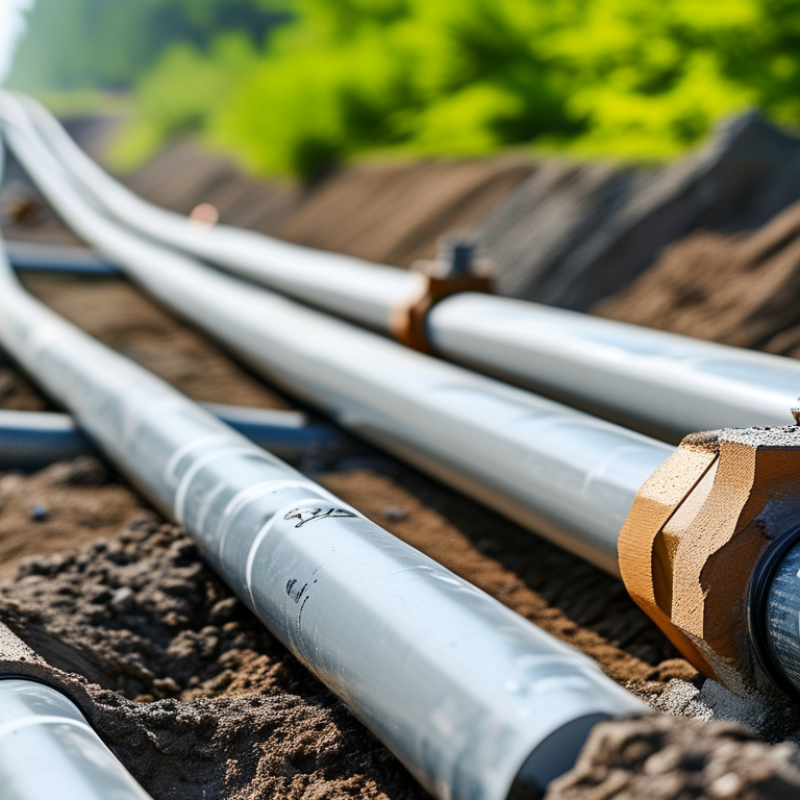
The Role of Construction Pipe in Infrastructure Development
Construction pipe plays a pivotal role in infrastructure development. Its applications range from water supply systems to waste management solutions. Properly selected and installed pipes ensure the smooth functioning of utilities within urban environments. They transport essential resources like water and gas, making them a backbone of modern cities.
However, the choice of materials often presents challenges. Different environments may require specific types of pipes to withstand pressures or corrosive conditions. Mistakes in this selection can lead to costly repairs and project delays. Engineers must understand these nuances to deliver reliable infrastructure. The failure to address corrosion or poor insulation can severely impact a project’s longevity and performance.
Moreover, effective installation practices are crucial. Training and expertise are necessary to minimize errors during this process. Inspections and maintenance of pipes after installation also require careful consideration. This step often gets overlooked, yet it is vital for ensuring long-term success. Each project presents unique challenges that require comprehensive planning and proactive strategies to overcome them effectively.
Types of Construction Pipes and Their Applications
Construction pipes are critical to various projects. They serve countless functions, including transporting liquids, gases, and materials. Several types of construction pipes excel in different applications. Understanding these types is essential for effective planning and execution.
PVC pipes are popular for water distribution systems. They are lightweight and resistant to corrosion, making them ideal for both residential and commercial use. According to a 2022 industry report, approximately 70% of plumbing systems in new constructions utilize PVC pipes. However, they might not withstand high-temperature applications as effectively as some alternatives.
Steel pipes, on the other hand, are robust and suitable for high-pressure applications. They are often used in oil and gas transportation. A survey indicated that steel pipes accounted for around 20% of the total market share in the construction industry last year. Yet, the added weight can complicate installation processes. Therefore, assessing the right type of pipe for the specific needs of a project is key. This decision impacts efficiency and safety, critical elements for any successful construction endeavor.
Key Factors to Consider When Choosing Construction Pipe
Choosing the right construction pipe is key to project success. There are many factors that can affect your decision. Material is one of the most important aspects. Options like PVC, steel, and copper each have unique properties. Steel is strong but can corrode. PVC is lightweight and resistant to many chemicals. Understanding these materials can guide you to the best choice.
Size and diameter are also critical. The wrong size can lead to pressure issues and can create flow problems. Always check the requirements of your project. Local regulations can impose restrictions too. Ensure compliance with codes to avoid future costs.
Don’t overlook joint types and fittings. Different environments require specific joints. An improper joint can lead to leaks or failures. A small mistake here can impact the entire project. If in doubt, consult with an expert. Their experience can help you navigate complex choices.
How Proper Installation of Pipe Enhances Project Durability
Proper installation of construction pipes is crucial for enhanced project durability. Research indicates that over 30% of construction failures stem from inadequate pipe installation. Quality pipes withstand extreme conditions, prolonging a project's lifespan. For instance, a study by the American Society of Civil Engineers reveals that well-installed piping systems can increase overall project durability by up to 40%.
The role of skilled labor in installation cannot be overlooked. Without proper training, even the best materials can fail. Construction managers report that poorly installed pipes lead to costly repairs. Preventive measures in this area could save projects over 15% in potential downtime. Achieving a successful outcome requires attention to detail. Regular inspections during the installation phase can identify flaws early.
Moreover, using the right techniques is essential. Data shows that implementing a standardized installation process reduces variability and potential errors. Contractors often face challenges in adhering to local codes and standards, leading to inconsistencies. These oversights can have long-term repercussions. A dedicated approach to pipe installation is not only about choosing materials; it’s also about ensuring precision and knowledge in execution.
The Impact of Quality Construction Pipe on Project Budget and Timeline
Construction pipes play a vital role in project success. Quality piping affects both budget and timeline directly. According to a recent report by the American Society of Civil Engineers, 30% of project delays stem from material-related issues. Subpar pipes can lead to leaks, structural failures, and costly repairs. This can push budgets over by as much as 20%.
Investing in high-quality construction pipes may seem costly upfront. However, the long-term savings can be significant. The National Institute of Standards and Technology estimates that improved construction quality can save up to $15 billion annually for the U.S. economy. When pipes fail, rework not only consumes labor hours but also delays project completion.
Understanding your project’s specific pipe requirements is critical. Engineering studies reveal that mismatched materials can increase project timelines by nearly 25%. The right pipes enhance system reliability. They can also minimize the risk of unexpected failures. It's essential to reflect on these factors during project planning to achieve a seamless execution.
Why is Construction Pipe Essential for Your Project Success? - The Impact of Quality Construction Pipe on Project Budget and Timeline
| Property | Impact on Project Budget | Impact on Project Timeline |
| Material Quality | High-quality pipes reduce maintenance costs and minimize replacements. | Reliable materials ensure timely completion and fewer delays due to failures. |
| Pipe Diameter | Choosing the right diameter prevents overspending on excessive material. | Proper sizing reduces installation time and avoids system bottlenecks. |
| Installation Quality | Quality installation minimizes future repair costs. | Well-installed pipes save time on adjustments and fixes later. |
| Supplier Reliability | Dependable suppliers help avoid unexpected costs due to delays. | Timely deliveries keep projects on schedule without disruptions. |
| Compliance with Standards | Avoid penalties and rework costs by adhering to regulations. | Ensures project approval without additional time spent on modifications. |