What is a Fragrance Filling Machine and How Does It Work?
The fragrance industry is a booming market, projected to reach $64 billion by 2025. As demand grows, the need for efficient and reliable production methods increases. A key player in this industry is the Fragrance Filling Machine. This technology streamlines the filling process, ensuring precision and consistency in every bottle.
Modern fragrance production demands high standards. Manufacturers rely on automated solutions for increased efficiency. Fragrance Filling Machines offer significant advantages, including reduced waste and faster filling times. Industry reports highlight that automation can increase production rates by up to 50%. This is essential in a sector where consumer preferences change rapidly.
However, not all machines are equal. Factors like ease of use and maintenance can impact operational success. Some machines may lack adaptability, which can lead to inefficiencies. It's crucial for businesses to assess their specific needs when selecting a Fragrance Filling Machine. This decision will affect product quality and overall profitability in a competitive market.
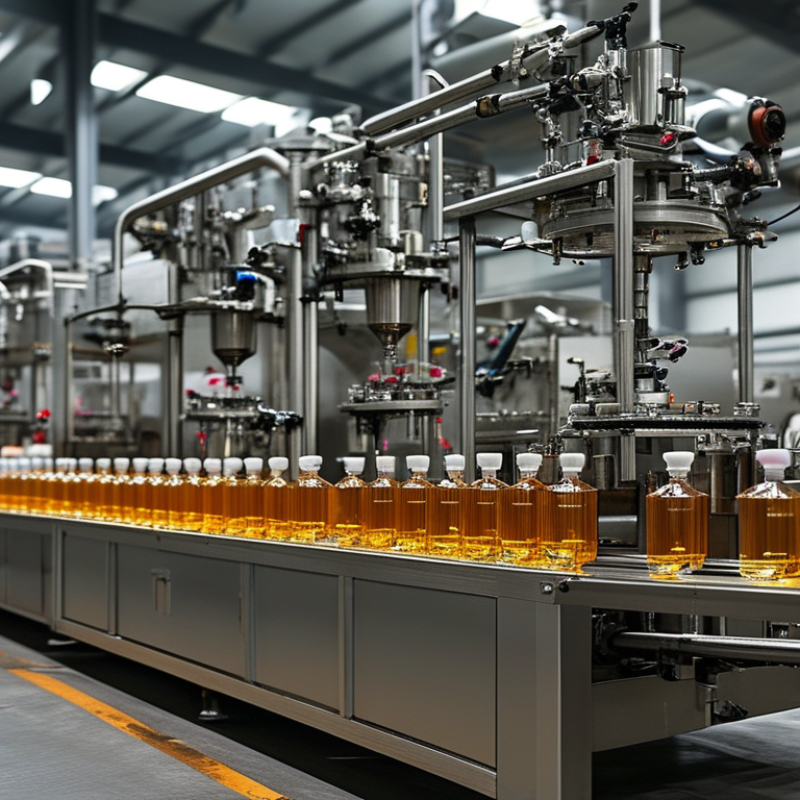
Understanding the Basics of Fragrance Filling Machines
Fragrance filling machines are crucial in the cosmetic and perfume industry. They are designed to precisely fill bottles with various types of liquid fragrances. This helps meet the growing demand for perfumed products in a fast-paced market.
These machines work through a series of steps. First, they draw the fragrance from a storage tank. The liquid is then measured and dispensed into bottles. This may sound simple, but it requires precise calibration to avoid wasting valuable perfume. Operators must regularly maintain these machines to ensure accurate filling. If not, issues can arise, leading to inconsistent product quality.
While fragrance filling machines enhance efficiency, challenges remain. The process can be affected by variables like temperature and viscosity of the liquid. Operators need training to troubleshoot these problems effectively. Moreover, not every machine can handle all types of fragrances, which can limit production flexibility. Continuous improvement and adaptation are essential to address these limitations in a dynamic industry.
Key Components of a Fragrance Filling Machine
A fragrance filling machine is vital in the cosmetics and perfume industry. Understanding its key components can shed light on how it operates effectively. One of the primary elements is the filling nozzle. This nozzle controls the flow of the liquid fragrance into containers. It must be precise and adaptable, allowing for various bottle shapes and sizes.
Another essential component is the pump system. The pump determines the speed and volume of the fluid dispensed. Data reveals that modern pumps can increase filling efficiency by 30%. Sensors play a crucial role, enhancing accuracy and ensuring minimal spillage. The integration of advanced technology improves reliability. Reports indicate that machine downtime reduces overall productivity, emphasizing the need for maintenance.
Moreover, the control panel is where operators manage settings. User-friendly interfaces simplify adjustments and monitoring. However, operators must be trained to maximize machine potential. Regular updates and calibrations are necessary to maintain performance and prevent errors. Industry insights suggest that machines lacking proper oversight can lead to inconsistent fills and wasted product, highlighting the need for continual improvement in processes.
The Working Mechanism of Fragrance Filling Machines
Fragrance filling machines play a vital role in the perfume industry. These machines automate the process of filling bottles with liquid scents, ensuring precision and consistency. The market for fragrance filling machines is projected to grow at a rate of 4.1% annually, reflecting increased demand for perfumes and other scented products.
The working mechanism of fragrance filling machines involves the use of advanced technology. Typically, these machines rely on volumetric or gravimetric filling techniques. Volumetric systems dispense a set volume of liquid, while gravimetric methods weigh it before filling. This ensures accuracy and minimizes waste, which is essential in an industry where ingredient costs can be significant. A report from Market Research Future projects that the essential oils segment will drive this growth, highlighting the importance of efficient filling solutions.
Tips: Ensure regular maintenance of filling machines to prevent downtime. Monitor the calibration frequently for optimal performance. Consider investing in machines with integrated cleaning systems for seamless operations.
Despite their efficiency, challenges remain. Variability in liquid viscosity can affect filling accuracy. Additionally, machine settings may require frequent adjustments when switching between different fragrances. Staying updated on best practices is crucial in addressing these issues, ensuring the machines perform optimally and meet industry standards.
Types of Fragrance Filling Machines and Their Applications
Fragrance filling machines come in various types, each designed for specific applications. One common type is the automatic filling machine, which efficiently fills bottles with liquid fragrance. This machine utilizes advanced technology to ensure accuracy and speed. It can handle different bottle sizes and shapes, catering to diverse packaging needs.
Another type is the semi-automatic fragrance filling machine. This machine requires some manual intervention, making it suitable for smaller production runs. Users can easily adjust settings for different filling volumes. The semi-automatic option provides flexibility but may lack the speed of fully automatic models.
Each fragrance filling machine serves distinct industries. For instance, personal care brands often opt for automatic machines for high-volume production. In contrast, artisanal fragrance makers may prefer semi-automatic machines for their versatility. Understanding these variations is crucial for selecting the right machine. Not all users grasp the nuances of each type, leading to potential mismatches in production needs.
Maintenance and Best Practices for Fragrance Filling Machines
Maintaining a fragrance filling machine is crucial for its optimal performance. Regular maintenance helps prevent unexpected downtime and ensures consistent product quality. According to industry reports, 30% of production delays stem from equipment malfunctions. This statistic highlights the importance of a proactive approach to maintenance.
Routine checks should include inspecting seals and hoses for leaks. Over time, wear and tear can occur, leading to compromised efficiency. Cleaning the filling heads is essential for avoiding contamination. Operators often overlook this step, but it’s vital to preserve product integrity. Ensuring that all components are calibrated correctly can save on costly repairs down the line.
Best practices also involve training staff adequately. Operators should be familiar with the machine's specifications and operating procedures. Misunderstandings can lead to operational errors. Continuous education can enhance reliability, but some companies still skip this vital step. Emphasizing a culture of safety and maintenance reduces risks and fosters better results in production. Following these guidelines can significantly improve both machine lifespan and output quality.