What is a Grp Skylights Making Machine and Its Benefits?
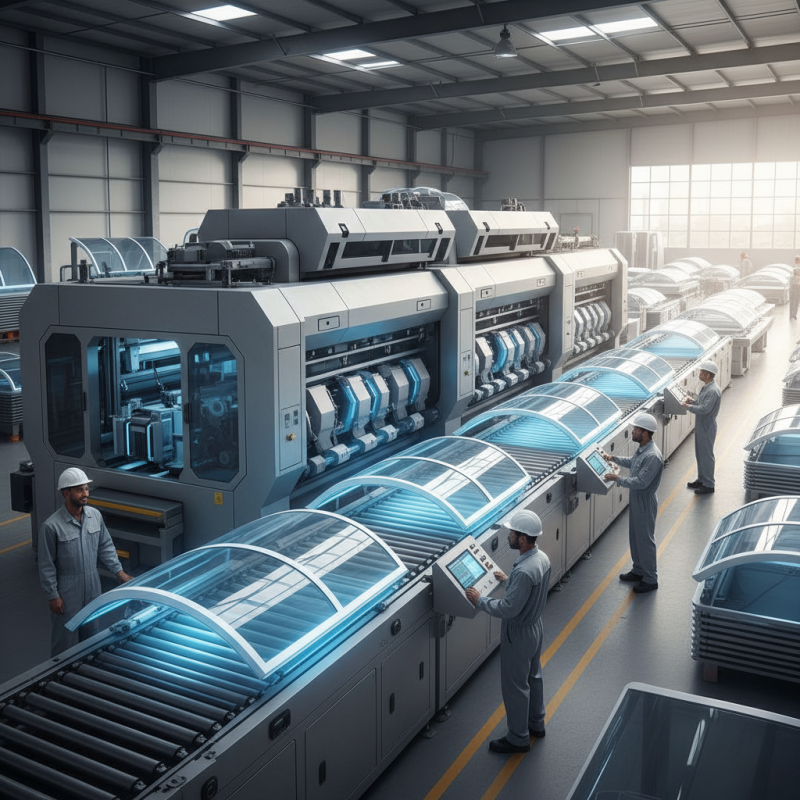
The Grp Skylights Making Machine is revolutionizing the way skylights are produced. This innovative technology enhances efficiency in manufacturing while ensuring high-quality output. Many industries rely on skylights for natural lighting solutions, making the demand for reliable machines crucial.
A GRP Skylights Making Machine offers several advantages. It is notable for its durability and cost-effectiveness compared to traditional methods. As manufacturers seek to improve production capabilities, this machine stands out. Its design allows for quick adjustments, catering to various skylight sizes and styles. However, it’s important to consider its initial investment cost, which may deter some businesses.
Despite these challenges, the benefits outweigh them. The consistent quality and reduced labor costs make the GRP Skylights Making Machine a smart investment. For companies focused on sustainability, this machine also supports eco-friendly practices. In a world increasingly leaning towards efficient solutions, embracing this technology can redefine skylight manufacturing.
What is a GRP Skylights Making Machine?
GRP (Glass Reinforced Plastic) skylights making machines are specialized tools designed to create durable and efficient skylights. These machines streamline the manufacturing process, enhancing the overall quality of skylights. They are engineered to shape and mold GRP materials effectively. This allows for consistent production and reduces material waste, which can be a significant concern in traditional methods.
One of the main advantages of using a GRP skylights making machine is the high level of customization it offers. Manufacturers can produce various sizes and shapes tailored to specific architectural designs. The process also enhances thermal insulation properties. Additionally, GRP materials can withstand the elements better than traditional materials. This results in a longer lifespan for skylights, which is vital for sustainability in construction.
While these machines present significant benefits, they come with challenges. Operators require specific technical skills to manage them effectively. Moreover, maintenance is critical for ensuring longevity and optimal functionality. The initial investment can be substantial, raising questions about return on investment. Potential users must weigh these factors before diving into GRP skylight production.
The Key Components of a GRP Skylights Making Machine
A GRP skylights making machine is a specialized tool designed for the efficient production of glass-reinforced plastic (GRP) skylights. These machines consist of several key components that ensure both precision and durability. The molding system, for example, is crucial. It shapes the skylight panels, ensuring they fit perfectly and meet structural requirements. This process is often automated, enhancing production efficiency.
Another vital component is the resin application system. This technology allows for an even distribution of resin, which is essential for the skylight's strength and appearance. While high-tech machinery often minimizes human error, operators still need training to ensure proper use. Control systems also play a significant role, allowing for real-time monitoring and adjustments during production.
A well-designed GRP skylight machine can greatly reduce waste. However, mistakes can still occur, particularly if settings are improperly calibrated. Regular maintenance and operator training are necessary to mitigate these risks. These machines not only enhance productivity but also contribute to the longevity of the products, underscoring the importance of understanding their components and functions.
Advantages of Using GRP Skylights for Construction Projects
GRP skylights offer numerous advantages that make them a popular choice in construction projects. These skylights are made from glass-reinforced plastic, a material known for its strength and durability. A significant benefit is their lightweight nature, which makes installation easier and faster than traditional skylights. They provide excellent thermal insulation too, helping to maintain comfortable indoor temperatures while reducing energy costs.
Another advantage of using GRP skylights is their resistance to weather elements. Unlike glass, they won’t shatter or degrade over time. This results in long-term savings on maintenance and replacement. Additionally, their UV resistance ensures that natural light enters without damaging furniture or flooring. However, the production process can sometimes lead to inconsistencies in quality, which requires thorough inspection.
Aesthetic appeal is another consideration. GRP skylights can be customized in various shapes and sizes, fitting different architectural styles. Construction teams often appreciate this versatility. Yet, it’s crucial to evaluate whether the design truly complements the building. Rushing the decision may lead to visual mismatches. Understanding the specific needs of a project will lead to better outcomes and more effective use of resources.
What is a Grp Skylights Making Machine and Its Benefits? - Advantages of Using GRP Skylights for Construction Projects
| Feature | Description | Benefits |
| Material | Glass Reinforced Plastic (GRP) | Durable and weather-resistant, reducing maintenance costs. |
| Weight | Lightweight compared to traditional materials | Easier and cheaper to handle and install. |
| Transparency | High light transmission | Enhances natural lighting in buildings, reducing energy costs. |
| Thermal Insulation | Good thermal performance | Contributes to energy efficiency and comfort. |
| Design Flexibility | Easily molded into various shapes and sizes | Allows for creative architectural designs. |
| Installation Speed | Quick and straightforward installation process | Faster project completion and less labor cost. |
How to Operate a GRP Skylights Making Machine Effectively
Operating a GRP Skylights Making Machine requires adherence to several best practices. Attention to detail is paramount. Ensure that you accurately measure materials before mixing. Improper ratios can lead to a weak product. Incorrect measurements contribute to wastage and inefficiency. Frequent checks on the machine’s calibration can prevent significant errors.
Regular maintenance is essential. Inspect the machine for any signs of wear and tear. Ensure that all components function smoothly. This decreases downtime and enhances productivity. Be aware of any unusual noises or vibrations during operation; these could indicate a problem. Addressing issues early on is better than facing larger repairs later.
Tips: Always wear protective gear when operating machinery. This includes gloves and goggles. Staying safe is crucial in any workspace. Additionally, keep your workspace organized. A clean environment reduces the risk of accidents. It's easy to overlook the little things. However, bad habits can develop if we are not vigilant. Remember, even experienced operators make mistakes. Reflection and adjustment are part of the learning process.
Maintenance Tips for GRP Skylights Making Machines
Maintaining a GRP skylights making machine is crucial for optimal performance and longevity. Regular inspections can extend the machine's lifespan significantly. According to industry reports, machines that receive consistent maintenance have a 30% higher productivity rate.
To keep the machine running efficiently, regularly check the lubrication levels. Over time, the grease can degrade, affecting movement and output. Clogged filters are another common issue. Replacing them every few months can prevent airflow disruptions.
Cleaning the mold surfaces is equally key. Dust and contaminants can lead to flawed products. Operators should use specialized cleaning agents designed for GRP materials. However, some machines may experience wear and tear even with proper maintenance. Regularly reviewing operational data can help identify patterns and issues early. Monitoring machine performance is essential for long-term reliability and efficiency.
Monthly Production of GRP Skylights (Units)
This bar chart represents the monthly production of GRP skylights over a seven-month period. The data indicates a steady increase in production capacity, reflecting improvements in manufacturing processes and efficiency.