Ultimate Guide to Storage Container Sizes Tips for Buyers?
When it comes to choosing the right storage container sizes, many buyers find the task daunting. Expert Mark Henderson, a leading authority in the storage solutions industry, emphasizes, "Understanding storage container sizes can simplify your decision-making process." His insight reflects the complexity many face when selecting the appropriate container.
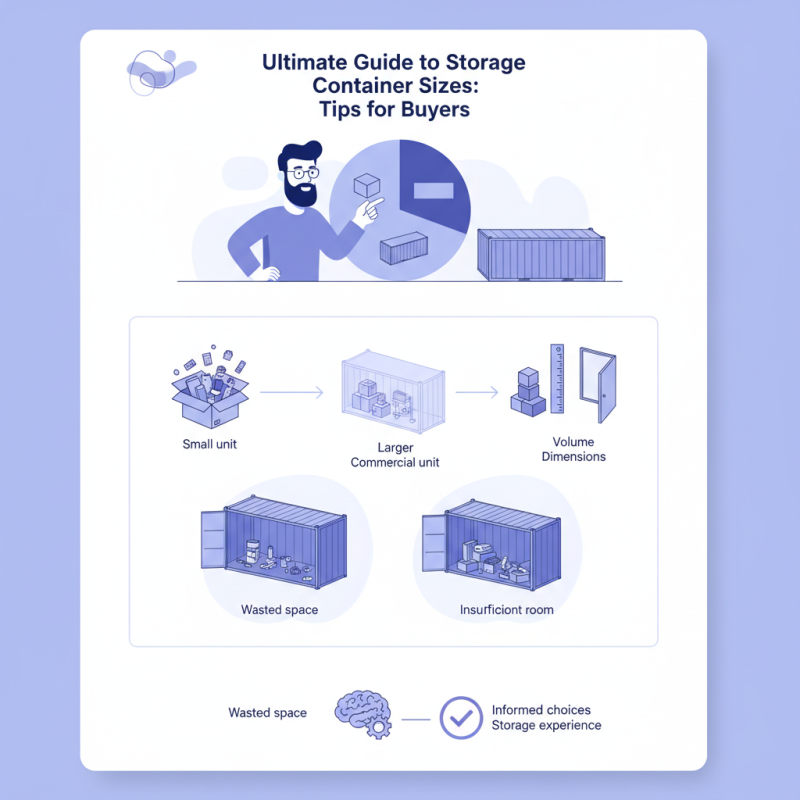
With a vast array of dimensions available, knowing what you need can save time and money. Whether you're looking for a small unit for personal items or a larger container for commercial use, understanding storage container sizes is crucial. Each size comes with its own advantages and limitations. The brand you choose may offer different specifications that can further complicate the selection process.
Buyers should consider specifics such as the volume of items to store and the container's accessibility. A mismatch in size can lead to wasted space or insufficient room for your needs. This reality often prompts reflection on how initial assumptions may not always lead to practical solutions. The right knowledge equips you to make informed choices, ultimately enhancing your storage experience.
Understanding Different Storage Container Sizes
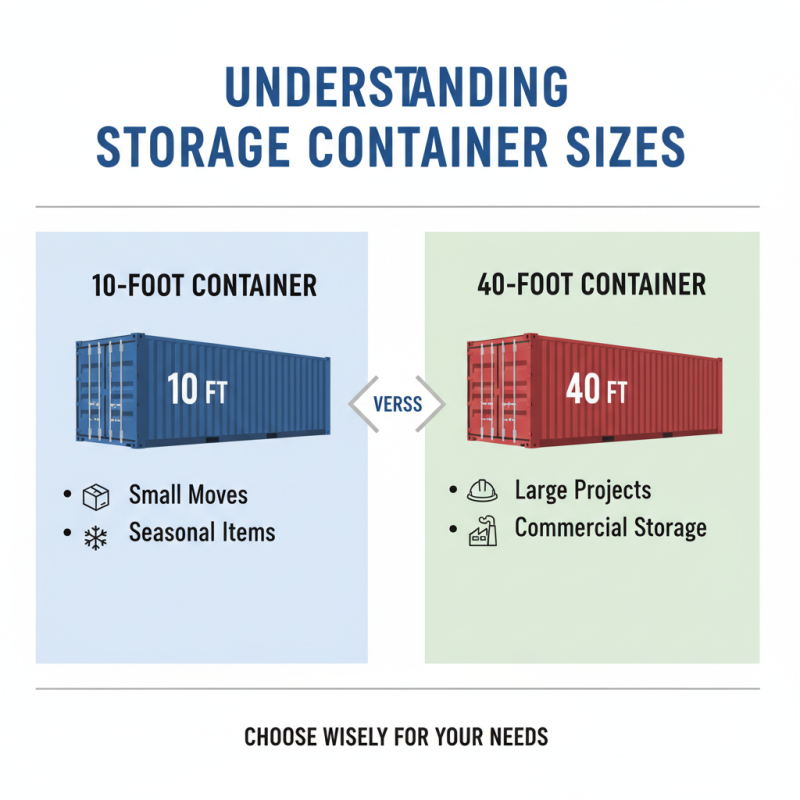
When considering storage containers, understanding the various sizes is crucial. Different sizes cater to different needs. For instance, a 10-foot container is great for small moves or storing seasonal items. In contrast, 40-foot containers are ideal for larger projects, like renovation or commercial storage.
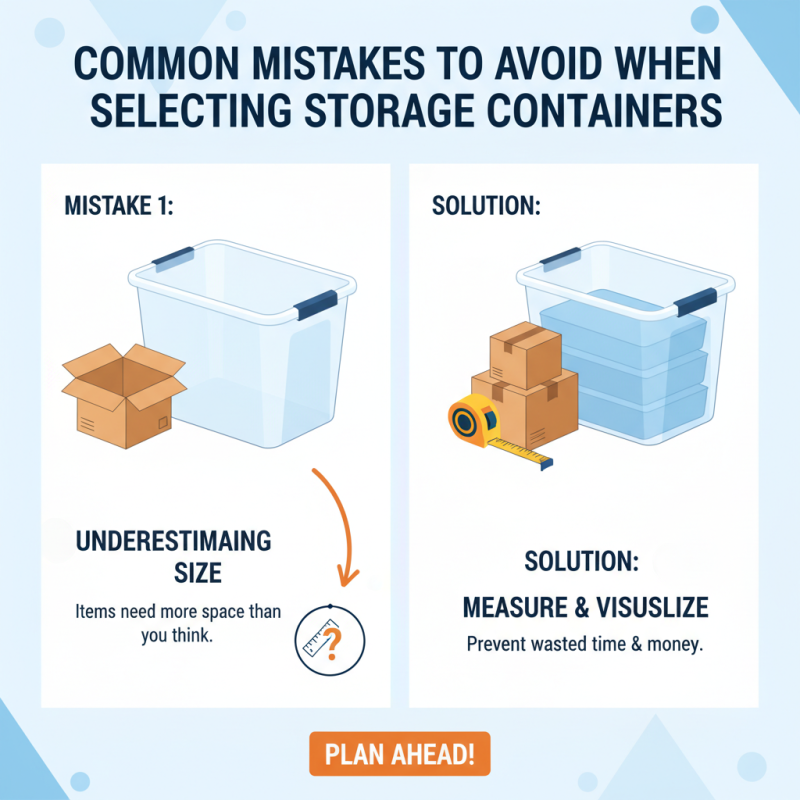
Here are some tips for choosing the right size. Measure your items before making a decision. This helps avoid underestimating or overestimating space. It’s better to have a little extra space than to cram items together. Also, consider how often you need access to your belongings. If you need frequent access, a smaller container might be more convenient.
Remember, not all containers are created equally. Some might look spacious but lack effective organization. Reflect on your specific requirements and be realistic. Think about what you truly need to store and how you plan to use the space. Make informed choices. This ensures you gain maximum value from your storage solution.
Key Factors to Consider When Choosing Container Dimensions
When choosing storage container dimensions, several key factors demand attention.
Consider the intended use. Will you store furniture, documents, or recreational gear? Each requires a different approach to sizing.
For instance, bulky items need more space, while boxes of files can be stacked efficiently.
Evaluate your space availability as well. If your location has limited room, compact containers can fit snugly.
Yet, larger containers offer versatility for diverse needs. Keep in mind the entrance points of your storage area.
A wide container needs ample access, which may not be feasible in tight spaces.
Determine future needs too. As life changes, so do storage requirements.
A small container might suffice now, but could feel cramped later. Reflecting on your choices helps ensure you’re making a decision that won't need revisiting soon.
Think about your lifestyle and storage habits; are you likely to downsize or expand over time?
These reflections can guide you towards a more thoughtful purchase.
Popular Storage Container Sizes and Their Typical Uses
When selecting a storage container, understanding typical sizes is crucial. The most common dimensions are 10ft, 20ft, and 40ft options. A 10ft container, generally used for small moves, can hold a studio apartment's belongings. Surprisingly, many underestimate the volume of a 40ft container. It can store the contents of a five-bedroom home.
Research from the Container World suggests that 20ft containers are the most popular choice for both commercial and residential uses. They offer a balance between capacity and manageability. For businesses, containers provide an efficient solution for inventory storage without needing a warehouse.
Tip: Always measure your items before deciding on a container size. This can prevent costly mistakes.
Another common use for containers is on construction sites. They often serve as secure storage for tools and equipment. The durability of containers protects valuable items from theft and harsh weather conditions.
Tip: When renting, check the container's condition. Small damages may turn into larger problems later.
Ultimately, knowing the typical storage sizes can guide buyers towards informed decisions.
Ultimate Guide to Storage Container Sizes Tips for Buyers
| Container Size |
Dimensions (L x W x H) |
Typical Uses |
| 10 ft |
10' x 8' x 8.5' |
Small storage, tool storage, garden supplies |
| 20 ft |
20' x 8' x 8.5' |
Residential moves, construction materials, seasonal storage |
| 40 ft |
40' x 8' x 8.5' |
Large-scale storage, inventory storage, outfitting workshops |
| 40 ft High Cube |
40' x 8' x 9.5' |
Extra storage space for pallets, bulky items, and machinery |
| Custom Sizes |
Varies |
Bespoke requirements, specialized storage needs |
Tips for Maximizing Space in Your Storage Container
When it comes to maximizing space in your storage container, thoughtful organization is key. Start by categorizing your items. Group similar items together, such as seasonal decorations or garden tools. This makes it easier to find things later. Consider using boxes for smaller items. Labels on each box help you know what’s inside without opening them.
Another helpful tip is to use vertical space effectively. Stack boxes on top of one another. Place heavier items on the bottom for stability. Use shelving if your container allows it. This creates more floor space and reduces clutter. Keep frequently used items at eye level.
Lastly, think creatively about odd-shaped items. Can you disassemble furniture? Are there empty spaces in between boxes? These are perfect for smaller items. Take the time to plan your layout. Good organization pays off, but it might take a few tries to get it right.