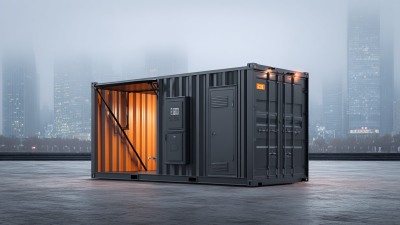
China Best Mobile Storage Containers How to Choose?
Choosing the best Mobile Storage Containers in China requires more than comparing prices on a supplier website. A reliable decision starts with the intended use. Will the container serve a household move, construction project, retail overflow, or long-term inventory storage? Each purpose demands different dimensions, floor strength, ventilation, locking systems, and delivery options. A container that looks strong in photographs may feel very different when its doors jam after heavy rain.
John Manners-Bell, a recognized logistics analyst and supply-chain strategist, has stated, “Visibility and control are central to resilient supply chains.” That principle also applies to Mobile Storage Containers. Buyers should inspect steel thickness, weld quality, roof design, container-floor materials, paint protection, and moisture resistance. They should also request production photographs, test records, loading instructions, and clear warranty terms. Small details matter. Door seals matter. Drainage matters.
Experience reveals an uncomfortable truth: the cheapest quotation is rarely the lowest final cost. Weak hinges, uneven floors, delayed transport, or unclear after-sales support can quickly consume the savings. Still, higher pricing does not automatically prove better quality. That assumption needs examination. A careful buyer should compare equal specifications, not attractive promises. Factory audits, sample inspections, and transparent communication can reduce uncertainty before payment. For Chinese manufacturers, export experience and packing standards deserve equal attention. The best choice is not simply the largest or cheapest unit. It is the container that safely fits the load, site, climate, movement schedule, and real operating habits.
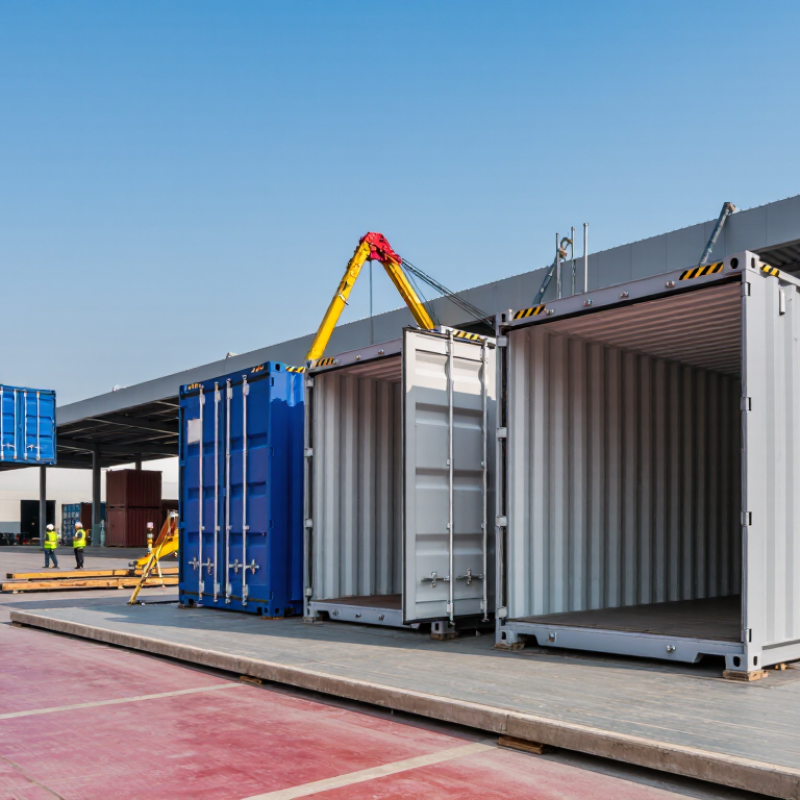
What Are Mobile Storage Containers and Why Choose China-Made Options?
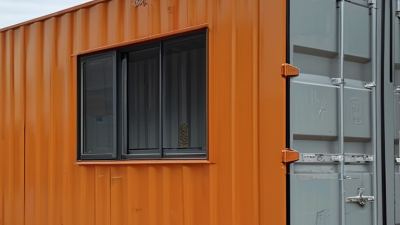
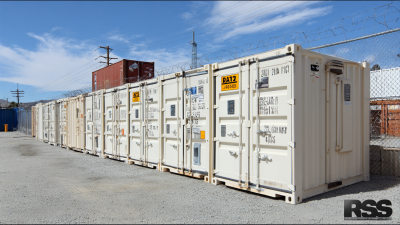
Mobile storage containers are lockable units designed to hold tools, equipment, or stock near the place they are needed. Unlike fixed storage rooms, many models can be moved by forklift or trailer when a worksite changes. Think of a steel box beside a repair crew, with shelves keeping fasteners off the damp ground. Some units are insulated or fitted with ventilation, but those features should match the stored materials and local weather. A container is only useful when its doors, floor, and access points suit daily handling.
China-made options can offer varied dimensions and configurations, supported by a broad manufacturing base. Buyers should compare steel thickness, weld finish, coating coverage, door alignment, and documented load ratings rather than relying on a low quote alone. Ask for product drawings, inspection records, packing details, and clear information about replacement parts. That matters. Shipping distance and delivery timing also affect the real cost, so confirm both before ordering. A mistake buyers sometimes make is choosing maximum capacity without checking site access; a full-size unit may not fit through a narrow gate. Not always. Reviewing a sample or detailed photographs can reveal small finish issues, though images cannot replace a proper inspection.
How to Evaluate Container Size, Materials, and Security Features
Choosing a mobile storage container starts with the items you plan to store and the space available at your site. Measure the largest item, then allow room to carry it through the door and move it inside. Measure the doorway, too. A container that fits your belongings may still be awkward to load. This estimate can be wrong if your storage needs change, so avoid choosing a size with no spare capacity.
Tips: Compare the container’s internal dimensions, not just its external size. Check usable floor space, door clearance, and whether shelves or equipment reduce the interior. For materials, inspect the frame, floor, and wall panels. Steel can handle rough use, but its coating and drainage details matter in wet conditions. Wood may suit lighter storage, though it needs regular checks for moisture or wear.
For security, look for sturdy door hinges, a protected locking point, and a lock compatible with your site’s setup. Ask how the container is anchored if it will remain in one place. A strong lock is useful, but it cannot fix a weak door or poor installation. I would inspect seams and corners in person when possible; photos can hide small gaps. Small details matter.
Choosing a Mobile Storage Container: Compare Typical Capacity
Internal volume helps compare storage capacity. Actual dimensions and usable volume vary by container design and manufacturer.
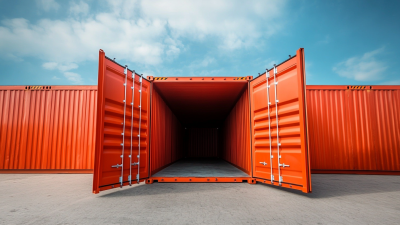
How to choose: A standard 20-foot container typically holds about 33 m³; a 40-foot standard about 68 m³; and a 40-foot high-cube about 76 m³. Treat these as approximate typical capacities, not guaranteed usable space. For materials, check the condition of the steel structure and floor. For security, look for sound door hardware and a lockbox that protects the padlock.
What Quality Standards Should China Suppliers Meet?
When comparing mobile storage container suppliers in China, ask for documented quality controls, not just polished product photos.
A current ISO 9001 certificate can indicate a managed quality system, but it does not prove every container is well made. Check that the certificate covers the actual factory and product scope.
Details matter.
Request material specifications, dimensional inspection records, and documented checks for welds, doors, hinges, and locking points. Ask how the supplier verifies load capacity and protects steel surfaces from corrosion. For weather-resistant units, clarify how seams, roof joints, and door seals are tested. Test methods and acceptance limits should be clear before production begins.
A brief report is not enough.
One uncomfortable point: a sample may pass inspection while later production varies.
Include agreed tolerances, inspection stages, and corrective-action steps in the purchase documents. A pre-shipment inspection can check dimensions, finish, door movement, and packing against those criteria. Ask for material traceability and test records for the actual batch. Requirements can differ by destination, so confirm applicable standards with a qualified local professional.
How to Compare Prices, Customization, Delivery, and After-Sales Support
Compare mobile storage container prices using the same specifications: size, steel thickness, floor rating, lock type, and delivery distance. Ask for an itemized quote covering customization, unloading, taxes, and any site-preparation costs. A low headline price can hide expensive add-ons.
Not ideal.
Customization should solve a real site need. Measure doorways and turning space, then confirm dimensions, ventilation, shelving, and access points in writing. Request drawings and a clear approval process before production. The World Bank’s 2023 Logistics Performance Index covered 139 economies and assesses factors including infrastructure and shipment timeliness. Use delivery milestones, tracking details, and a written arrival window to judge a supplier’s plan, not just its promise.
Tips:
Compare the warranty period, response time, repair coverage, and spare-part availability. Ask who handles damage reported at delivery, and keep photos of the container on arrival. One detail is easy to miss: a custom layout may take longer to replace or modify, so balance convenience against future flexibility. Before paying, confirm the final specification and after-sales contact in writing.