Essential Tips for Sourcing Stainless Steel Chains Effectively?
When sourcing Stainless steel chains, various factors come into play. The quality of materials is paramount. Stainless steel chains are known for their strength and durability, making them ideal for different applications. However, not all chains are created equal. Some suppliers may cut corners on quality, leading to unreliable products.
Understanding the specific needs of your project is crucial. Consider the environment where the chains will be used. For example, chains exposed to corrosive conditions need special grades of stainless steel. Research and ask questions to ensure you’re getting a product that meets your demands.
Another vital aspect is the supplier's reputation. Look for established manufacturers known for high-quality stainless steel chains. A reliable source can provide certifications and detailed product information. In the end, careful consideration and research are essential to making informed sourcing decisions. Choose wisely to avoid costly mistakes and ensure the performance of your stainless steel chains.
Understanding the Different Types of Stainless Steel Chains Available
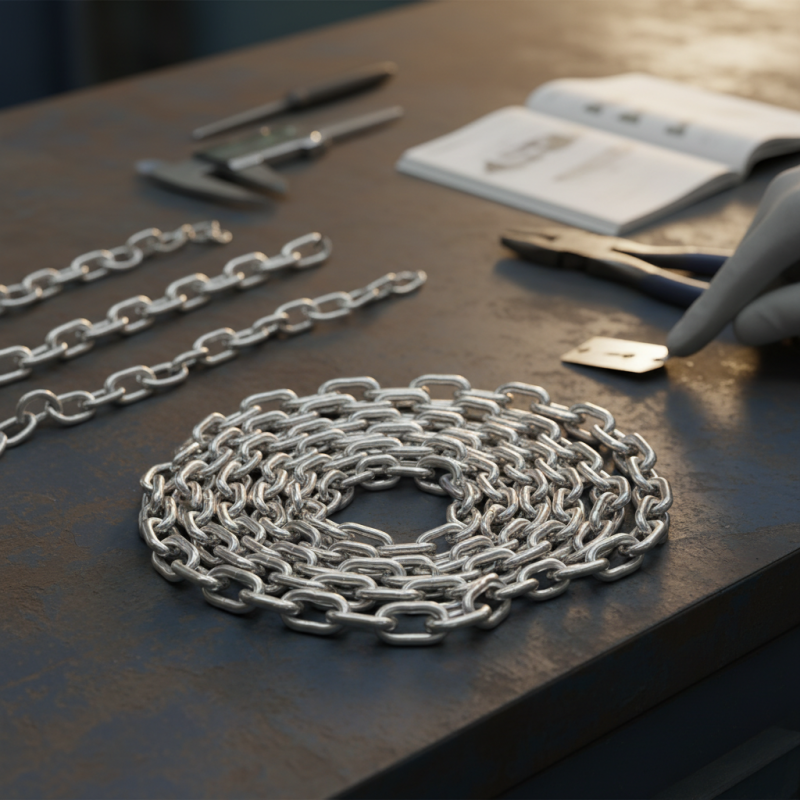
When sourcing stainless steel chains, understanding the types available is essential. There are several varieties, each suited for different applications. Most commonly, you'll encounter links made from 304 and 316 stainless steel grades. The 304 grade offers decent corrosion resistance. However, for marine environments or applications exposed to harsh chemicals, 316 grade is preferred due to its superior durability.
Data from industry reports show a significant demand for stainless steel chains in sectors such as construction and maritime. For instance, around 30% of stainless steel usage is in the construction industry. In these scenarios, choosing the right chain can influence safety and longevity. Users often overlook the specifics, such as chain thickness and load capacity, leading to potential failures or accidents.
Additionally, the manufacturing process varies between different chain types. Welded chains generally provide greater strength compared to their unwelded counterparts. Weak links in sourcing can lead to poor performance. Many companies have faced operational delays due to incorrect chain specifications. Ensure to verify the supplier's certifications to avoid making costly mistakes. Proper research reduces risks and enhances overall project efficiency.
Identifying Key Specifications for Stainless Steel Chains
When sourcing stainless steel chains, key specifications play a critical role. These specifications determine durability, corrosion resistance, and weight capacity. The most common grade for stainless steel chains is 304, known for its good corrosion resistance and formability. However, for harsher environments, 316 stainless steel is superior due to its resistance to pitting and chloride exposure.
Selecting the right wire diameter is essential. A thicker diameter provides strength but adds weight. According to industry data, the tensile strength of 304 chains can range from 70,000 to 90,000 psi. In contrast, 316 chains maintain similar properties but resist rust more effectively. It's crucial to assess the working load limit to ensure safety. Many fail to consider this parameter, which can lead to catastrophic failures.
Chain length is another specification to weigh carefully. Longer chains may be more flexible but can also lose strength under stress. Oftentimes, companies overlook the importance of chain lubrication, impacting longevity. Using quality sources for these specifications can improve reliability, ensuring you choose the right product for your application.
Essential Tips for Sourcing Stainless Steel Chains Effectively
Evaluating Quality Standards in Stainless Steel Chain Manufacturing
When sourcing stainless steel chains, evaluating the manufacturing quality is crucial. The International Stainless Steel Forum reports that quality directly impacts durability and safety. Chains must meet specific standards to perform reliably. The common standards include ASTM, ISO, and EN specifications. Adhering to these guidelines can prevent costly failures.
Inspecting the composition of the alloy is vital. A high-grade stainless steel should contain at least 10.5% chromium. Chains with low chromium content can corrode easily. Low-quality stainless steel may lead to premature wear and potential breakage. Look for certifications that confirm compliance with these standards.
A few tips can enhance your sourcing process. Request detailed chemical analysis reports. They should accompany all products. Ensure that the manufacturer provides traceability of material. This verification helps confirm the chain's origin and quality. Be cautious of unusually low prices; these often indicate compromised quality. Investing in higher-quality chains can save money over time by reducing replacements and maintenance.
Sourcing Strategies for Finding Reliable Stainless Steel Chain Suppliers
When sourcing stainless steel chains, it is important to identify reliable suppliers. Start by researching potential suppliers thoroughly. Look for companies with a strong reputation in the industry. Reading reviews and testimonials can provide insight into their reliability. Furthermore, consider their experience in manufacturing stainless steel chains. An established provider may have more resources and better quality control measures.
Networking plays a crucial role in finding suppliers. Attend trade shows, industry conferences, or workshops. Connecting with professionals in the field can lead to valuable recommendations. Engaging with other businesses can also reveal pitfalls to avoid. Many sourcing challenges arise from trusting unverified suppliers. Transparency is key; ask for certifications and samples to evaluate quality.
Price is a factor, but it should not be the only consideration. Cheaper options may compromise quality or efficiency. Explore the balance between cost and reliability. Trust your instincts and don't rush the decision. Aim for suppliers that align with your quality standards and values. Reflect on your past sourcing experiences to improve future selections.
Cost Considerations in Purchasing Stainless Steel Chains
When purchasing stainless steel chains, cost considerations are crucial. Different types of stainless steel offer varying price points. Higher grades, such as 316 stainless steel, are more expensive due to their enhanced corrosion resistance. Assessing your specific needs can help determine the appropriate grade for your project.
Quality does not always equal high price. Some suppliers offer competitive pricing without sacrificing quality. It’s essential to compare multiple vendors. Don't overlook hidden costs like shipping and taxes. These can impact your overall budget. Always request quotes that detail all potential charges.
Buying in bulk can lead to savings. However, consider your storage capabilities. Overstock can tie up capital unnecessarily. Additionally, research suppliers thoroughly to ensure they are reputable. Focus on customer reviews and past experiences. A low price can sometimes indicate poor craftsmanship. Choosing the right chain requires careful consideration of both quality and price.
Essential Tips for Sourcing Stainless Steel Chains Effectively - Cost Considerations in Purchasing Stainless Steel Chains
| Dimension | Material Grade | Unit Price (per meter) | Supplier Rating | Lead Time (days) |
| 5 mm | AISI 304 | $10.00 | 4.5/5.0 | 7 |
| 6 mm | AISI 316 | $12.00 | 4.7/5.0 | 10 |
| 8 mm | AISI 304 | $14.00 | 4.9/5.0 | 8 |
| 10 mm | AISI 316 | $16.00 | 4.8/5.0 | 12 |