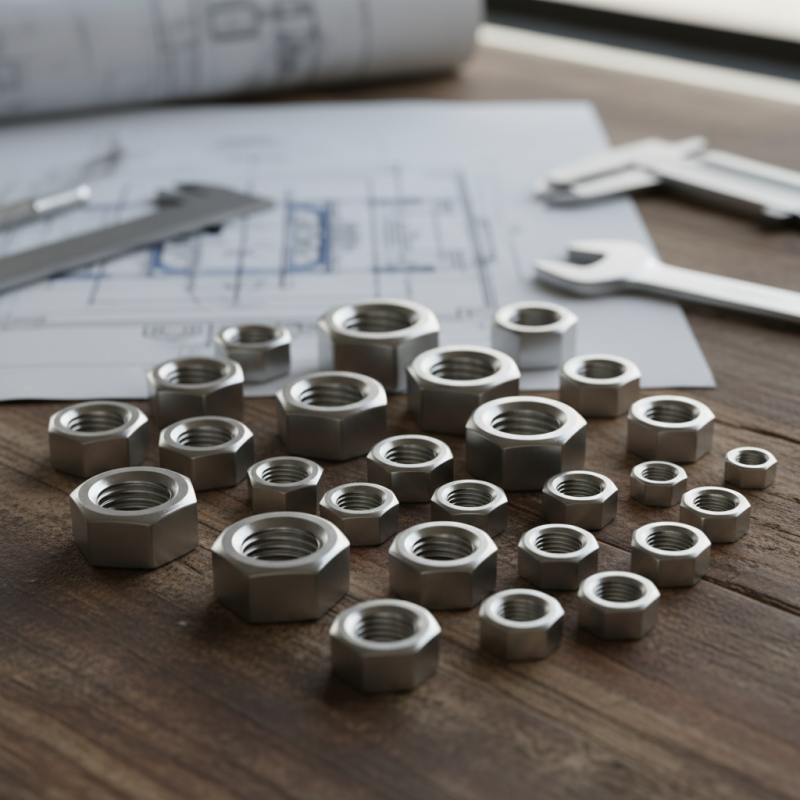
What are Stainless Hex Nuts and How to Choose Them?
Stainless Hex Nuts are essential fasteners in various industries. They provide secure fastening solutions for different applications. This type of nut features a hexagonal shape, allowing for easy use with wrenches.
Choosing the right Stainless Hex Nuts can be challenging. Factors like material grade, size, and coating matter. For example, the right size ensures a snug fit, preventing loosening over time. Material grade impacts durability, especially in high-stress environments.
Users often overlook these details. A mismatch can lead to problems later. It’s crucial to reflect before making a decision. Understanding specifications helps in selecting the optimal nut for your project. With the right knowledge, you’ll ensure reliable performance and longevity.
Understanding the Basics of Stainless Hex Nuts
Stainless hex nuts are essential components in various applications. They serve to fasten bolts and screws securely. Often used in construction and manufacturing, they are durable and resistant to corrosion. Stainless steel offers strength, making these nuts suitable for harsh environments. According to industry reports, over 70% of fastener-related failures occur due to inadequate nut quality.
Choosing the right stainless hex nut involves understanding material grades. Common grades include 304 and 316. Grade 304 is highly versatile, while grade 316 provides better resistance to saltwater and chemicals. Knowing the specific requirements of your project is vital. Don’t forget: sometimes, the most robust option is not necessary. It’s important to match the nut grade to the application.
Tips: Always check the compatibility of the nut with your bolt. Improper pairing can lead to failures. Consider the environmental factors that might affect performance. Although stainless steel is resistant, it can still corrode under certain conditions. Small details can make a big difference in your project outcomes.
Types of Stainless Hex Nuts and Their Applications
Stainless hex nuts come in various types, each suited for specific applications. Common types include standard hex nuts, locking nuts, and flange nuts. Standard hex nuts are widely used in construction and machinery. They offer reliability and strength in fastening applications. Locking nuts, on the other hand, prevent loosening due to vibrations. They are ideal for automotive and aerospace applications.
Flange nuts provide a wider surface area, distributing the load more evenly. This type is often used in sheet metal applications. Choosing the right nut is crucial for ensuring stability and durability. Many people overlook the importance of the right material. Stainless steel provides corrosion resistance, making it a preferred choice in harsh environments.
When selecting a hex nut, consider factors such as load requirements and environmental conditions. A common mistake is ignoring the thread compatibility between the bolt and nut. This can lead to expensive errors and project delays. The right hex nut can significantly enhance the overall integrity of an assembly. A small detail like this can save time and resources in the long run.
Types of Stainless Hex Nuts and Their Applications
Factors to Consider When Choosing Stainless Hex Nuts
When choosing stainless hex nuts, several key factors are essential. One crucial aspect is the material grade. Stainless steel hex nuts typically come in grades like 304 and 316. Grade 304 is suitable for most applications. However, for environments with high corrosion risk, 316 offers better protection. Knowing the right environment is vital.
Thread size is another factor. It should match the corresponding bolt or screw. Mismatched sizes can lead to weak connections. Moreover, consider the nut’s finish. Options include plain, coated, or plated. Each finish has unique properties that can affect performance and durability. Based on industry data, improper selections can result in a 30% increase in failure rates for fasteners.
Load capacity is also essential. Calculate the load requirements accurately to ensure safety. The dimensions and design of the hex nut impact this. Some designs could potentially lead to weaknesses if not properly assessed. Understanding these factors helps simplify the selection process. Many overlook the importance of each aspect, leading to costly errors.
The Importance of Material Quality in Stainless Hex Nuts
Stainless hex nuts play a crucial role in fastening applications. Their strength and durability are largely determined by the quality of materials used. Picking the right material can make or break a project. Low-grade stainless steel can corrode quickly, leading to failures.
The most common material for these nuts is 304 stainless steel. It offers good corrosion resistance. However, in highly acidic environments, 316 stainless steel is preferred due to its superior resistance. Understanding the environment where the nuts will be used is essential.
Many overlook the potential consequences of using subpar materials. A poor choice can cause structural issues down the line. It's vital to evaluate the specific needs. This includes load capacity, environmental exposure, and the need for longevity. A thoughtful selection process can save time and cost in the long run.
Best Practices for Installing Stainless Hex Nuts
When installing stainless hex nuts, proper practices can ensure durability and effectiveness. First, it's essential to select the right size and thread pitch. A tight fit guarantees security. In a study by the Fastener Quality Act, over 30% of failures were linked to improper sizing. Hence, measuring accurately is critical.
Proper torque application is equally important. Using an appropriate torque wrench can prevent over-tightening. Over-tightening can lead to structural failures. According to the International Fastener Exposition, approximately 15% of fastener-related issues arise from improper torque settings. Paying attention to torque can mitigate risks significantly.
Tip: Always lubricate stainless hex nuts before installation. Lubrication reduces friction and can improve the overall tension. It also reduces the risk of galling, a frequent issue when using stainless steel.
It's also essential to consider the assembly environment. Corrosive materials or extreme temperatures can affect stainless steel’s performance. Inadequately addressing these factors can lead to premature failure. In one case study, improper environmental considerations caused a 25% increase in maintenance costs. Planning can prevent such setbacks and extend the life of your installations.