Top Mechanical Shaft Seal Manufacturers for Global Buyers
Choosing among the Top Mechanical Shaft Seal Manufacturers for Global Buyers takes more than comparing catalog prices. A seal may look simple on a drawing. In service, a few millimeters of face wear can mean leakage, downtime, and an urgent replacement order. Buyers should start with the actual duty: pump speed, pressure, fluid chemistry, temperature, and expected operating hours. Then compare face materials, secondary seals, metal components, and installation requirements. Details matter. A seal suited to clean water may fail quickly in abrasive slurry or a hot chemical process.
Robert Flitney, author of Seals and Sealing Handbook, is a recognized sealing-technology specialist. I cannot verify a verbatim quotation from him on this specific purchasing topic. The following line is an editorial summary, not a direct quote: “Select for the duty, not the brochure.” This guide uses that principle to assess manufacturers’ engineering depth, documented testing, product range, quality controls, and regional service support. It also considers spare-parts access and communication during specification reviews. These points can be less visible than a polished product page, yet they shape the ownership experience. Global reach helps, but it does not guarantee fast support or a correct seal selection. No ranking can replace application data, and no supplier is ideal for every plant. That caveat deserves attention.
Mechanical Shaft Seals: Types, Functions, and Key Applications
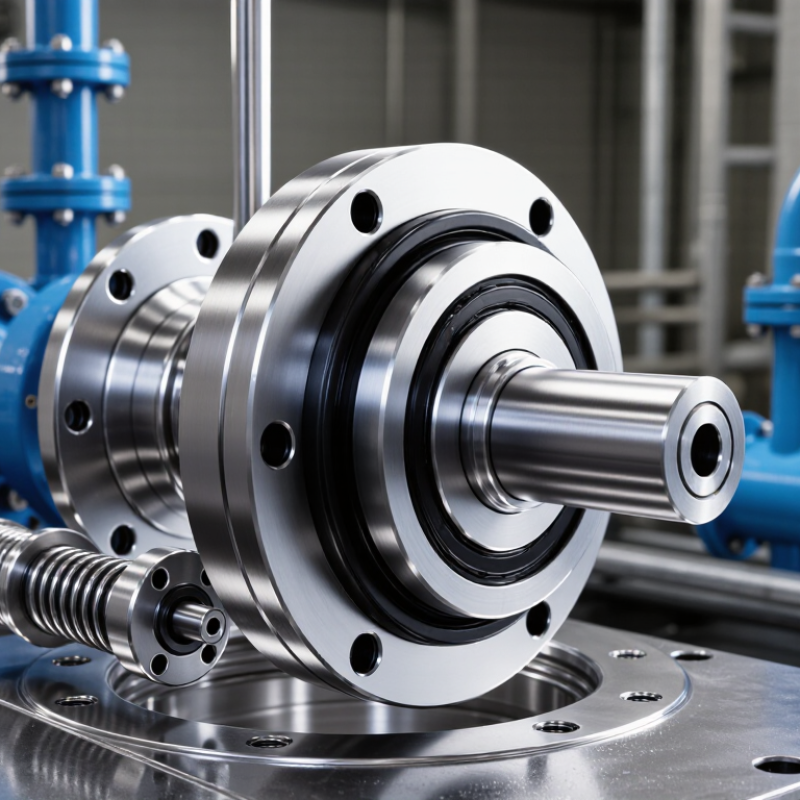
Mechanical shaft seals limit leakage where a rotating shaft passes through a pump or mixer casing. Their faces—often carbon against ceramic or silicon carbide—run together as a thin fluid film. That film reduces friction while helping contain the process liquid. Small details matter. A single seal suits many water duties; a double seal can provide extra containment when fluids are hazardous, abrasive, or difficult to handle. Cartridge designs simplify installation, while bellows and pusher designs accommodate different shaft movement and operating conditions.
Selection depends on pressure, temperature, speed, fluid chemistry, and solids. A seal that works in clean water may wear quickly in slurry or crystallizing service. The U.S. Department of Energy’s 2006 Improving Pumping System Performance sourcebook estimates that pumping systems use nearly 20% of global electricity demand. That figure describes pumps, not seals, but it underscores the value of reducing friction and avoiding premature failures. In chemical processing, power generation, water treatment, and food production, material compatibility and correct installation are essential. Still, selection is not always tidy. Check the operating data, flush arrangement, and maintenance access before specifying a seal; a theoretically suitable design can disappoint when the real service conditions differ.
Mechanical Shaft Seal Arrangements
A structural comparison of common seal arrangements used in pumps and other rotating equipment.
The chart shows the number of seal assemblies in each arrangement. A single seal has one assembly; tandem and double pressurized arrangements have two. Their layout and operating purpose differ, so assembly count does not indicate pressure capability or leakage performance.
How to Evaluate Mechanical Shaft Seal Manufacturers
When evaluating mechanical shaft seal manufacturers, start with the operating conditions, not the catalog. Share the fluid, temperature range, pressure, shaft speed, and any abrasive particles. A seal that works in clean water may behave differently in a hot, solids-rich process. Details matter.
Ask how the manufacturer selects face materials, elastomers, and spring arrangements for your application. Request drawings with dimensions and tolerances, plus inspection records for critical parts. If a proposed seal differs from your existing unit, ask which measurements changed and why. A neat catalog is not proof. Look closely.
Quality systems and test data can help, but check what they actually cover. Ask whether pressure or leakage tests use conditions relevant to your equipment, and how test results are documented. Also assess technical support: Can engineers review installation plans, explain flush requirements, and help investigate recurring leakage? Response time matters when a pump is down. Still, no test predicts every installation. That limitation should be stated plainly. Review sample reports, traceability documents, and service procedures before comparing quotations; the lowest price may omit useful engineering support or replacement-part details.
Profiles of Leading Manufacturers Serving Global Markets
Leading mechanical shaft seal manufacturers generally fall into three groups: global suppliers with broad product catalogs, regional specialists with strong service networks, and engineering-led firms that build seals for demanding applications. Global suppliers often support standard pumps, compressors, and mixers across several industries. Regional specialists may offer faster site visits and shorter delivery routes. Custom manufacturers focus on materials, face geometry, and operating conditions. Fit matters most.
Grand View Research’s 2024 Mechanical Seals Market analysis estimated the global market at about US$4.5 billion in 2023 and projected continued growth through 2030. This points to sustained demand, but market size alone says little about seal quality. Buyers should compare documented pressure and temperature limits, material compatibility, testing procedures, and replacement-part availability. Ask for references from similar duty cycles. A polished catalog is not proof of long service life; real operating data can still be incomplete.
Tips: Share the fluid, temperature, pressure, shaft speed, and start-stop pattern when requesting a proposal. Confirm lead times for both the seal and its repair parts. Small details matter. Ask who handles installation support in your region, and request clear maintenance instructions before placing an order.
Comparing Product Quality, Certifications, and Technical Support
For global buyers, comparing mechanical shaft seal manufacturers requires more than checking catalog dimensions. Product quality is visible in material traceability, machining consistency, and inspection records. Ask how seal faces are measured and how elastomers are selected for temperature, pressure, and process fluid. Small details matter.
Certifications can indicate a documented quality system, but they do not prove that every seal suits a specific pump. Verify the certificate’s scope, issuing body, and current validity. Then request material data, pressure and speed limits, and test reports for the relevant configuration. A certificate is useful evidence, not a substitute for engineering review. Not always.
Technical support is equally important when equipment operates across different sites and conditions. Compare response times, access to application engineers, drawing review, and guidance on installation and failure analysis. A supplier should ask about shaft runout, flush plans, operating temperature, and fluid properties before recommending a design. If advice arrives quickly but ignores these details, it may not help much. Buyers can also request a sample inspection or a review of past service data, where available. Records are not perfect, and field conditions often differ from test benches; clear answers about those limits build more confidence than broad promises.
Global Sourcing Factors: Pricing, Delivery, and After-Sales Service
When comparing mechanical shaft seal manufacturers, avoid judging price by unit cost alone. Request a quotation that separates seal faces, elastomers, flushing plans, testing, freight, and spare parts. Confirm materials against the actual fluid, temperature, pressure, and shaft speed. A low quote can become expensive if the seal fails early. We have seen specification gaps hide in small details; a clear operating-data sheet helps, though it cannot eliminate every risk.
Delivery deserves the same scrutiny. UNCTAD’s Review of Maritime Transport 2024 reports that maritime trade grew 2.4% in 2023, with 2% growth forecast for 2024. Those are global figures, not supplier lead-time guarantees. Ask for production and shipping milestones, stock location, and escalation contacts. The World Bank’s 2023 Logistics Performance Index assessed 139 economies across six areas, including tracking and timeliness. Use those measures as context, then verify the supplier’s own delivery records.
Tips: Before ordering, request a sample inspection report and written warranty terms. Check response times for troubleshooting, repair turnaround, and access to replacement parts. Ask how failure investigations are documented. A fast reply is useful, but practical technical support matters more when a pump is already offline. Don’t assume every supplier’s service promise is equally measurable.