Choosing a reliable Oxygen Generator supplier in China requires more than comparing prices. Buyers must assess output capacity, oxygen purity, operating pressure, energy use, and service support. These details matter in hospitals, laboratories, manufacturing plants, and remote facilities where interruptions can affect daily operations.
Professional guidance helps define the right questions. The World Health Organization’s 2020 technical guidance, Oxygen Sources and Distribution for COVID-19 Treatment Centres, outlines practical considerations for oxygen supply and distribution. UNICEF’s Oxygen System Planning Tool also supports facilities in estimating demand and evaluating system options. Neither resource ranks manufacturers, but both help buyers check whether a supplier’s equipment matches real operating needs. Ask for documented performance data, installation references, maintenance schedules, and clarity on spare-parts availability. Request evidence, not promises.
China’s supplier landscape includes manufacturers offering pressure swing adsorption systems, modular plants, and packaged solutions. Specifications can look similar on paper. They may not perform alike under local conditions, especially where temperatures, power quality, or demand fluctuate. A careful comparison should include factory testing, commissioning support, warranty terms, and the cost of routine maintenance. No supplier is perfect. Some catalog claims also deserve closer review. This guide introduces notable China Oxygen Generator manufacturers and suppliers, with attention to product scope, technical capability, and verifiable service information. Use it as a starting point, then confirm each detail directly with the manufacturer.
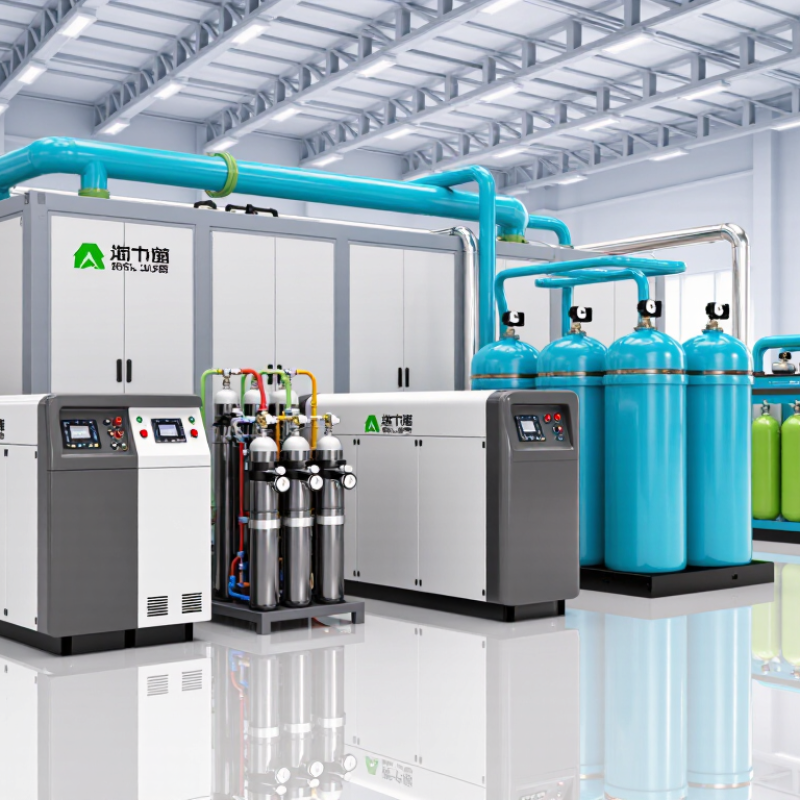
Understanding Oxygen Generators and Their Industrial Applications
An oxygen generator separates oxygen from compressed air, rather than storing it in delivered cylinders. Many industrial systems use pressure swing adsorption, while membrane units suit some lower-purity needs. Output purity and flow rate depend on the technology and operating conditions. That distinction matters. Wastewater plants may use oxygen to support biological treatment, while glassmaking and metal processing can use it to improve combustion. Aquaculture facilities also use oxygen to maintain suitable water conditions. Each process has different demands.
Tips: Check required purity, peak flow, inlet-air quality, and operating hours before choosing a system. Ask how performance changes during maintenance or hot, humid weather. A specification sheet alone may not tell the whole story.
Sizing deserves careful attention. An undersized unit may struggle during production peaks; an oversized one can waste energy and capital. Compare the generator’s stated output with actual site measurements, and include compressors, dryers, filters, and ventilation in the assessment. Review monitoring and maintenance needs, too. Oxygen concentration can drift if equipment is neglected. The practical choice is not always the unit with the highest rated capacity. Process conditions change, and forecasts can be wrong. A site trial or engineering review may expose assumptions that looked fine on paper.

Assessing oxygen generator manufacturers and suppliers in China starts with your actual operating needs. Define required oxygen purity, flow rate, inlet conditions, operating hours, and installation environment before comparing quotations. A system rated for one set of conditions may deliver different performance at another. Numbers need context. Ask suppliers for technical data showing output and purity at stated operating conditions, plus clear descriptions of the generation method, controls, and alarms. Request test records and quality documents, then check that model numbers match across the quotation, drawings, and reports.
Look beyond the equipment price. Ask who handles commissioning, operator training, routine maintenance, and urgent troubleshooting, and confirm typical response times in writing. A credible supplier should explain consumable replacement intervals and provide a practical spare-parts list. If possible, review the production and testing areas, or arrange a live acceptance test using calibrated instruments. Ask for references from installations with similar capacity and duty cycles. A polished brochure is not proof. It is easy to overvalue low pricing or impressive purity figures while overlooking service access and energy use; I would question any offer that lacks measurement conditions. Compare warranty limits, delivery schedules, and documentation carefully, and record unresolved technical questions before placing an order.
Use this checklist to compare suppliers on verifiable technical and service evidence. Performance figures are general reference points, not guarantees; confirm the required purity, flow, pressure, operating conditions, and applicable standards for each project.
| Assessment Dimension | What to Check | Useful Reference or Evidence | Questions for the Supplier |
|---|---|---|---|
| Generation technology | Confirm whether the system uses pressure swing adsorption (PSA), vacuum pressure swing adsorption (VPSA), or another process, and whether it suits the intended duty. | Process description, equipment list, operating sequence, and a clearly stated design basis. PSA and VPSA use adsorbents to separate oxygen from air; their configurations and operating conditions differ. | Which process is proposed, and what site conditions and operating profile was it selected for? |
| Oxygen purity | Check the guaranteed oxygen concentration at the specified flow and operating conditions. Do not compare purity figures without checking how and where they are measured. | PSA systems commonly produce oxygen in the approximate 90–95% range, depending on design and operating conditions. Medical use may require compliance with specific local rules and product specifications. | What purity is guaranteed at rated flow? Is the figure measured continuously at the product outlet, and what test method is used? |
| Rated flow and turndown | Match continuous and peak demand to the offered capacity. Check whether stated output is oxygen product flow at the specified purity and pressure. | Request a performance curve or test record showing flow against purity and pressure. Confirm the rated conditions, allowable operating range, and whether capacity changes with ambient conditions. | What are the minimum, normal, and peak demand conditions? How does purity change when the unit operates below or above its rated output? |
| Delivery pressure and downstream equipment | Verify product pressure at the generator outlet and whether additional compression, storage, filtration, or drying is included. | Process flow diagram, pressure-drop allowance, compressor specifications if applicable, and a list of included and excluded equipment. | Is the quoted pressure available at the generator outlet or at the point of use? Which components are included in the scope? |
| Power consumption | Compare energy use at equivalent purity, flow, pressure, and ambient conditions. Clarify whether the quoted figure covers the complete package. | Request measured or guaranteed power consumption at defined operating points, including the compressor and other package equipment where applicable. | What is the expected power draw at rated output, and which motors and auxiliary systems are included in that figure? |
| Design and quality documentation | Review engineering documentation, component traceability, inspection records, and quality controls relevant to the product and project. | Request a technical datasheet, drawings, bill of materials, inspection and test plan, and copies of applicable certificates. Verify certificates with the issuing organization and confirm their scope and validity. | Which standards and certifications apply to this exact model and intended use? Can the supporting documents be independently verified? |
| Factory acceptance and performance testing | Agree on acceptance criteria before production or shipment, including test conditions, instruments, sampling points, and pass/fail limits. | A written factory acceptance test (FAT) protocol and signed results for purity, flow, pressure, alarms, and other contract requirements. Site acceptance testing may also be needed. | Can the customer or an independent inspector witness the FAT? What happens if a contractual performance test is not passed? |
| Safety and system protection | Check alarms, shutdown logic, pressure protection, oxygen-compatible materials, ventilation needs, and procedures for safe operation. | Risk assessment, operating and maintenance manuals, alarm and interlock list, and project-specific safety documentation. Requirements vary by application and jurisdiction. | Which hazards and protective measures are covered in the design, and what site safety provisions are required? |
| Installation and commissioning | Establish who is responsible for foundations, utilities, piping, electrical work, commissioning, training, and final performance checks. | Scope-of-supply matrix, installation drawings, commissioning plan, utility requirements, and training materials. | Which services are provided locally, what is excluded, and what information must the buyer prepare before installation? |
| Maintenance and spare parts | Assess service intervals, consumables, expected replacement parts, troubleshooting support, and availability of service personnel. | Maintenance schedule, recommended spare-parts list, warranty terms, service response commitments, and clear instructions for routine tasks. | Which parts require periodic replacement, how are they sourced, and what response time is contractually available? |
| Supplier verification | Confirm the legal contracting entity, manufacturing or assembly capability, export experience, and responsibility for subcontracted components. | Business registration details, factory or production records, references for comparable installations, and a written list of key subcontractors. Verify information independently. | Who will manufacture, test, install, and support the system? Can the supplier provide references for comparable capacity and application? |
| Commercial terms and lifecycle cost | Compare the full project scope rather than purchase price alone, including freight, installation, commissioning, maintenance, and warranty coverage. | Itemized quotation, delivery schedule, payment milestones, warranty exclusions, and a stated basis for any lifecycle-cost estimate. | Are performance guarantees and remedies written into the contract? Which costs or services are excluded from the quotation? |
China’s oxygen generator manufacturers supply equipment across several capacity ranges and operating methods. Many product lines include pressure swing adsorption units for on-site oxygen production. Smaller systems serve clinics, laboratories, and workshops. Larger packages support aquaculture, glass processing, metal cutting, and wastewater treatment. Some suppliers also offer vacuum pressure swing adsorption or cryogenic systems for higher flow requirements. Capacity and purity depend on feed air, site conditions, and operating settings.
A typical package may include an air compressor, dryer, filters, adsorption towers, oxygen receiver, and control panel. Portable skids can fit compact utility rooms, while industrial installations need space for ventilation and maintenance access. Product sheets often list flow rate and oxygen concentration, but operating pressure, dew point, noise, and energy use matter too. These details are easy to overlook. Published ranges are not guarantees; request test data for the intended application and confirm service support before comparing quotations.
Tips: Match the generator to peak demand, not just average consumption. Ask for a performance curve and confirm output at the required purity and pressure. Check filter replacement intervals, alarm functions, and spare-parts availability. A low purchase price may hide higher power or maintenance costs. Measure the installation area first. Small omissions can delay commissioning.
When comparing suppliers, look beyond advertised oxygen purity. Ask how the generator maintains output as demand changes, and request flow-rate data at the stated purity and pressure. PSA systems are common for on-site production, but performance depends on sizing, feed-air quality, and maintenance. Ask for operating limits, noise levels, and service intervals. A polished specification sheet is useful, but actual site conditions can be less tidy.
Certifications need careful checking. Request current documents, confirm their scope, and make sure they apply to the exact equipment model and intended market. Also ask what testing supports the stated performance figures. Customization may include control interfaces, alarms, outlet pressure, skid layout, or remote monitoring. Define these needs early and get them recorded in the quotation. Small details matter. A vague service promise is not a technical plan.
Tips: Share your peak and average oxygen demand, operating hours, installation space, and available utilities. Ask for a written acceptance-test procedure and spare-parts list. Compare support response times, not just equipment prices. If a supplier cannot explain a key specification plainly, pause and ask again. Some requirements may change after a site survey.
When sourcing an oxygen generator in China, define the operating conditions before comparing quotations. Specify required oxygen flow, outlet pressure, purity, daily duty cycle, and installation environment. A unit designed for steady use may not suit frequent demand changes. Small details matter.
For PSA systems, ask how the supplier measures purity and output during a witnessed test. Request test records at your expected operating load, not only at a convenient factory setting. Check compressor capacity, air-treatment stages, alarm functions, power requirements, and noise levels. Test under load. A clear technical file should include maintenance intervals, consumable specifications, and recommended spare parts. If the figures in a quotation differ from the test report, ask for an explanation in writing.
Support can be as important as the equipment itself. Confirm who provides commissioning, operator training, troubleshooting, and replacement parts, and ask for realistic response times. Review the warranty terms and clarify which components are covered. Factory visits or independent inspections can help verify assembly practices and quality controls. Yet a polished inspection does not guarantee years of reliable operation. Discuss service arrangements for your location, and leave room in the schedule for shipping, installation, and acceptance testing.
Compare typical product oxygen purity ranges when evaluating oxygen generator specifications and supplier test reports.
PSA and VPSA systems commonly produce oxygen in the 90–96% range, while cryogenic separation can produce higher-purity oxygen. Actual purity depends on system design and operating conditions; confirm the required specification with applicable standards and independent test documentation.