Top 10 Shuttle Racking System Manufacturers Worldwide?
Choosing a Shuttle Racking System is not just a matter of buying more storage. It changes how pallets move, how space is used, and how quickly operators can reach goods. A well-matched system can support dense storage and reduce forklift travel inside aisles. But performance depends on the warehouse, the pallet load, and daily operating patterns. Details matter.
This guide introduces ten manufacturers with international market presence and experience in automated or semi-automated storage solutions. It is an overview, not a universal ranking. Manufacturers differ in engineering capability, product range, local support, and integration expertise. Some may be strong in high-throughput facilities, while others suit simpler operations. That distinction is easy to miss.
When comparing suppliers, look beyond promotional claims. Check load specifications, shuttle control features, rack compatibility, safety provisions, spare-parts availability, and service response in your region. Ask for references from facilities with similar products and operating conditions. A cold store, for example, can place different demands on equipment than a standard distribution warehouse. One figure rarely tells the whole story.
The companies discussed here should be assessed against your site requirements, not merely their name recognition. Request technical documentation and a layout review before making a decision. Even experienced teams can overlook small constraints, such as pallet variation or charging access. That is worth reflecting on. A careful comparison can help identify a supplier whose system fits both today’s workflow and realistic plans for future growth.
What Is a Shuttle Racking System?
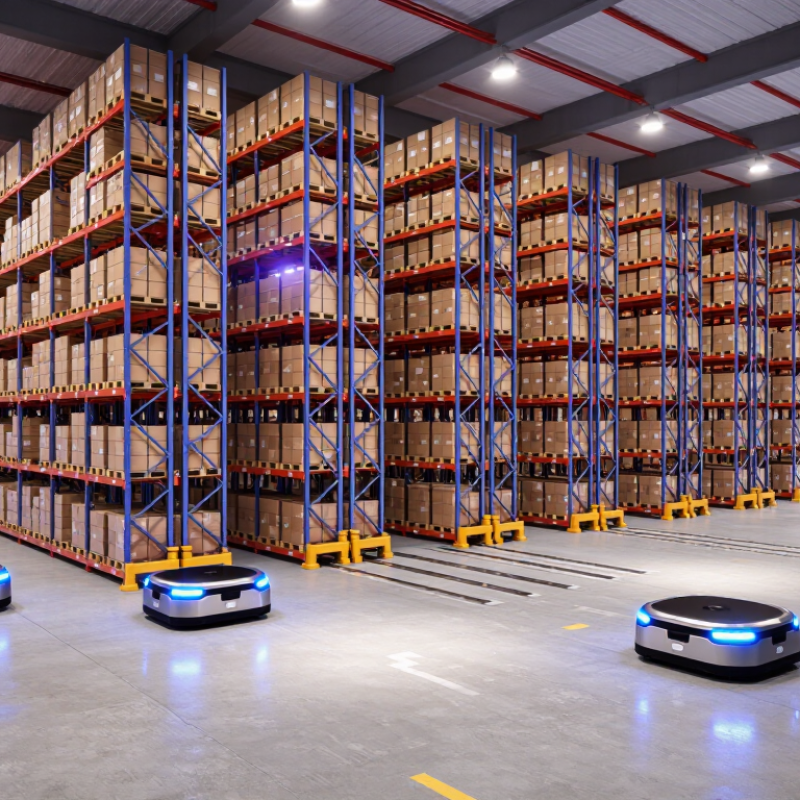
A shuttle racking system stores pallets in deep lanes, using a powered shuttle that travels along rails inside each lane. A forklift places a pallet on the shuttle, which moves it to an available position or retrieves it for pickup. Forklifts mainly work at the aisle ends. That matters. Compared with selective pallet racks, this arrangement can store more pallets in a smaller floor area, though access to individual pallets is less direct.
Depending on the design and operating sequence, a system can support first-in, first-out or last-in, first-out handling. It suits operations with many pallets per product and steady, repeatable flows. It is not a cure-all. Pallet dimensions, load stability, lane depth, charging, and software controls all affect performance. A poorly matched lane can create delays rather than save time. MHI’s 2024 Annual Industry Report found that 55% of surveyed supply-chain professionals planned to increase investment in robotics and automation. That figure signals broader interest in automation, not proven demand for shuttle racks specifically. Before choosing a system, operators should compare expected throughput with real order patterns and peak shifts.
What Is a Shuttle Racking System?
Illustrative pallet capacity by lane depth
A shuttle racking system uses a powered shuttle to move pallets through storage lanes. This example shows one pallet position per lane depth; actual capacity depends on the warehouse layout, pallet size, and system design.
How Shuttle Racking Systems Operate in Modern Warehouses
Top 10 Shuttle Racking System Manufacturers Worldwide?
How Shuttle Racking Systems Operate in Modern Warehouses
A shuttle racking system stores pallets in deep lanes, using a powered shuttle to move loads along rails. A forklift places the shuttle and pallet at the lane entrance. The shuttle then carries the pallet to an available position, guided by controls and onboard sensors. For retrieval, it brings the selected pallet back to the aisle. The forklift does not need to enter the rack, which can reduce travel inside storage lanes. Shorter forklift movements matter.
In modern warehouses, operators typically select a storage strategy that matches their inventory flow. Some systems support first-in, first-out handling; others suit last-in, first-out access. The right choice depends on product rotation, lane depth, pallet condition, and daily order patterns. Sensors can help detect obstacles or confirm position, but they do not replace inspections and trained operators. One detail is easy to overlook: a shuttle can speed up a poor slotting plan, too.
Tips: Check pallet dimensions and load stability before choosing lane depth. Keep rails clean, and inspect shuttle wheels, batteries, and sensors on a regular schedule. Test recovery procedures with staff before peak periods. There is no perfect setup; even a well-designed system may need adjustment when inventory changes.
Key Factors for Evaluating Shuttle Racking Manufacturers
When evaluating shuttle racking manufacturers, look beyond quoted storage capacity. Ask for a layout based on your actual pallet dimensions, load weights, and SKU turnover. A system built for uniform cartons may struggle with damaged pallets or uneven loads. Small details matter.
Check the shuttle’s rated load, travel speed, battery life, charging method, and behavior during faults. Request measured throughput under your expected operating pattern, not only peak figures.
MHI’s 2024 Annual Industry Report found that 55% of respondents planned to increase supply-chain technology investments over five years. That trend makes software integration important: confirm how the control system exchanges inventory and task data with your warehouse software.
The International Federation of Robotics reported 541,302 industrial robot installations worldwide in 2023, in its World Robotics 2024 report. This broader automation growth raises the value of dependable interfaces and maintenance support.
A polished demo can still hide a poor fit. I would not judge performance by speed alone; real pallets rarely behave like demo loads. Ask for references from sites with similar temperatures, aisle layouts, and shift patterns, then verify spare-parts availability and technician response times.
Top 10 Shuttle Racking System Manufacturers Worldwide
Top 10 Shuttle Racking System Manufacturers Worldwide
A worldwide comparison of shuttle racking manufacturers should look beyond headline rankings. Supplier strengths vary by market, project size, and the type of shuttle technology offered. A useful shortlist checks system capacity, control software, safety features, installation support, and access to spare parts. Claims deserve verification. Ask for project references with storage conditions similar to yours.
In a working warehouse, the details become visible quickly. A shuttle must travel reliably through the channel, while sensors and controls help prevent collisions and misplaced pallets. Check the rated load, pallet dimensions, aisle layout, and performance at the expected operating temperature. Request drawings and a clear description of how the system handles faults. Small details matter.
The phrase “top 10” can suggest a fixed global order, but rankings often depend on the criteria and region used. Some manufacturers focus on high-throughput distribution sites; others may suit smaller facilities or simpler retrofits. Compare lifecycle costs, not just equipment prices, and ask who will commission and maintain the system locally. One gap in many evaluations is real operating data: published throughput figures may not reflect your pallet mix, shift pattern, or maintenance routine. A careful buyer tests those assumptions before choosing a supplier.
How to Compare Manufacturers and Select the Right System
Comparing shuttle racking manufacturers starts with your actual operating data, not a brochure. Share pallet dimensions, maximum load, SKU count, and daily movement patterns. Ask each supplier to explain how these figures shape channel depth, shuttle quantity, and system capacity. A capacity estimate without clear assumptions is hard to verify.
Check the details. Request drawings that show rack clearances, travel paths, and access for maintenance. Ask how the shuttle handles low battery levels, communication loss, and uneven pallet placement. These scenarios can disrupt a shift. Also compare controls, operator training, spare-part availability, and response times for technical support. A polished demonstration is useful, but it cannot replace references from facilities with similar loads and workflows.
Price matters, but compare installation, software, batteries, inspections, and future expansion too. Confirm which performance figures are guaranteed and how they will be tested after commissioning. If possible, model a busy day and a quieter one; a system tuned only for peak throughput may cost more than the operation needs. One detail is easy to miss: ask who coordinates rack installation with floor tolerances and site measurements. Even careful plans can need revision when real conditions differ. Notice how the manufacturer handles those changes.