Get A Free Quote

What Is an Optical Sorter and What Are Its Applications?

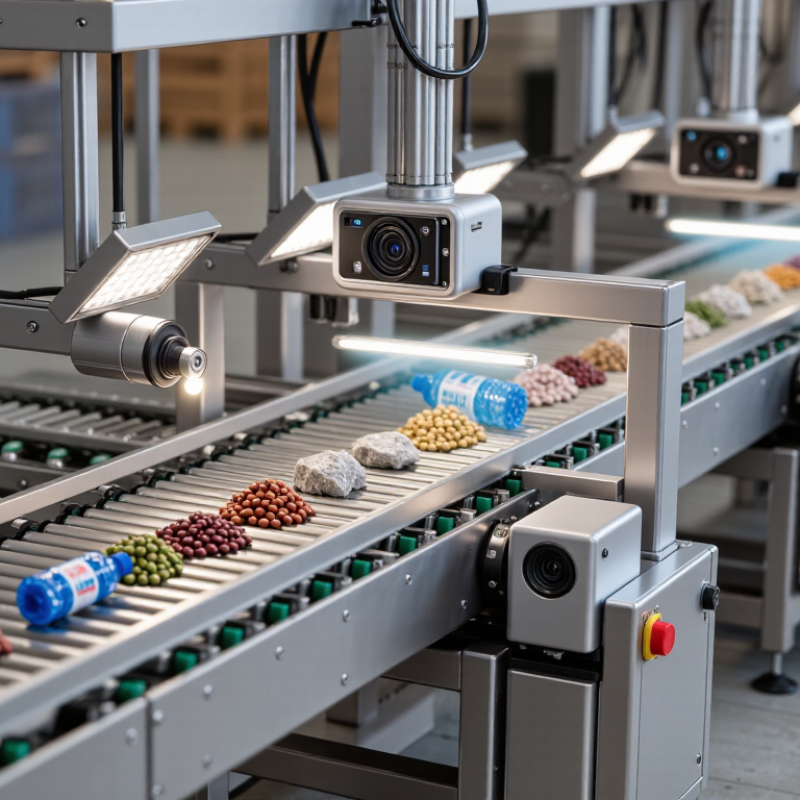
Optical sorting turns a fast-moving stream of material into data-driven decisions. A conveyor carries pieces beneath cameras, lights, and sensors. The system reads color, shape, size, or material signatures, then directs selected items with timed air jets or mechanical gates. A fraction of a second matters. So does a clean camera lens.

Optical Sorter Applications span food processing, recycling, mining, and other industries that handle mixed materials. In a food plant, a sorter may spot a discolored bean or a foreign fragment among thousands of products. In recycling, it can separate PET bottles from other plastics by recognizing their material signatures. In mining, sensor-based systems help distinguish valuable rock from lower-value material. Results depend on the feed, calibration, lighting, and maintenance. They are not automatic guarantees of perfect purity.

A practical introduction should also be candid about its limits: an optical sorter cannot identify every defect, and poor setup can lead to missed targets or unnecessary rejects. Dr. Volker Rehrmann is a recognized optical-sorting industry leader, but no source text was provided to verify a direct quotation from him. Rather than invent one, this overview uses this editorial principle: “A sorter is only as reliable as the material it sees and the decisions it is configured to make.” The following sections explain how the equipment works, where it is used, and what operators should consider when choosing an application.
What Is an Optical Sorter and What Are Its Applications?

Optical Sorter Definition: Sensor-Based Separation in Industrial Processing

An optical sorter separates materials by reading their visible or near-infrared properties as they move along a conveyor. A camera or other sensor captures each item under controlled lighting. Processing software compares the signal with selected criteria, such as color, shape, size, or material type. When an item does not match the target, a timed air jet or mechanical gate redirects it into a separate chute. The process happens quickly, but accurate separation depends on steady material flow and careful setup.

These machines are used in food processing to remove discolored produce or foreign material, and in recycling plants to distinguish plastics, paper, and glass. Mineral processors may also use sensor data to separate rock by color or composition. A practical detail often overlooked is presentation: overlapping pieces can hide useful features, while dust or changing light can weaken readings. Calibration and routine cleaning matter. No sensor sees everything. Operators may need to adjust thresholds when incoming material varies, and borderline items can still be misclassified. Optical sorting improves consistency, but it does not replace inspection, testing, or knowledgeable process control.

What Is an Optical Sorter and What Are Its Applications? - Optical Sorter Definition: Sensor-Based Separation in Industrial Processing
Application Typical Feed Material Common Sensor Technology What the Sorter Detects Typical Separation Goal
Grain processing Wheat, rice, corn, and other cereal grains Color cameras; near-infrared (NIR) sensors in selected systems Color differences, visible defects, foreign material, or differences in spectral response Remove discolored or damaged kernels and unwanted material from usable grain
Nuts and seeds Almonds, peanuts, sunflower seeds, and similar products Color cameras; NIR or laser-based sensing where suitable Surface color, shell fragments, visible damage, and selected material-composition differences Separate defective product and foreign material from acceptable nuts or seeds
Fresh and frozen produce Potatoes, berries, vegetables, and cut produce Color cameras; NIR sensors for selected product and defect types Color, shape, surface blemishes, and—in suitable applications—spectral differences associated with defects Remove visibly defective pieces or unwanted material while retaining acceptable produce
Recycling Mixed plastic flakes, packaging, glass, or other prepared recyclables NIR sensors for polymer identification; color cameras for color-based sorting Material-specific spectral signatures, color, and visible object characteristics Separate selected material types or colors into more consistent recycling streams
Mineral processing Prepared rock, ore, or industrial minerals Color cameras; NIR or laser-based sensors selected for the material Differences in surface color, reflectance, or other detectable optical properties linked to material type Separate particles with different detectable characteristics before or during downstream processing
Coffee processing Green coffee beans Color cameras; selected systems may use additional optical sensing Discoloration, visible defects, and foreign material Remove defective beans and contaminants from the product stream
General industrial sorting Discrete, singulated items on a conveyor or chute Color, NIR, or laser-based optical sensors, depending on the target material Differences in color, reflectance, spectral response, or other measurable optical features Direct accepted and rejected items into separate streams using timed air jets or mechanical diverters

Key Components: RGB and NIR Sensors Across 400–1,700 nm

An optical sorter examines products as they pass along a belt or chute, then removes selected items using timed air jets. Its sensors do more than take a picture. RGB cameras measure reflected red, green, and blue light across much of the visible range, roughly 400–700 nm. They can flag clear visual differences, such as a dark spot on a pale grain or a discolored piece of produce.

Near-infrared sensors extend inspection toward 1,700 nm. This region can reveal differences in material composition or moisture that ordinary color images may miss. Some systems combine visible and NIR data, while others use separate sensor types suited to different wavelength ranges. Coverage is not the same as continuous measurement. A sorter may sample selected bands, and sensor response depends on its design and calibration. That distinction matters.

On a production line, a piece of plastic may look similar to another under RGB light but reflect NIR differently. The system compares those signals with set thresholds, then triggers an air jet at the right moment. Real materials are not perfectly consistent, though. Dust, surface coatings, changing moisture, and overlapping shapes can confuse readings. Operators may need to test samples and adjust settings; even careful calibration has limits.

What Is an Optical Sorter and What Are Its Applications?

Key components: RGB and NIR sensors across approximately 400–1,700 nm

Optical sorters use sensors to inspect materials and separate items based on their detected properties. RGB imaging supports visible-color and surface inspection, while NIR sensing can help distinguish materials by their spectral characteristics, such as identifying different plastics. The ranges shown are approximate; actual sensor response varies by sensor and system.

Sorting Process: Detect, Classify, and Eject Target Materials

An optical sorter examines products as they move along a belt or through a chute. Sensors capture details such as color, shape, size, or material response. As material passes beneath the inspection area, controlled lighting helps reveal small differences, even on uneven surfaces. That matters. Dust, shadows, and overlapping pieces can affect what the sensors see.

Software compares each item’s detected features with preset acceptance rules. A discolored grain, a chipped nut, or a piece of glass among clear fragments may be assigned to a reject category. The rules need careful adjustment for the product and its condition. A color difference that looks obvious on a screen may not reliably separate good material from unwanted material at full speed.

Once an item is classified, the sorter tracks its position and triggers an air nozzle at the right moment. A brief pulse redirects the target into a separate chute while acceptable material continues forward. Timing is critical. If the pulse arrives late, it may remove good material or miss the target. Operators can review samples and adjust settings as product conditions change. Dust buildup, belt speed, and irregular feeding can all affect results. Not every time. Regular checks help reveal when the equipment’s decisions no longer match the actual material stream.

Food Applications: Removing Defects and Foreign Materials from Crops

An optical sorter uses cameras and sensors to inspect crops as they move along a belt or chute. It compares visible features, such as color, shape, and size, then uses timed air jets to separate selected items. In food processing, this can remove discolored kernels, damaged beans, and unwanted material such as husks or small stones. The exact results depend on the crop and the settings.

A close look helps. A dark spot on a bean may signal damage, while a naturally varied shade may be harmless. Sorters can reduce manual inspection and support consistent product quality, but they do not identify every hazard. Dust, overlapping pieces, or changing crop conditions can affect detection. Operators still need regular checks and suitable upstream cleaning. That detail is easy to underestimate.

Tips: Keep lenses clean and feed crops in an even layer. Test settings with real samples from each harvest. Review rejected items, too; useful food may be discarded when thresholds are too strict.

Recycling and Mining: Separating Materials by Color and Composition

An optical sorter uses cameras, controlled lighting, and sensors to inspect material moving along a conveyor. In recycling plants, it can identify clear PET bottles, colored containers, paper, or unwanted fragments by their visible features. Some systems also read spectral signatures, helping distinguish materials that look similar. A sensor processes each item in milliseconds, and a timed air jet sends selected pieces into a separate chute. In mining, optical sorting can separate ore-bearing rock from waste based on color, texture, or reflected light. Color alone is not always enough.

Tips: Keep material spread in a single layer. Dust, moisture, and overlapping pieces can confuse sensors. Check sample results regularly.

Sorting performance depends on the material and how cleanly it reaches the sensor. A wet rock may reflect light differently from a dry one. Labels, shadows, and worn surfaces can also affect identification. Even a well-tuned line makes mistakes; routine sampling helps reveal what the sorter misses. Operators can adjust thresholds and conveyor speed, but tighter separation may reduce throughput. Test representative material before changing settings, and track both product quality and rejected material.

crossmenu linkedin facebook pinterest youtube rss twitter instagram facebook-blank rss-blank linkedin-blank pinterest youtube twitter instagram