Get A Free Quote

What Is the Best Weatherproof Tape from China?

Choosing the best Weatherproof Tape from China requires more than comparing prices or reading bold product claims. Outdoor tape must resist rain, sunlight, temperature changes, and surface movement. A reliable choice should also match the material being repaired, whether it is metal roofing, PVC piping, glass, painted walls, or vehicle trim.

This guide examines Chinese weatherproof tape through practical performance factors. These include adhesive strength, backing thickness, waterproofing, UV resistance, flexibility, and clean application. A strong tape should seal a joint without peeling at the edges after repeated wet and dry cycles. It should also remain stable when exposed to cold mornings and hot metal surfaces. Small details matter.

Supplier credibility matters too. Product data sheets, factory testing, sample orders, and batch consistency can reveal more than attractive packaging. Certifications may support confidence, but they should be checked carefully and matched to the intended market. A factory with export experience is helpful, yet experience does not guarantee every roll performs equally. That is worth remembering.

Real-world testing is essential.

A sample applied to a dusty surface may fail quickly, even when the tape is well made. Surface cleaning, pressure, overlap length, and curing time can change the result. This article compares suitable options while acknowledging their limits. No single Chinese Weatherproof Tape is perfect for every climate, repair, or budget. The best selection comes from matching verified performance with the actual job.

What Is the Best Weatherproof Tape from China?

What Makes Weatherproof Tape Suitable for Outdoor Use?

Weatherproof tape suitable for outdoor use must resist water, sunlight, temperature changes, and surface movement. A strong initial grip is helpful, but it does not prove long-term performance. The backing matters. Polyethylene, acrylic-coated fabric, and aluminum laminates can protect adhesive layers from moisture and ultraviolet exposure. However, each material behaves differently on rough concrete, painted metal, or dusty plastic.

Temperature stability is equally important. Outdoor surfaces may become extremely hot under direct sunlight and brittle during winter nights. ASTM G154 uses repeated ultraviolet exposure at approximately 60°C, followed by condensation at about 50°C. This cycle helps reveal cracking, fading, and adhesive failure. A tape that survives only indoor testing is not ready for a roof or exterior panel. That assumption is risky.

Adhesion should also be measured, not guessed. ASTM D3330 evaluates peel adhesion under controlled conditions, while ISO 4892-3 supports artificial weathering assessment. Buyers comparing Chinese weatherproof tape should request test reports showing peel strength, shear resistance, water exposure, and aging results. The report should identify test duration, temperature, substrate, and failure mode. Otherwise, “waterproof” may describe only the film, not the adhesive. In practical inspections, I would press the tape firmly, seal one edge, and check it after heavy rain and several hot days. Small gaps matter.

Which Types of Weatherproof Tape Are Made in China?

China produces several weatherproof tape types for construction, maintenance, transport, and outdoor equipment. Butyl rubber tape is widely used for sealing roof joints, gutters, windows, and metal panels. It stays flexible and blocks water effectively. Acrylic adhesive tape offers stronger aging resistance under sunlight. It suits exterior mounting and long-term bonding. Some grades use a PE film backing for added moisture protection.

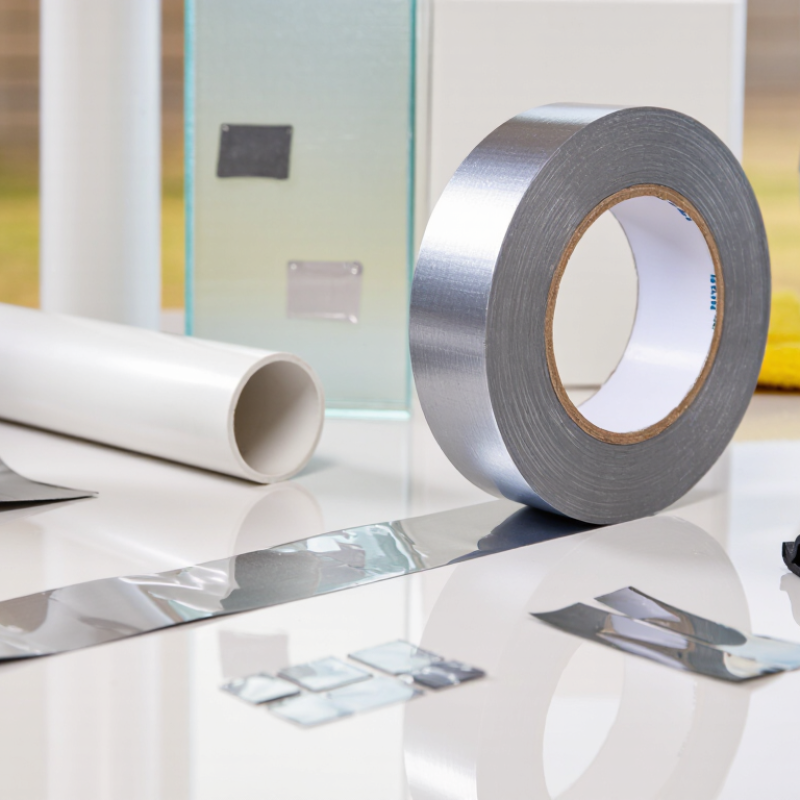
Aluminum foil tape is another common option. Its reflective surface helps protect insulation and ductwork from heat and humidity. PVC tape is useful for cable wrapping and light outdoor repairs, although its weather resistance varies by formulation. Cloth-backed waterproof tape provides quick repairs on tarpaulins, pipes, and temporary covers. For cracks and flashing, reinforced bitumen tape can create a thick, flexible barrier. It needs testing.

In practical sourcing, backing material, adhesive thickness, temperature range, and UV resistance matter more than appearance. A reliable supplier should provide technical data, batch records, and test results for peel strength, water resistance, and aging performance. Ask whether the adhesive remains stable after repeated heating and cooling. Small samples should be tested on the actual surface, especially concrete, painted steel, glass, or plastic. I have seen tapes fail because the surface was dusty, not because the product was poor. That point is easy to miss. No single tape wins every site. A careful specification should match the tape type to exposure, movement, and expected service life.

What Is the Best Weatherproof Tape from China? - Which Types of Weatherproof Tape Are Made in China?

Tape Type Commonly Made in China Primary Waterproofing Material Typical Thickness Typical Temperature Range Weatherproof Performance Best Applications Key Advantages Important Limitations Best Overall Use
Butyl Rubber Waterproof Tape Butyl rubber adhesive with a polyethylene, aluminum, or fabric backing Approximately 0.8–2.0 mm Typically about −20°C to 80°C, depending on formulation Excellent resistance to rain and moisture when correctly applied Roof seams, gutters, flashing, pipe joints, window frames, containers, and repair work Flexible, conformable, solvent-free options available, and effective on many common building materials Surface must be clean and dry; long-term outdoor performance depends on backing and UV resistance Best general-purpose waterproofing option
Aluminum Foil Butyl Tape Butyl adhesive laminated to aluminum foil Approximately 0.6–1.5 mm Typically about −20°C to 80°C Very good water, vapor, sunlight, and weather resistance Roof flashing, HVAC duct joints, insulation systems, solar installations, and metal repairs Reflects sunlight, provides a strong moisture barrier, and offers better UV protection than exposed rubber backing Foil can crease or tear during installation; limited stretch compared with rubberized tapes Best for exposed roofs and reflective outdoor repairs
Acrylic Foam Mounting Tape Solid acrylic or acrylic foam adhesive Approximately 0.4–2.0 mm Often about −30°C to 90°C or higher, depending on grade Very good resistance to UV, moisture, and aging after full bonding Outdoor signs, panels, trim, nameplates, glass, metal, and automotive components High shear strength, clean appearance, and good resistance to long-term sunlight exposure Not designed to bridge large gaps; requires smooth surfaces, firm pressure, and adequate curing time Best for permanent outdoor bonding
PVC Electrical Insulation Tape Flexible PVC backing with rubber-based or acrylic adhesive Approximately 0.13–0.20 mm Commonly about −18°C to 80°C Good protection against moisture for electrical insulation when properly wrapped Cable insulation, wire bundling, low-voltage electrical repairs, and color coding Flexible, easy to apply, and available in multiple colors and widths Not suitable for structural sealing, roof repair, or prolonged immersion; quality varies by grade Best for electrical moisture protection
Duct and Cloth-Backed Waterproof Tape Polyethylene-coated fabric backing with rubber or synthetic adhesive Approximately 0.15–0.30 mm Typically about −10°C to 60°C Good short-term water resistance; outdoor durability varies significantly by grade Temporary repairs, packaging, equipment covers, hoses, and general maintenance Tears easily by hand, conforms well, and provides strong immediate adhesion Adhesive and fabric may degrade under prolonged UV exposure, heat, or standing water Best for temporary outdoor repairs
Self-Fusing Silicone Tape Stretchable silicone rubber without a conventional pressure-sensitive adhesive Approximately 0.5–1.0 mm Often about −50°C to 200°C, depending on grade Excellent resistance to water, weather, ozone, and temperature extremes Emergency hose repairs, cable sealing, marine maintenance, and high-temperature applications Highly elastic, electrically insulating, and able to form a tight fused seal around irregular shapes Requires stretching during installation and usually cannot be repositioned after fusion Best for flexible, high-temperature, or emergency sealing
EPDM Rubber Flashing Tape EPDM rubber membrane with acrylic, butyl, or rubber adhesive Approximately 0.8–1.5 mm Commonly about −40°C to 100°C Excellent resistance to UV, ozone, rain, and outdoor aging Window and door flashing, roofing details, building envelopes, and vehicle sealing Durable rubber membrane, good flexibility, and strong long-term outdoor performance Higher cost than basic cloth tape; adhesive compatibility must be checked for plastics and painted surfaces Best for long-term building-envelope sealing
Selection note: For most exposed waterproofing repairs, butyl rubber tape or aluminum foil butyl tape is usually the most practical choice. For permanent bonding, acrylic foam tape is generally more suitable. Actual performance depends on adhesive formulation, backing material, surface preparation, installation pressure, and exposure conditions. The temperature ranges and thicknesses shown are typical industry ranges rather than guaranteed specifications for every product.

How to Compare Chinese Weatherproof Tape Materials and Performance

Choosing Chinese weatherproof tape requires more than comparing price or thickness. The backing material sets the first performance boundary. PE film is flexible and economical, while PVC offers stronger handling resistance. Aluminum foil reflects heat and light but can crease during installation. For outdoor sealing, acrylic adhesives usually tolerate ultraviolet exposure better than ordinary rubber adhesives. Butyl adhesive often performs well against water, especially on roofs and ducts.

A 2024 MarketsandMarkets report estimates the global adhesive tapes market will exceed 100 billion dollars by 2028. This growth increases product variety, but it also makes supplier claims harder to verify. Ask for measured data, not only terms like “all-weather.” Useful tests include ASTM D3330 for peel adhesion, ASTM D3654 for holding power, and ASTM G154 for accelerated UV exposure. Check results after water immersion, temperature cycling, and artificial sunlight. A tape that grips steel may fail on dusty concrete or aged plastic.

In practical inspections, I compare a 50-millimeter strip on clean metal, painted board, and rough masonry. I record peeling after 24 and 72 hours. Adhesion changes noticeably with surface temperature. This simple method is not a laboratory replacement. It is still revealing. One weakness in my own comparison is limited long-term field data. Laboratory aging can exaggerate some conditions and miss others. Request production-batch reports, thickness tolerance, liner details, and application temperature limits before selecting a Chinese supplier.

What Testing Standards Show Long-Term Weather Resistance?

The best weatherproof tape from China is not chosen by appearance alone. Long-term resistance depends on adhesive chemistry, backing material, and test conditions. Reliable evaluations often include ASTM D1000 for pressure-sensitive tape properties, ASTM G154 for accelerated UV exposure, and ASTM D2247 for humidity resistance. These tests can measure adhesion, tensile strength, and visible aging after controlled exposure.

However, no single standard proves permanent outdoor performance. A tape may survive UV lamps but fail after repeated freezing and thawing. Good suppliers should provide test dates, sample thickness, exposure hours, temperature ranges, and laboratory details. Ask whether testing used aluminum, glass, painted metal, or another real installation surface. Results can change sharply between substrates. I have seen impressive laboratory numbers become ordinary on dusty concrete.

Tips:

  • Request independent reports, not only internal charts.
  • Check peel adhesion before and after aging.
  • Examine edge lifting after water immersion.
  • Confirm batch traceability and storage conditions.
  • Small samples matter.

Field trials add practical evidence. Apply the tape to clean outdoor panels, then inspect it monthly through heat, rain, and cold periods. Record peeling, cracking, residue, and color changes. A useful trial lasts several months, although accelerated testing can reveal weaknesses faster. Be cautious with claims such as “lifetime waterproof.” They often lack a defined climate, load, or service period. The strongest evidence combines recognized standards, transparent laboratory records, and real-world observations.

How to Choose the Best Chinese Weatherproof Tape for Your Project

Choosing the best Chinese weatherproof tape starts with the project environment, not the supplier’s headline claim. Outdoor tape must resist rain, ultraviolet exposure, temperature changes, and surface movement. Grand View Research valued the global adhesive tapes market at approximately USD 78.2 billion in 2023, showing strong demand but also intense quality variation. Weatherproof does not always mean permanently waterproof.

Request technical data before ordering. Check adhesive type, backing thickness, peel strength, tensile strength, and service temperature. ASTM D3330 helps compare peel adhesion, while ASTM G154 evaluates accelerated ultraviolet and moisture exposure. Ask for test conditions, duration, substrate, and batch number. A high peel value can still fail on dusty concrete or low-energy plastic. Test it.

For a practical check, apply sample strips to painted metal, glass, and rough masonry. Leave them outdoors for at least seven days, including after rain, then inspect edge lifting, bubbling, and residue. Chinese suppliers should provide consistent roll dimensions, packaging details, production dates, and traceable inspection records. ISO 4892-3 guidance can support UV-weathering comparisons, but laboratory results cannot fully predict every site. I would avoid choosing by price alone; cheaper tape may require extra layers, labor, or replacement. Small details matter.

How to Choose the Best Chinese Weatherproof Tape for Your Project

Recommended evaluation priorities for outdoor sealing, repair, construction, and electrical applications

Adhesion, UV resistance, water resistance, temperature stability, and backing durability are the key factors when selecting weatherproof tape. The percentages represent a practical screening framework rather than the performance of any specific company or brand. Always verify peel adhesion, aging, temperature range, and water-resistance results through supplier technical data and project-specific testing.

crossmenu linkedin facebook pinterest youtube rss twitter instagram facebook-blank rss-blank linkedin-blank pinterest youtube twitter instagram