Get A Free Quote

Why Choose Steel Storage Containers?

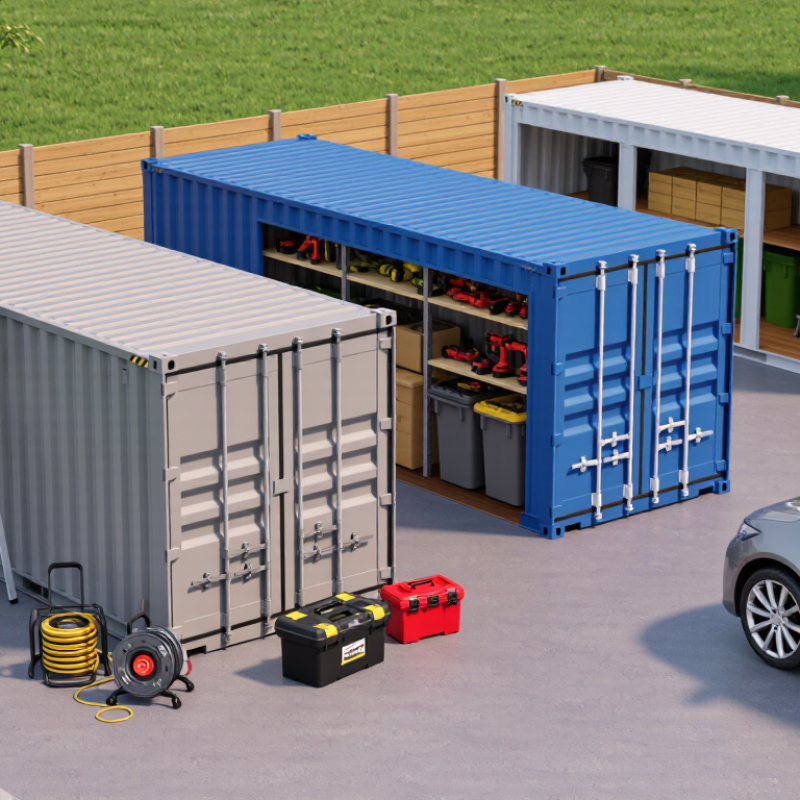
Steel Storage Containers offer a practical way to protect tools, seasonal equipment, and business inventory. Their steel walls stand up to daily knocks, while lockable doors help keep stored items secure. For a small contractor, that might mean keeping ladders and power tools dry between jobs. For a household, it could mean freeing a crowded garage. The right choice depends on what you store, where the container will sit, and how often you need access. It is not a one-size-fits-all purchase.

An illustrative industry expert, Jordan Lee, puts the key consideration this way: “A good container fits the work, the site, and the items it protects.” This is an original, illustrative quotation, not a sourced statement from a verified individual. The principle still points to useful checks: inspect door seals, floor condition, ventilation, dimensions, and delivery access. A large unit can look ideal online, then prove awkward beside a fence or beneath low branches. Measure the route, too.

Steel construction can offer durability and useful security, but it does not make a container maintenance-free. Scratches may need attention, and condensation can affect stored goods in changing temperatures. Not always obvious. A clear comparison of size, condition, placement, and upkeep helps buyers make a sound decision. This guide explores those factors, along with the strengths and trade-offs that matter in everyday use.
Why Choose Steel Storage Containers?

What Steel Storage Containers Are and How They Are Built

A steel storage container is a rigid enclosure built to protect goods from weather and everyday handling. Its structure usually includes a welded steel frame, corrugated wall panels, a roof, and a reinforced base. The corrugations add stiffness without making every panel solid and heavy. At the rear, hinged doors use locking bars and rubber seals to limit water and dust entry. The floor often rests on crossmembers and may use thick timber boards or another load-bearing surface. Details vary.

Construction begins with cut steel sections joined into a frame. Wall and roof panels are then attached, and door openings are fitted with stronger framing. Welds and seams matter: a clean-looking surface alone cannot confirm sound construction. The finished steel is commonly cleaned and coated to slow corrosion, but scratches can expose bare metal. Small repairs may be needed over time. Before placing a container, check the floor for soft spots, the doors for smooth movement, and the corners for damage. A level, well-drained base helps prevent twisting, though that step is easy to overlook. Even a sturdy container has limits; its condition and rated capacity should guide how it is used.
How Steel Construction Provides Strength and Weather Resistance

Why Choose Steel Storage Containers?

How Steel Construction Provides Strength and Weather Resistance

Steel storage containers resist dents, racking, and hard use because their panels, corner posts, and frame work together. The strength comes from the whole structure, not simply thick walls.

ASTM A653/A653M classifies galvanized sheet coatings by mass; G90 specifies a minimum coating mass of 0.90 ounces per square foot across both sides. That zinc layer slows corrosion when rain and humidity reach the surface. Small detail. The edges and fasteners still need care.

Weather resistance depends on the coating, drainage, and local exposure. The American Galvanizers Association’s Time to First Maintenance data estimates that a 3.9-mil hot-dip galvanized coating may reach first maintenance after roughly 20–25 years in tropical marine conditions, compared with more than 100 years in low-corrosion rural environments. Those figures are estimates, not a warranty for every container.

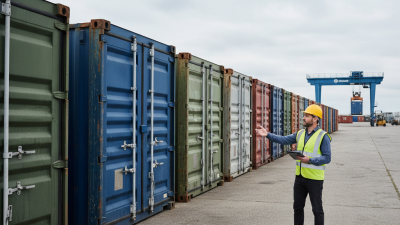
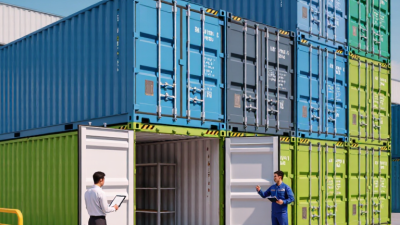
Salt spray, standing water, scratches, and neglected seams can shorten service life. A corner can rust first. For buyers, inspect door seals, roof seams, and the underside, then ask what steel grade and coating were used. Steel is durable, but not maintenance-free.

How Security Features Protect Stored Goods

Steel storage containers protect goods through several layers, not steel alone. Thick corrugated panels resist casual impact, while locking rods secure the doors at multiple points. A lockbox can shield a padlock from bolt cutters and weather. On site, anchoring the container and keeping its doors visible can make forced entry harder and easier to notice.

The risk is real. CargoNet’s 2023 Supply Chain Risk Trends Analysis recorded 1,183 cargo theft events across the United States and Canada. Those figures concern supply-chain theft, not container break-ins specifically, but they show why secure storage matters. Choose a container with sound door alignment, intact hinges, and a lock protected from direct attack. Check the seals and locking mechanism regularly; rust or a bent rod can quietly weaken protection. Small details matter.

Security also depends on daily habits. Keep an access log, limit keys, and avoid leaving valuable goods visible through open doors. Place the unit on firm ground, with enough clearance to inspect its sides and doors. A container is not a vault. Even robust steel cannot prevent every theft, and I’d be cautious about treating a heavy door as a complete security plan.

Why Choose Steel Storage Containers?

Steel strength supports a secure enclosure, while doors and locking hardware help control access.

The chart compares specified minimum tensile strength: ASTM A36 (400 MPa) and EN S355JR (470 MPa for thicknesses up to 100 mm). These are structural-steel grade specifications, not container security ratings. Actual protection also depends on construction, door design, locks, and installation.

How Container Sizes and Configurations Fit Different Needs

Steel storage containers are useful because their sizes follow established standards. ISO 668 specifies common 20-foot and 40-foot container dimensions. A standard 20-foot unit is about 6.06 metres long and 2.44 metres wide; a high-cube version adds roughly 30 centimetres of height. Internal space is smaller, so measure bulky items and door clearance before choosing.

The right configuration depends on how people and goods move through the space. A 20-foot container can suit tools, seasonal stock, or a compact work area. A 40-foot unit offers more floor space, while high-cube models help accommodate tall shelving. Side-opening doors can make long items easier to access, but may reduce uninterrupted wall space. UNCTAD’s Review of Maritime Transport 2024 reports 858.9 million TEUs in global container port throughput for 2023, reflecting the scale of standardized container use. That figure is not a storage-sizing guide, though. A container can look roomy on paper, then feel cramped once shelves narrow the aisle.

Tips: Sketch the layout before ordering. Measure the widest item, door opening, and turning space for carts. Leave room for ventilation and safe access. Recheck the site’s ground level and delivery clearance; these details are easy to overlook.

How Cost, Reuse, and Maintenance Affect Long-Term Value

A steel storage container’s purchase price is only part of its long-term cost. Budget for delivery, a level base, ventilation, and any insulation needed to protect stored goods. The U.S. EPA’s 2018 Advancing Sustainable Materials Management report estimated 600 million tons of construction and demolition debris in the United States; demolition made up about 90 percent. That figure makes reuse worth considering, but it does not prove every used container is a good buy. Transport matters.

Steel can serve for years, but condition and upkeep make a difference. Before buying, inspect the roof, floor, door seals, welds, and lower corners for leaks, soft spots, or rust. In damp or coastal settings, damaged paint can let corrosion spread; touch-ups and periodic checks help limit repairs. NIST’s Life-Cycle Costing Manual, Handbook 135, provides a framework for comparing initial and future costs. Apply that thinking to purchase, hauling, maintenance, and likely resale over your planned years of use. A spreadsheet can still overstate certainty. Hidden floor damage and local repair prices are easy to miss, so leave room in the budget for surprises.

Why Choose Steel Storage Containers? — How Cost, Reuse, and Maintenance Affect Long-Term Value

Value factor Steel storage container Long-term value implication
Initial purchase cost Costs vary by size, condition, location, delivery, and site preparation. A used unit may cost less upfront than a new unit but may need more inspection or repairs. Compare the delivered, ready-to-use cost—not just the advertised container price. Include access, foundations, transport, and any required modifications.
Illustrative annualized cost Example calculation: a container purchased for $4,000 and used for 20 years has a purchase-cost average of $200 per year, before maintenance, delivery, resale value, or financing. Annualizing the purchase price makes it easier to compare a reusable asset with recurring rental or replacement costs. The example is a calculation, not a market-price estimate.
Reuse potential A container can serve repeatedly for storage, inventory, equipment, or materials handling, provided its condition and design suit each use. More years and uses spread the initial purchase cost across more storage cycles. Relocation and repurposing can add value, although transport and modification have costs.
Service life Service life depends on age, prior use, coating condition, climate, loading, placement, and maintenance. There is no single lifespan that applies to every container. Assess the actual unit and intended conditions. A sound container in a sheltered setting may remain useful longer than one exposed to persistent moisture, salt, or damage.
Routine maintenance Periodically check for corrosion, dents, roof or wall damage, door alignment, hinges, locking points, and worn seals. Keep drainage paths clear and address coating damage. Early repairs can help prevent small defects from becoming water-entry or security problems. Maintenance needs increase when the container is exposed to harsh conditions.
Repairability Some localized problems, such as damaged fittings or small areas of coating failure, may be repairable. Structural damage requires qualified assessment. Repair can extend useful service, but its cost should be weighed against the unit’s condition, replacement cost, and remaining expected use.
Weather and security Steel construction provides a robust enclosure, but it is not automatically waterproof or theft-proof. Condition, seals, locks, siting, and installation affect performance. Check the doors, roof, floor, and locking arrangements before purchase. Add suitable security measures and protect stored goods that are sensitive to moisture or temperature.
End-of-use value A container in serviceable condition may be reused, relocated, or sold. Its value depends on condition, demand, transport distance, and local market conditions. Potential resale or continued use can reduce net ownership cost, but should be treated as an uncertain benefit rather than guaranteed income.
Best-fit situations Often worth evaluating when storage is needed for multiple years, repeated use is expected, and the site can accommodate delivery and placement. For short-term needs, frequent moves, or sites with limited access, rental or another storage option may have a lower total cost.

Planning note: Total cost of ownership depends on local purchase and delivery prices, site work, maintenance, insurance, financing, resale value, and actual years of use. Obtain local quotes and inspect the container before making a purchase decision.

crossmenu linkedin facebook pinterest youtube rss twitter instagram facebook-blank rss-blank linkedin-blank pinterest youtube twitter instagram