Choosing among the 7 Best Portable Storage Containers for Global Buyers requires more than comparing prices. A container may look strong in a product photo, yet its floor, vents, lock system, and delivery method determine real performance. Global buyers also need clear dimensions, weather resistance, loading access, insurance details, and dependable after-sales support.
According to portable storage consultant Mike McCann, “A container is only as reliable as the system supporting it.” That practical view matters. A strong steel shell cannot solve poor scheduling, unclear customs paperwork, or difficult site access. Buyers should measure the driveway, check local placement rules, and confirm whether forklifts or cranes are needed. Small details become expensive problems.
This guide examines Portable Storage Containers through an international buyer’s lens. It considers household moves, business inventory, renovation materials, and temporary warehouse needs. The comparison focuses on durability, mobility, security, ventilation, capacity, and supplier transparency. It also recognizes an uncomfortable truth: no single container suits every country, climate, or budget.
Some recommendations may appear obvious. They are not always easy to apply. A cheaper unit can become costly after repeated transport or repairs. A larger container can waste space and increase delivery fees. Buyers should question attractive specifications and request written evidence where possible. This guide offers a practical starting point, not a perfect answer. Conditions change, and careful buyers should verify local requirements before ordering.
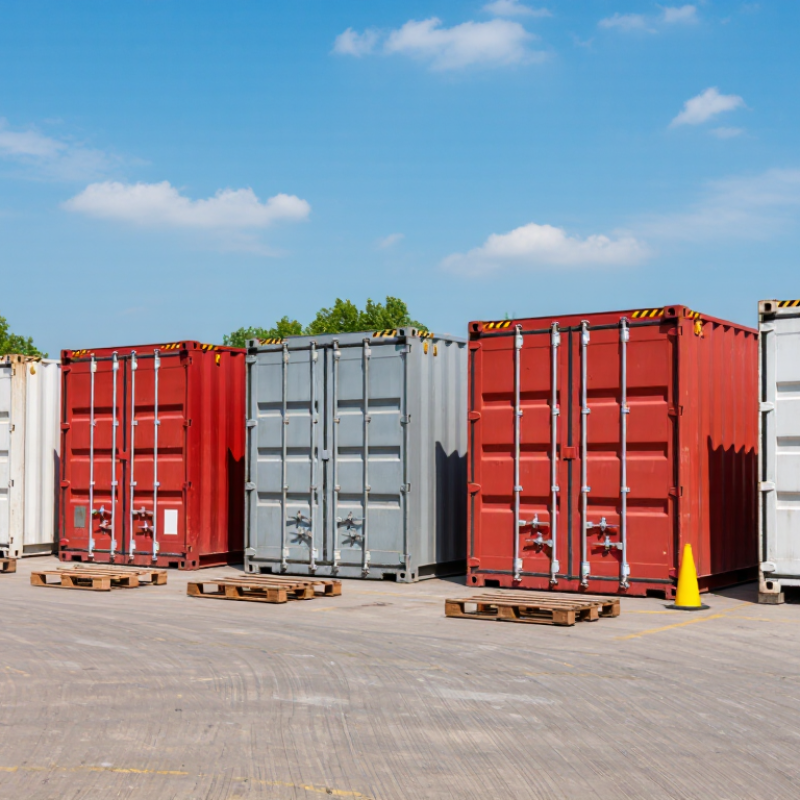
Portable storage containers serve a practical role in moving, storing, and protecting goods across different environments. Their main purpose is simple: create a secure, movable space without permanent construction. Common formats include steel units, insulated containers, soft-sided shelters, collapsible boxes, and modular rooms. Standard lengths, such as 20 or 40 feet, support easier transport and site planning.
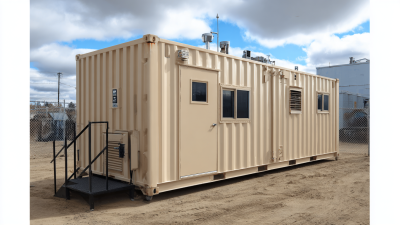
Each format solves a different problem. Steel containers suit tools, furniture, and packaged materials because they resist impact and changing weather. Insulated models help control temperature for sensitive equipment, although they may need ventilation or cooling. Collapsible units reduce empty-return costs, while modular formats can become temporary offices, workshops, or storage rooms. Soft-sided designs are lighter, but they usually offer less protection against theft and severe weather.
Global buyers often use these containers during home relocations, construction projects, seasonal inventory storage, and emergency community support. Placement matters. A level surface, drainage space, and clear access can prevent water damage and difficult loading. Local transport rules, weight limits, and site requirements should be checked before purchase. A low price can hide corrosion, damaged doors, or weak flooring. That mistake is common. Inspect hinges, seals, roof panels, locking points, and internal odors in person whenever possible. Specifications can also vary between suppliers, so written measurements and load ratings deserve careful review. No format is perfect; climate, handling equipment, security needs, and storage duration should guide the final choice.
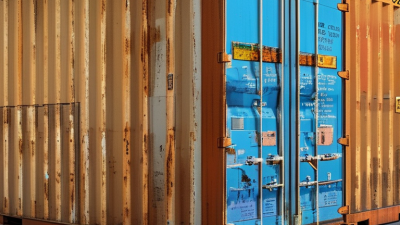
These seven container formats are commonly used for international shipping, household relocation, construction storage, and commercial inventory. Values show approximate internal volume based on widely used ISO container dimensions; actual capacity varies by manufacturer, wall thickness, door configuration, and payload limits.
7 Best Portable Storage Containers for Global Buyers
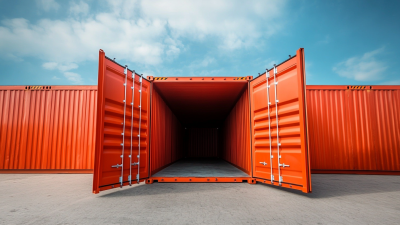
When evaluating portable containers for international purchasing, start with the cargo, route, and handling method. A standard steel container suits general goods and repeated transfers. A high-cube model offers extra height for bulky equipment. Open-side units improve access, while insulated and temperature-controlled containers protect sensitive products. Flat-pack designs reduce empty-return costs. Lightweight composite units can help when local lifting capacity is limited. Each option has trade-offs.
Inspect the structure before comparing prices. Check door seals, floor condition, corner castings, welds, and corrosion around the roof. Ask for verified dimensions, payload limits, material specifications, and inspection records. Photographs help, but they cannot replace an independent physical inspection. We once found surface rust hidden beneath fresh paint. It looked minor. It was not.
International buyers should also review transport compatibility and destination requirements. Confirm lifting points, stacking strength, ventilation, drainage, and locking systems. Request clear documentation for origin, manufacturing materials, treatment, and safety testing. A container that works at a dry warehouse may fail near a humid port. Temperature swings can create condensation inside. Delivery timing matters too, especially when custom modifications are involved. Do not judge quality from price alone. Cheap units sometimes need expensive repairs. I still consider this a weakness in my own evaluations: early cost estimates often miss unloading equipment, inland permits, and return logistics. Get those figures in writing before purchase.
| Rank | Container Type | Best For | Typical External Dimensions (L × W × H) |
Typical Internal Dimensions (L × W × H) |
Internal Volume | Typical Tare Weight | Approx. Payload | Typical Door Opening | International Purchasing Considerations |
|---|---|---|---|---|---|---|---|---|---|
| 1 | 20-Foot Standard Dry Container | General cargo, household goods, tools, machinery and long-distance shipping | 6.06 × 2.44 × 2.59 m 20 × 8 × 8 ft 6 in |
5.90 × 2.35 × 2.39 m 19 ft 4 in × 7 ft 8 in × 7 ft 10 in |
About 33 m³ | 2.2–2.4 t | Up to about 28 t* | 2.34 × 2.28 m | Most widely accepted format; normally stackable and suitable for ocean, rail and road transport. Confirm CSC safety approval, floor condition and cargo-securing points. |
| 2 | 40-Foot High-Cube Dry Container | High-volume cargo, furniture, packaged goods and warehouse overflow | 12.19 × 2.44 × 2.90 m 40 × 8 × 9 ft 6 in |
12.03 × 2.35 × 2.70 m 39 ft 5 in × 7 ft 8 in × 8 ft 10 in |
About 76 m³ | 3.7–4.2 t | Up to about 28 t* | 2.34 × 2.58 m | Provides approximately 30 cm more internal height than a standard container. Check road-weight limits because the legal payload may be lower than the container’s structural rating. |
| 3 | 40-Foot Refrigerated Container | Temperature-sensitive food, pharmaceuticals and other controlled-temperature cargo | 12.19 × 2.44 × 2.90 m 40 × 8 × 9 ft 6 in |
Approximately 11.55 × 2.29 × 2.54 m | About 67 m³ | 4.5–5.0 t | Usually 25–27 t* | About 2.29 × 2.48 m | Requires electrical power and periodic machinery servicing. Request temperature range, power requirements, operating history, insulation condition and pre-trip inspection records. |
| 4 | 20-Foot Open-Top Container | Tall, heavy or awkward cargo loaded by crane, such as stone, timber and industrial equipment | 6.06 × 2.44 × 2.59 m 20 × 8 × 8 ft 6 in |
About 5.90 × 2.35 × 2.35 m | About 32–33 m³ | 2.3–2.6 t | Up to about 28 t* | Rear doors; roof opening varies | A removable canvas roof increases loading flexibility but reduces weather protection compared with a solid roof. Confirm lashing rings, cover condition and maximum concentrated floor load. |
| 5 | 20-Foot Side-Opening Container | Retail stock, pallets, event equipment and goods requiring wide side access | 6.06 × 2.44 × 2.59 m 20 × 8 × 8 ft 6 in |
Approximately 5.90 × 2.35 × 2.39 m | About 33 m³ | 2.5–3.0 t | Up to about 27–28 t* | Full or partial side access, depending on configuration | Offers faster loading and improved stock visibility, but has more door seals and hardware to inspect. Verify door operation, gasket condition and water-tightness. |
| 6 | 20-Foot Flat-Rack Container | Oversized machinery, vehicles, pipes and cargo exceeding standard container width or height | 6.06 × 2.44 × 2.59 m 20 × 8 × 8 ft 6 in |
Usable platform about 5.65 × 2.20 m; end-wall height varies | Not enclosed | 2.5–3.0 t | About 25–31 t* | Open platform | Cargo must be secured and protected by the buyer. Confirm lashing capacity, allowable overhang, route restrictions, lifting points and whether the unit is approved for international carriage. |
| 7 | Modular Steel Storage Container | Long-term on-site storage, construction sites, workshops and relocatable facilities | Common sizes include 6.00 × 2.40 × 2.60 m Custom sizes also available |
Typically 5.80 × 2.20 × 2.35 m; varies by design | Approximately 28–32 m³ | 2.0–3.5 t | Varies by chassis and floor design | Varies by door configuration | Often intended for land-based storage rather than ocean transport. Confirm lifting method, corrosion protection, wind and floor-load ratings, local building rules and whether CSC certification is provided. |
*Payload figures are indicative maximums. Actual allowable cargo weight depends on the unit’s data plate, container gross-weight rating, road and rail regulations, vessel restrictions, cargo distribution and local import requirements. Dimensions and capacities vary by manufacturer, construction year and configuration.
Choosing among seven portable storage container options depends on the use case, not appearance. A standard steel container suits household moves and general equipment. A high-cube model adds valuable headroom for bulky furniture. An insulated container helps protect documents, textiles, and electronics from temperature swings. Refrigerated units serve controlled-temperature cargo, but they need continuous power and specialist checks. Open-top containers fit machinery loaded by crane. Side-opening units improve access on narrow sites. Flat-rack containers handle unusually wide or heavy items, although they offer limited weather protection.
UNCTAD’s Review of Maritime Transport 2024 states that over 80% of global merchandise trade moves by sea. This makes container condition, dimensions, and documentation important for international buyers. The World Bank’s Logistics Performance Index 2023 also highlights major differences in reliability and delivery performance between markets. A cheaper container may create delays if doors, flooring, or corner castings need repair. I have found that buyers often underestimate ground conditions. Soft soil can turn a good storage plan into an expensive recovery job.
Tips: Inspect door seals, welds, flooring, ventilation, and rust before purchase. Ask for external dimensions, tare weight, payload, and inspection records. Confirm local placement permits and transport access. Refrigerated and oversized options require extra power, lifting space, and maintenance planning. No option wins every route. Even experienced buyers sometimes choose capacity before access, which is an avoidable mistake.
7 Best Portable Storage Containers for Global Buyers
Global buyers need more than a container that simply fits. Size affects freight cost, loading access, and usable floor space. A compact unit may suit a narrow driveway, while larger cargo needs reinforced capacity. Measure doors, pallets, and turning space before ordering. Small errors become expensive. Internal dimensions also matter because thick walls can reduce usable storage space.
Material choice affects durability, weight, and maintenance. Galvanized steel usually handles impacts well, but damaged coatings can invite corrosion. Aluminum is lighter, yet it may dent more easily under rough handling. Inspect frame joints, floor strength, and drainage points. Security should include strong doors, concealed hinges, and a lock area that resists cutting. A basic padlock alone is rarely enough for valuable equipment.
Weatherproofing requires more than a sealed appearance. Look for continuous door gaskets, a raised floor, roof drainage, and protected vents. Good airflow reduces condensation, especially when temperatures shift during international transport. Mobility depends on the site. Forklift pockets, lifting points, casters, or skids can simplify relocation. Confirm their rated load and ground clearance. I would not trust marketing photos without test documents and inspection records. A perfect container is unlikely; even a well-built unit may need repainting, extra ventilation, or better leveling after delivery. Check regional climate data before selecting the final specification.
7 Best Portable Storage Containers for Global Buyers?
Global buyers should compare landed cost, not the container’s advertised price. UNCTAD’s Review of Maritime Transport 2024 reports that ships carry over 80% of global merchandise trade. Freight rates can therefore change quickly with route congestion, fuel costs, and equipment shortages. Request a written quotation showing container price, inland transport, ocean freight, insurance, port fees, and delivery charges. Ask twice. A low factory price may hide expensive destination handling or storage fees.
Customs planning needs equal attention. Confirm the container’s material, dimensions, country of origin, tariff classification, and intended use before payment. The World Bank’s Logistics Performance Index 2023 shows major differences in customs efficiency, infrastructure, and shipment timeliness across economies. Those differences affect clearance time and cash flow. Ask the supplier for accurate commercial invoices, packing lists, certificates, and product specifications. Never accept copied documents without checking consistency.
Supplier verification should include a physical address, registration records, export history, production photographs, and a live video inspection. Request a sample or independent pre-shipment inspection before approving a larger order. The International Chamber of Commerce emphasizes clear trade terms because unclear responsibilities often create disputes over freight, insurance, and risk transfer. A useful comparison sheet should record dimensions, payload, coating, lock design, warranty, and replacement-part availability. My cost model is not perfect; local taxes and demurrage can still surprise buyers. Allow a contingency budget of 10–15% for uncertain destination charges.