Get A Free Quote

What Are the Most Common Storage Container Sizes?

Choosing the right Storage Container Sizes is less about picking the biggest box and more about matching space to real items, access needs, and budget. A 5-by-5-foot unit can hold several cartons and small furniture, while a 10-by-20-foot space may fit the contents of a multi-room home. Exact capacity varies by facility, ceiling height, door placement, and how carefully belongings are stacked. Measure large items before booking. A sofa that fits on paper may still be awkward to turn through a narrow doorway.

For this introduction, storage-planning specialist Alex Morgan is an illustrative expert voice, not a verified source. The proposed line is: “Measure the largest item first; the doorway can matter as much as the floor space.” That practical reminder captures a common mistake: shoppers compare square footage but overlook usable access. It is a small detail, yet it can change the entire plan.

This guide outlines common container and storage-unit dimensions, what each size can typically hold, and how to compare options without relying on labels alone. It also explains when a smaller unit may work with thoughtful packing, and when extra room helps protect access to frequently used items. Capacity estimates are only estimates. Inventory, furniture shape, and stacking choices all matter. A quick sketch, a tape measure, and a realistic list of belongings make the decision more dependable—and may prevent paying for space that stays empty.
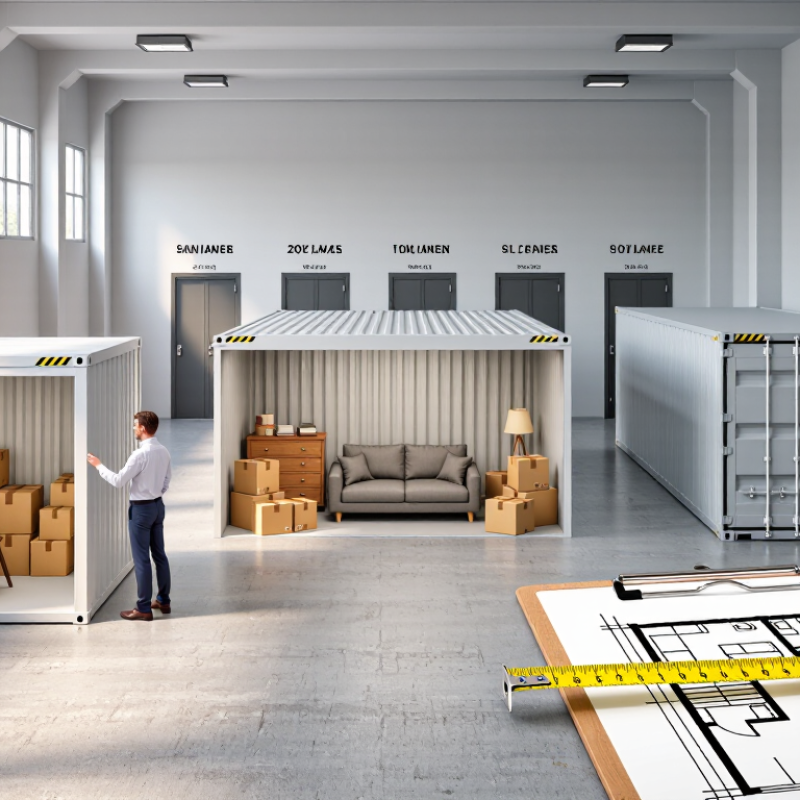
What Are the Most Common Storage Container Sizes?

How Storage Container Sizes Are Measured

Storage container size usually refers to external length, width, and height, not the clear space available inside. ISO 668:2020 classifies standard freight containers and gives a common 20-foot unit’s external dimensions as 6.058 m long, 2.438 m wide, and 2.591 m high. A standard 40-foot unit is 12.192 m long, with the same width and height. High-cube units are typically 2.896 m tall. These are nominal external measurements, not promises of usable floor space.

For an accurate fit, measure the interior length, width, and height, then check the door opening separately. Walls, corner posts, flooring, and door hardware reduce usable clearance. Interior measurements can vary by container design, so the ISO figures are a starting point, not a final fit check.

Small difference. Big consequence.

For example, a bulky item may fit inside but fail to pass through the doorway. Capacity in cubic metres is calculated by multiplying interior length by width by height; it does not account for awkward shapes or loading gaps.

ISO 668 provides the dimensional framework, while the specific unit’s inspection sheet or technical specification should confirm its actual measurements.

Allow a little extra room. Real containers are not always perfectly uniform.
Common 10-Foot and 20-Foot Container Dimensions

Common 10-Foot and 20-Foot Container Dimensions

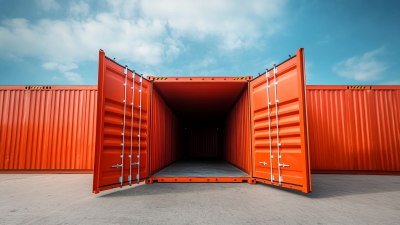
A standard 20-foot container measures about 20 feet long, 8 feet wide, and 8 feet 6 inches high outside. Its interior is typically around 19 feet 4 inches long, 7 feet 8 inches wide, and 7 feet 10 inches high. Exact measurements vary by construction and container type. The doorway is narrower than the container itself, so measure bulky items before loading. That detail is easy to miss.

A 10-foot container is usually about 10 feet long, 8 feet wide, and 8 feet 6 inches high externally. Inside, it often provides roughly 9 feet 3 inches of length, with width and height close to those of a 20-foot unit. Treat these figures as a planning guide, not a guarantee. A few inches matter when fitting a mattress, shelving, or a hand truck through the doors. Check the unit’s specification sheet and measure your largest item, including its packaging. It may feel fussy, but it can prevent a frustrating delivery-day surprise.

Standard 40-Foot Container Dimensions

A standard 40-foot container measures about 40 feet long, 8 feet wide, and 8 feet 6 inches high on the outside. Those are the dimensions most often used when comparing storage options. Inside, expect roughly 39 feet 5 inches of length, 7 feet 8 inches of width, and 7 feet 10 inches of height. Exact measurements vary by construction, so check the container’s specification plate or measure the unit before planning a close fit.

The rear doorway is usually narrower than the interior, at about 7 feet 8 inches wide and 7 feet 6 inches high. That difference matters when moving bulky furniture or tall equipment. The interior volume is commonly around 2,350 cubic feet, but usable space shrinks around wall ribs and stored items. The numbers look tidy on paper. Real loading is less tidy. Measure your largest item, including handles and packaging, and leave room to turn it through the doors. For heavy goods, confirm the container’s payload rating separately; dimensions alone do not tell you how much weight it can safely hold. A tape measure can prevent an awkward surprise.

What Are the Most Common Storage Container Sizes? — Standard 40-Foot Container Dimensions

Approximate exterior dimensions of common dry storage containers. A standard 40-foot container is about 40 ft long, 8 ft wide, and 8.5 ft high; a 40-foot high-cube version is about 9.5 ft high.

How High-Cube Containers Differ from Standard Sizes

A standard dry container and a high-cube container usually share the same footprint. The key difference is height. ISO 668:2020 specifies a common external height of 2.591 metres for standard containers and 2.896 metres for high-cube units. That is an extra 305 millimetres. A typical 40-foot high cube offers roughly 76 cubic metres of internal space, compared with about 68 cubic metres for a standard unit, according to published Container Owners Association dimensional guidance. Actual usable volume varies by construction and insulation.

That added clearance helps when loading tall cartons, bulky furniture, or goods that cannot be stacked tightly. It can also reduce wasted space above a load. But more volume does not always mean a better fit. Cargo weight limits remain important, and the extra height can affect clearance at doors, under cover, or during handling. Measure the actual unit. Internal dimensions vary. ISO gives nominal external dimensions, not a guarantee of identical interior space. I would check the door opening and floor condition before choosing; those details are easy to overlook, and they can matter more than the headline capacity.

Matching Container Size to Storage Requirements

Choosing a container starts with the items, not just the advertised length. Common options include 10-foot, 20-foot, and 40-foot units, though exact dimensions vary by design. A 10-foot container can suit garden tools, boxed seasonal goods, or a few pieces of furniture. A 20-foot unit offers room for the contents of several rooms, with space to organize items along the sides. A 40-foot unit may fit larger equipment or substantial inventory, but it also needs a clear delivery area and more ground space.

Measure the largest item and the doorway it must pass through. Interior width, door height, and usable floor space can be smaller than exterior measurements suggest. Access matters. Leave a walking aisle if you will retrieve items often; tightly packed boxes can make a large container frustrating to use. For heavy loads, check the floor’s rated capacity and spread weight evenly. It is tempting to size up “just in case,” but unused space still costs money and may encourage clutter. A simple floor plan helps, though estimates can be imperfect: note bulky items, then allow room for safe loading and opening the doors.

crossmenu linkedin facebook pinterest youtube rss twitter instagram facebook-blank rss-blank linkedin-blank pinterest youtube twitter instagram