Get A Free Quote

10 Tips to Choose the Right Storage Container Sizes?

Choosing the right Storage Container Sizes is more practical than simply selecting the largest available unit. A container that looks spacious may still waste money, floor area, and handling time. The 2023 Self Storage Association Demand Study confirms that household storage remains a significant consumer need in the United States. Moving, renovation, seasonal equipment, and business inventory all create different space requirements.

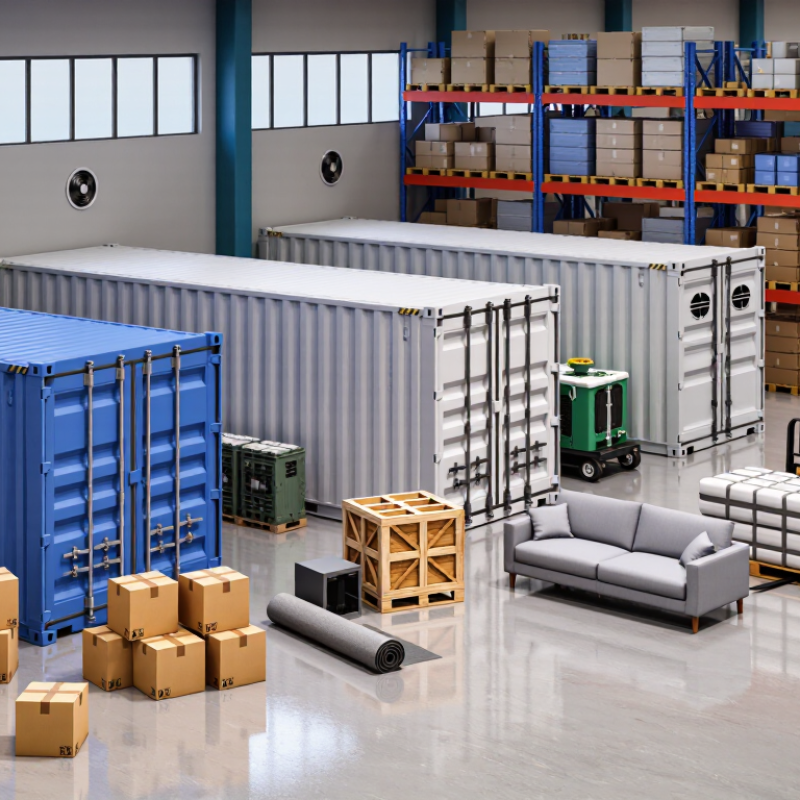
Industry standards also matter. ISO 668 defines widely used freight container dimensions, including common 20-foot and 40-foot formats. However, internal capacity varies between standard, high-cube, insulated, and specialized containers. Door openings, wall thickness, ventilation, and loading access can change the usable space. Measure the objects, not just the labels.

That sounds obvious.

In real projects, a sofa may fit diagonally but block smaller boxes behind it. A pallet may require clearance for a forklift. Moisture-sensitive goods may need ventilation or climate control instead of extra volume. The U.S. Census Bureau’s American Community Survey also tracks frequent residential movement, showing why flexible storage planning remains relevant for households and businesses.

This guide presents ten practical tips for comparing Storage Container Sizes with greater confidence. It considers volume, dimensions, access paths, stacking limits, safety margins, and future growth. The recommendations reflect common industry practice, but no sizing chart can replace a site inspection. I have found that estimates often fail when users ignore irregular shapes and access space. A better decision leaves room for uncertainty, rather than filling every available corner.
10 Tips to Choose the Right Storage Container Sizes?

Define Your Storage Needs and Available Space

Choosing the right storage container size starts with a clear definition of your storage needs and available space. Begin by listing what you need to store, such as winter clothing, documents, tools, or kitchen supplies. Separate items by frequency of use, weight, and sensitivity to moisture. Daily-use items should remain easy to reach, while seasonal belongings can occupy higher shelves.

Measure the storage area before buying containers. Record the floor width, depth, shelf height, and doorway clearance. A container may fit on a shelf but fail to pass through the doorway. Leave a few centimeters around each box for handling and airflow. Do not trust estimates.

Container capacity also depends on item shape. Soft clothing can fit flexible spaces, but rigid tools need wider openings. Heavy objects belong in smaller containers because they are safer to lift. Transparent sides can help identify contents, although labels remain useful in dark closets. Label the lid and one short side.

I once selected boxes based only on volume and ignored their handles. They fit neatly, but moving them became awkward. That mistake changed my process. I now test reach, lifting comfort, and stacking stability before filling every container. Keep a small empty area for future items. Overpacking creates pressure, damages contents, and makes retrieval frustrating. A simple floor sketch can reveal wasted corners and prevent unsuitable purchases.
Measure Items, Shelves, Doors, and Access Paths

10 Tips to Choose the Right Storage Container Sizes?

Measure the items before choosing a container. Include handles, lids, cables, and awkward corners. Group similar items by height. Leave a little room for removal. Tightly packed boxes often become frustrating. Measure each shelf from wall to edge. Check the shelf height, width, and depth. Do not trust listed dimensions alone. Interior space is usually smaller. I once bought a container that fit the shelf, but its lid hit the frame.

Measure every door along the route. Include hinges, handles, and nearby furniture. A container may fit the room but fail at the doorway. Mark narrow turns with masking tape. Measure stairways and elevator entrances too. Keep at least two centimeters of clearance where possible. That margin may seem excessive. It is not. Walls are rarely perfectly straight, and carrying changes the angle. Test the route with an empty box before filling it.

Choose containers that match real handling habits. A deep box suits seasonal bedding, but not daily tools. Small containers reduce weight and make shelves easier to manage. Label two sides, especially when containers face different directions. Stack only stable shapes, and avoid placing heavy items above shoulder height. Recheck measurements after adding protective padding. I sometimes underestimate that extra layer. It can reduce usable space more than expected. When uncertain, choose the slightly larger size, but verify its access path first.

Match Container Dimensions to Item Types

Choosing storage containers starts with the item, not the empty shelf.

In my organizing projects, matching dimensions has prevented crushed clothing, wasted corners, and unstable stacks. Measure length, width, and height before shopping. Leave a small clearance for easy removal. Too much space creates movement. Too little space causes damage.

Folded shirts need broad, shallow containers

Folded shirts need broad, shallow containers that keep fabric visible and easy to lift. Use taller, narrow containers for bottles, rolled towels, or umbrellas. Small compartments suit cables, stationery, and loose hardware because they stop pieces from disappearing. Heavy books belong in short containers with reinforced bases. Your back will notice. For shoes, select a box slightly longer than the largest pair, with enough height for delicate shapes. Avoid forcing lids over high heels or rigid soles. Pantry items need stable, stackable dimensions, but check actual package heights. A container that fits one jar may waste space around smaller packets.

For seasonal bedding, use a larger container

For seasonal bedding, use a larger container only when the contents remain light enough to carry safely. Clear sides help identify contents, while opaque options protect light-sensitive materials. Label the lid and one side. I once chose a deep bin for children’s art supplies; it held plenty, but the bottom became a messy trap. A shallower design would have worked better. Recheck measurements after sorting, since the final volume often changes. Leave about two centimeters of breathing room when items need ventilation, and never rely on a lid to compress fragile contents.

Compare Capacity, Stackability, and Weight Limits

10 Tips to Choose the Right Storage Container Sizes?

Compare Capacity, Stackability, and Weight Limits

Choosing a storage container starts with usable capacity, not the outside dimensions. Measure the items, including handles, lids, and protective padding. A container that looks large may waste space around irregular objects. Leave a small clearance for easy removal. Overfilling causes cracked lids and distorted walls.

Stackability deserves equal attention. Check whether the base fits securely on the lid below. A stable stack should remain straight when containers are moved or bumped. Keep similar sizes together when possible. Mixed shapes create gaps and increase tipping risk. Three medium containers may stack better than one oversized container. Sometimes, less capacity works better.

Weight limits are easy to overlook. Separate the container’s maximum load from its safe stacking load. Dense items, such as books or tools, can exceed the base rating quickly. Place heavier containers at the bottom and lighter ones above. Never assume a reinforced-looking box carries more weight. Read the specification sheet and inspect containers for cracks, bending, or worn corners. Temperature and moisture can also affect performance. A dry garage is not the same as a heated storeroom. My early estimates would have been too optimistic without weighing the contents. Use a small scale when accuracy matters. Record the actual weight, stack height, and storage conditions before purchasing several containers.

Review Materials, Lids, Labels, and Long-Term Durability

Choosing the right storage container size involves more than measuring a shelf. Materials, lids, labels, and durability affect daily use. A container should fit the item without leaving excessive empty space. Oversized boxes waste room and encourage careless stacking.

Tip 1: Check the material before buying. Food-safe plastic suits lightweight, moisture-prone items, while glass resists odors and stains. However, glass adds weight and can break when dropped. I once chose a large glass container for convenience, then avoided using it because it became too heavy. That choice needed reconsideration.

Tip 2: Test the lid carefully. A secure lid should close evenly without excessive force. Silicone seals can help control moisture, but they still need regular cleaning. Avoid lids with complicated grooves if you dislike detailed maintenance. Small gaps matter. For dry goods, a loose lid may invite humidity and insects. For liquids, place the container on a towel during the first leak test.

Tip 3: Make labels readable and durable. Include the item name and storage date. Use labels that resist condensation and gentle washing. Tiny handwriting fails quickly. Choose a visible surface instead. Clear containers help you check contents, but they may expose light-sensitive items. Long-term durability also depends on stacking pressure, temperature changes, and repeated washing. Inspect cracks, warped lids, and faded markings every few months. Some containers last longer than expected, while others disappoint early.

10 Tips to Choose the Right Storage Container Sizes

Use container capacity as a starting point, then review the material, lid design, label area, and long-term durability before buying.

How to read the chart: Typical household storage capacities range from compact 5-liter boxes for small accessories to approximately 90-liter containers for bulky seasonal items. Leave about 10–15% empty space for easier handling and safer lid closure. Clear polypropylene is useful for visibility, while opaque HDPE offers stronger light protection. For long-term storage, choose stackable walls, secure lids, smooth label surfaces, and materials suitable for the intended temperature and contents.

crossmenu linkedin facebook pinterest youtube rss twitter instagram facebook-blank rss-blank linkedin-blank pinterest youtube twitter instagram