Why Is Container Storage Important for Global Buyers?
Global buyers often focus on price, supplier capacity, and shipping schedules. Yet the period between production and delivery can create serious operational risks. Container Storage provides a controlled buffer during this uncertain stage. It protects goods from weather exposure, handling damage, theft, and avoidable delivery delays.
A well-managed facility can receive sealed containers, record inspection details, and monitor storage conditions. Temperature-sensitive products may need sensors, ventilation, or shaded positioning. Other cargo may require dry flooring, restricted access, or careful stacking limits. Clear inventory records also help buyers confirm container numbers, arrival dates, and release instructions. These details matter when several shipments reach a port within the same week.
Reliable providers should demonstrate trained staff, documented procedures, security controls, and consistent reporting. Buyers can review insurance coverage, access policies, equipment maintenance, and previous performance. Independent inspections may reveal water marks, broken seals, or poor yard drainage before losses become expensive. Small checks often prevent larger disputes.
No storage plan is perfect. Weather changes, congestion, and communication gaps can still disrupt operations. That assumption can fail. Buyers should compare storage capacity, location, handling services, and total costs rather than choosing the lowest daily rate. A cheaper yard may create longer transfers, extra inspections, or damaged packaging. Practical experience shows that visibility matters as much as physical space. When Container Storage is planned with measurable controls, global buyers gain stronger delivery confidence and a clearer response when conditions change.
What Is Container Storage and How Does It Work?
Why Is Container Storage Important for Global Buyers?
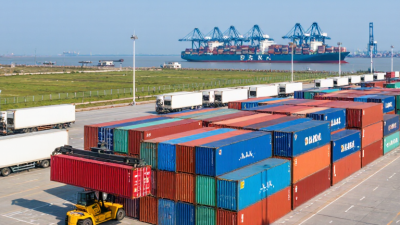
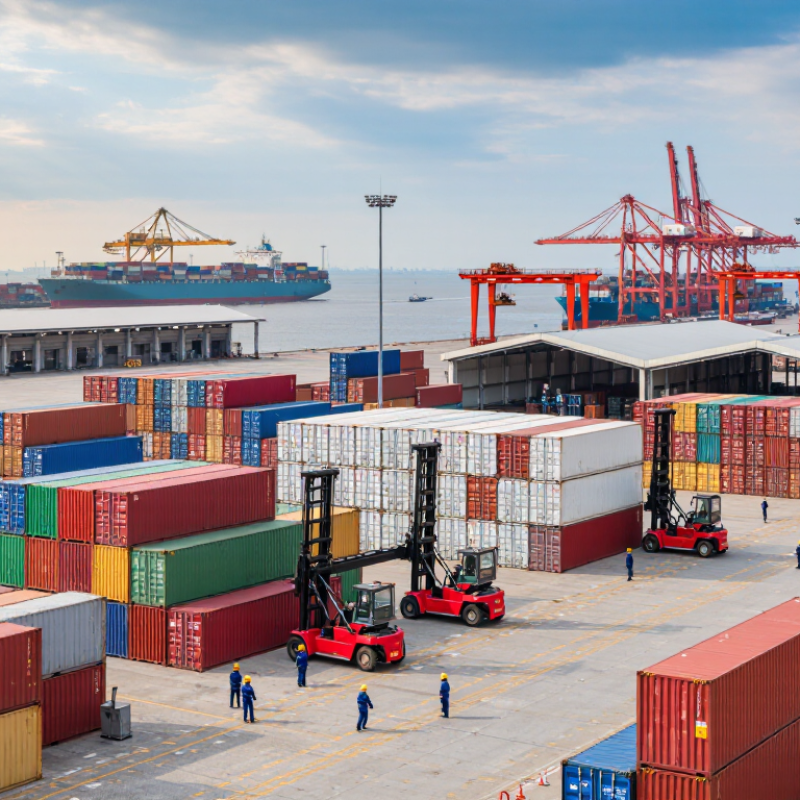
Container storage is the controlled holding of loaded or empty shipping containers before their next movement. A container may wait at a port terminal, inland depot, rail yard, or private storage site. The process usually begins with gate-in, identification, condition checks, and digital recording. Staff then assign a stack location and monitor the container until customs, transport, or warehouse instructions are complete.
Visibility matters most. The World Bank’s 2023 Logistics Performance Index evaluates 139 economies and identifies tracking and tracing as a core logistics capability. In practical terms, buyers need to know where a container sits, who controls it, and when storage charges begin. A reliable system records the container number, arrival time, seal condition, cargo status, and planned release date. Managers also separate demurrage from detention, because one concerns terminal storage while the other concerns equipment use outside the terminal.
UNCTAD’s Review of Maritime Transport 2023 reports that over 80% of global merchandise trade by volume moves by sea. That scale makes temporary storage unavoidable. Good storage protects cargo from unnecessary handling, weather exposure, and missed delivery windows. It also gives buyers time to coordinate trucking, inspections, and warehouse space. Yet the process is not perfectly tidy. A late document, incorrect inventory entry, or congested gate can delay release for days. Storage planning should therefore include buffer time, verified data, and direct communication with each facility. Space alone is not enough.
Why Global Buyers Depend on Reliable Container Storage
Why Is Container Storage Important for Global Buyers?
Why Global Buyers Depend on Reliable Container Storage
Global buyers depend on reliable container storage because ocean schedules rarely match purchasing plans. UNCTAD’s Review of Maritime Transport 2024 reported that maritime trade grew 2.4% in 2023. More cargo creates more waiting time between discharge, customs release, and inland delivery. A secure yard protects goods during that gap. It also gives teams time to inspect seals, count cartons, and arrange trucks without rushed decisions. Small delays become expensive quickly.
The World Bank’s Logistics Performance Index 2023 identifies timeliness, tracking, and predictability as vital logistics capabilities. Storage supports all three. A well-managed facility records arrival times, container condition, temperature readings, and release status. Clear aisle space matters. So does proper drainage. For sensitive cargo, stable power and fast alarm response can prevent damage before inspection begins. These controls create evidence, not just convenience.
UNCTAD also expects maritime trade growth to continue, although disruptions can change regional capacity quickly. Global buyers should reserve flexible storage, define free-time limits, and review dwell-time reports weekly. A container near a busy gate may face extra handling, even when the cargo is ready. That assumption is often wrong. Reliable storage acts as a practical buffer between uncertain transport networks and strict delivery windows. It cannot remove every delay. The uncomfortable part is simple: storage is often measured only after it fails.
Why Is Container Storage Important for Global Buyers?
Global container port throughput has grown substantially over the past decade, increasing the need for dependable storage capacity, organized inventory handling, and flexible cargo release. Reliable container storage helps buyers manage demand fluctuations, avoid port congestion, and maintain supply-chain continuity.
Global container port throughput, selected years, in million twenty-foot equivalent units (TEU). Source: UNCTAD, Review of Maritime Transport and UNCTAD Data Hub.
How Container Storage Supports International Supply Chains
Container storage is a quiet control point in international supply chains. More than 80% of global merchandise trade by volume moves by sea, according to UNCTAD’s Review of Maritime Transport 2023. When vessels arrive early, customs checks take longer, or inland transport capacity falls short, secure storage prevents cargo from blocking the next operation.
A well-managed container yard separates import, export, empty, and temperature-sensitive units. It also records container numbers, seal conditions, dwell time, and release instructions. These details support traceability and reduce avoidable handling. The World Bank’s Logistics Performance Index 2023 highlights tracking and tracing as important parts of reliable logistics performance. In practice, accurate records can matter as much as physical space.
Storage is not free. Longer dwell time increases handling, inspection, and equipment costs. A full yard is not always failure. It may reflect a temporary buffer during demand changes. Still, poor visibility can turn that buffer into congestion. This is where many plans need more honest review.
Tips:
Set clear dwell-time limits before cargo arrives. Use daily inventory checks and exception alerts. Keep backup inland capacity for delays. Review storage data weekly, not only after disruption. Small gaps become expensive quickly.
Which Factors Affect Container Storage Costs and Efficiency?
Container storage matters because every idle day ties up cash, equipment, and delivery capacity. For global buyers, the main cost is rarely the warehouse alone. It includes terminal storage, demurrage, detention, handling, inspection, inland transport, and possible reefer electricity. Location changes the calculation. A container stored near a congested gateway may cost more, yet reduce trucking distance and missed appointments.
The World Bank’s Logistics Performance Index 2023 gathered evidence from 4,090 logistics professionals across 115 countries. Their responses highlight customs, infrastructure, service quality, and timeliness as connected efficiency factors. Storage decisions should reflect all four. A cheaper yard can become expensive when gate queues add six hours, chassis are unavailable, or documents arrive late. Cargo type also matters. Refrigerated containers require continuous power and temperature monitoring. Hazard-sensitive products require stricter, legally compliant facilities and procedures.
Free-time terms are another major variable. They differ by route, terminal, season, and contract. Buyers should record the exact clock: discharge time, customs release, pickup booking, and empty return. Small timing errors become daily charges. The World Bank’s 2023 Logistics Performance Index also shows that predictable delivery remains a weakness in many markets. That finding deserves attention. A neat spreadsheet can still be wrong when port data is outdated. In practice, weekly exception reviews, buffer days, and verified tariff schedules often improve results more than chasing the lowest headline rate.
How to Choose the Right Container Storage Solution for Global Trade
Global buyers need container storage that protects cargo and supports predictable trade. The right solution depends on more than available floor space. It must match cargo type, container size, handling frequency, and destination requirements. A dry container may suit packaged goods, while sensitive cargo may require controlled temperature, ventilation, or moisture monitoring. Space is not enough.
Location strongly affects the buying decision. A facility near a port or rail terminal can reduce drayage time and handling costs. However, low rent may hide weak road access, congestion, or limited lifting equipment. Ask how quickly staff can retrieve a specific unit. Clear inventory records, barcode checks, and visible condition reports reduce avoidable errors. Reliable storage providers should explain their inspection process and provide documented security procedures.
Buyers should also review drainage, fire protection, lighting, insurance responsibilities, and access hours. Confirm how the facility handles damaged seals, water exposure, and delayed collection. A practical site visit can reveal more than a polished quotation. Look for cracked paving, standing water, and containers stacked beyond safe working limits. One planning mistake is choosing capacity for today’s shipment only. Seasonal volume can rise sharply, leaving expensive overflow space elsewhere. I would also question fixed assumptions. A cheaper unit is not always cheaper after transfers, inspections, and waiting time. Good decisions come from comparing total operating risk, not storage price alone.