Choosing the right Container Storage solution in 2026 requires more than comparing prices or advertised capacity. Businesses must examine how containers will perform in real operating conditions. A coastal warehouse may face salt air, heavy rain, and strong winds. An urban site may struggle with limited access, noise restrictions, or frequent delivery changes. These details can influence durability, placement, security, and long-term costs.
Reliable decisions begin with verified specifications and practical experience. Check payload ratings, ventilation options, locking systems, corrosion protection, fire-resistant materials, and compatibility with handling equipment. Ask suppliers for test records, maintenance guidance, warranty terms, and references from similar facilities. A trusted provider should explain limitations clearly. Marketing language alone is not enough.
Technology also deserves careful attention. Sensors can monitor temperature, humidity, door access, and movement, but connected systems require dependable power and secure data practices. Automation sounds attractive. It may not suit every site. A smaller operation could gain more from stronger locks and better inventory procedures than from expensive software. That point is easy to miss.
Environmental performance is becoming important as well. Reusable units, repairable components, reflective coatings, and efficient transport planning can reduce waste and operating emissions. However, sustainability claims should be supported by measurable evidence. Consider the full lifecycle, including delivery, servicing, relocation, and eventual replacement. No single solution fits every business. A careful assessment of products, site conditions, staff routines, and future growth creates a more dependable foundation for choosing Container Storage in 2026. Expect some uncertainty, and review the decision regularly.
How to Choose Container Storage Solutions in 2026?
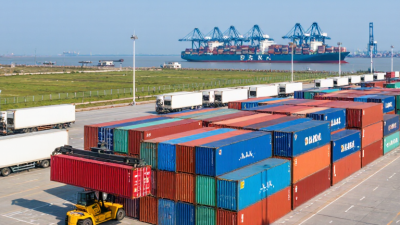
About 80% of global trade moves by sea, according to UNCTAD. This reality makes container storage a logistics decision, not merely a space decision. A shipment may wait near a busy port for several days, sometimes longer during weather disruptions or schedule changes. Your storage plan should match cargo volume, dwell time, handling frequency, and access requirements.
Measure the details before selecting equipment. Record pallet dimensions, gross weight, stacking limits, moisture sensitivity, and required inspection space. Temperature-controlled cargo needs stable monitoring and dependable power. General cargo may need covered storage, ventilation, or raised flooring. In practice, teams often underestimate door clearance and turning space. That mistake can slow loading and increase handling damage. It is worth reviewing the plan with warehouse staff and transport operators.
Tips: Compare total operating costs, not only purchase prices. Check drainage after heavy rain. Confirm safe loading capacities. Leave clear routes for forklifts and emergency access. Ask how quickly the layout can expand or change. A cheaper option may become expensive when port delays increase storage days. Review local safety, fire, customs, and environmental requirements before installation. Plans are rarely perfect. Test a small storage area first, measure real handling times, then adjust the wider design.
Define storage needs first: approximately 80% of global trade by volume moves by sea, making container capacity and cargo-volume planning essential.
The chart compares typical nominal internal volumes for widely used ISO container formats. Larger or high-cube containers provide more usable vertical and cubic capacity, but storage decisions should also consider cargo dimensions, stacking limits, handling equipment, and site constraints.
Sources: UNCTAD, Review of Maritime Transport 2024; ISO 668 container size classifications. Volumes are typical nominal values and may vary by specification.
How to Choose Container Storage Solutions in 2026?
Container capacity should begin with TEU, not container count alone. One 40-foot container equals two TEU. Record average daily arrivals and multiply them by average dwell time. For example, 180 TEU arriving daily with a five-day dwell period require about 900 TEU of working capacity. Add a practical buffer for inspections, documentation delays, and uneven gate activity. A 15% buffer brings that figure near 1,035 TEU. This calculation is useful, but it is not perfect. Dwell time often changes during labor shortages or sudden schedule disruptions.
Seasonal demand needs a separate calculation. Compare weekly TEU volumes across at least twelve months, then identify the busiest period. If peak demand reaches 1,300 TEU, designing for only the annual average creates congestion. Consider space for loaded containers, empty units, reefer connections, safe lanes, and equipment movement. A storage plan may appear large on paper but fail when trucks queue beside blocked access roads. Physical layout matters as much as theoretical capacity. Leave room for growth, but avoid paying for empty ground indefinitely.
Tips: Measure dwell time by cargo type, not just by monthly average. Review capacity every quarter. Walk the yard during the busiest shift. Photograph recurring bottlenecks. Ask operators where the plan feels unrealistic. Their experience can reveal problems that spreadsheets miss. Use clear safety procedures and verify local operational requirements before changing the layout.
Choosing container storage in 2026 starts with cargo movement, not container size. UNCTAD’s Review of Maritime Transport 2024 recorded 12.3 billion tons of seaborne trade in 2023. That scale increases pressure on local storage networks.
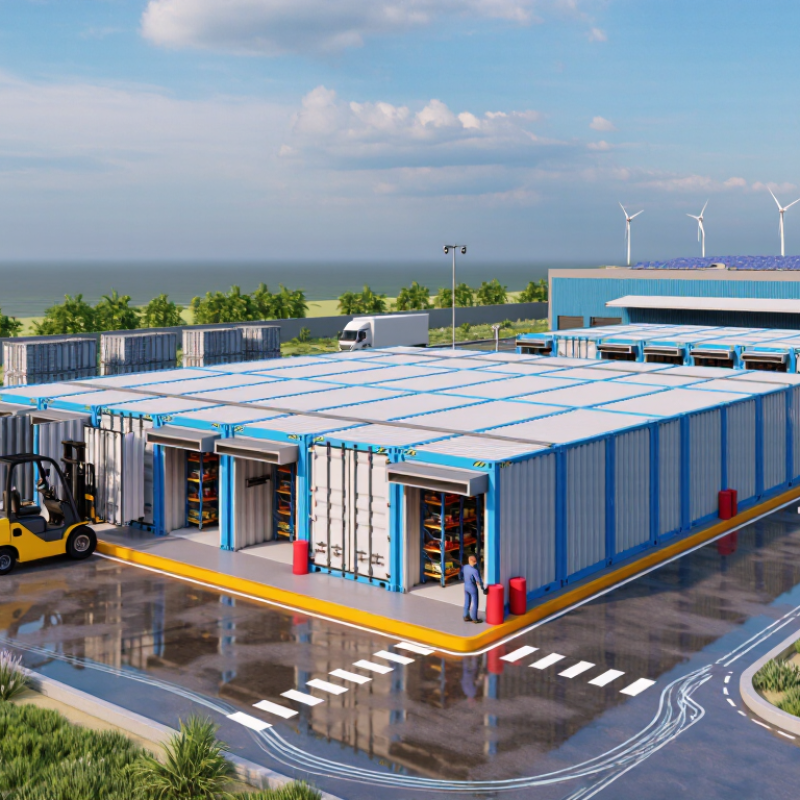
A yard suits durable goods, empty containers, and frequent truck access. It is usually the simplest option, but weather, security, and handling damage need control. A depot adds inspection, cleaning, repairs, and repositioning services. It works well when containers require regular operational attention. A warehouse offers stronger protection for packaged goods, sensitive equipment, and high-value inventory. However, rent and handling charges rise quickly. Modular container storage creates flexible space beside a site. It can support seasonal demand, though ground preparation, ventilation, and access planning are often underestimated.
Tips: Map every container’s next movement before selecting a site. Measure truck waiting time, gate hours, lighting, drainage, and emergency access. The Global Logistics Performance Index 2023 highlights reliability, tracking, and timeliness as core logistics factors. Storage should support all three, not just provide cheap square metres. In practice, a low-cost yard can become expensive when trucks queue for forty minutes. I have also seen teams choose warehouses for protection, then lose efficiency through repeated loading. That decision deserves a second look. A blended model may perform better: depot services for inspection, yard space for overflow, and modular units for temporary expansion. Review the choice quarterly, because freight volumes, equipment availability, and local operating costs can change faster than expected.
| Evaluation Dimension | Open Storage Yard | Container Depot | Warehouse Storage | Modular Container Storage |
|---|---|---|---|---|
| Primary Use | Outdoor parking for empty or loaded containers, trailers, vehicles, and durable goods. | Managed storage, inspection, repair, cleaning, and interchange of shipping containers. | Protected storage for packaged goods, inventory, components, and cargo requiring controlled handling. | Flexible, self-contained storage created from one or more standard containers or container modules. |
| Typical Storage Environment | Outdoor and exposed to rain, wind, temperature changes, and dust. | Outdoor or partly covered, usually with designated operational and inspection zones. | Enclosed building with improved protection from weather, theft, and contamination. | Weather-resistant enclosure; performance depends on insulation, ventilation, seals, and site preparation. |
| Best-Fit Inventory | Empty containers, machinery, construction materials, vehicles, and non-sensitive cargo. | Intermodal containers, refrigerated units, containers awaiting inspection, and transport equipment. | Retail stock, electronics, documents, food-grade packaged goods, and temperature-sensitive products when suitable controls are available. | Seasonal stock, tools, spare parts, project materials, emergency inventory, and small business overflow storage. |
| Space Flexibility | High Open layouts can be expanded or rearranged relatively easily if land is available. |
Medium to High Capacity is scalable, but traffic lanes, handling areas, and safety clearances must be preserved. |
Medium Racking and floor plans can be redesigned, but building constraints may limit expansion. |
High Modules can be added, relocated, stacked, or configured for different storage needs. |
| Weather Protection | Low Stored items need their own weather-resistant packaging or enclosures. |
Medium Containers offer basic protection, but handling areas may remain exposed. |
High Fully enclosed space generally provides the strongest protection from weather. |
Medium to High Good protection when modules are properly sealed, insulated, ventilated, and maintained. |
| Security Potential | Medium Perimeter fencing, lighting, cameras, access control, and patrols are normally required. |
High Controlled entry, inventory records, surveillance, and operational procedures are commonly used. |
High Building access controls, alarms, cameras, and internal inventory systems can be integrated. |
Medium to High Locking systems and cameras can be added, but site security remains important. |
| Handling Equipment Needed | Forklifts, reach stackers, container handlers, cranes, or suitable trailers may be needed. | Container handlers, reach stackers, chassis, inspection equipment, and repair tools are commonly required. | Forklifts, pallet trucks, racking systems, loading docks, and barcode or inventory systems may be required. | Forklifts or cranes may be required for positioning; internal handling can use shelving, carts, or pallet equipment. |
| Access and Retrieval Speed | Medium Fast when containers are individually positioned; slower when units are stacked or blocked in. |
High Designed for frequent receiving, dispatch, inspection, and equipment interchange. |
High Efficient when racking, dock layout, and inventory controls are well managed. |
Medium to High Convenient for local access, although layout and module placement affect retrieval time. |
| Climate Control | Limited Usually unavailable unless separate powered or insulated units are installed. |
Limited to Available Refrigerated containers may provide temperature control, subject to power and monitoring requirements. |
Available Heating, cooling, humidity control, and monitoring can be designed into the facility. |
Optional Insulation, HVAC, dehumidification, and monitoring can be installed, but capacity varies by design. |
| Typical Setup Time | Short May require grading, drainage, fencing, lighting, and traffic planning before use. |
Moderate Operational systems, permits, equipment, safety zones, and inspection areas may be needed. |
Longer Leasing or construction, fit-out, racking, utilities, and compliance work can extend preparation time. |
Short to Moderate Deployment is relatively quick when foundations, access, utilities, and permits are ready. |
| Indicative Cost Pattern | Generally the lowest storage cost per ground square metre, but land preparation and handling equipment add cost. | Moderate to high cost because storage is combined with handling, inspection, maintenance, and operational services. | Generally the highest recurring cost, reflecting building space, labor, utilities, security, and inventory services. | Moderate initial and operating cost; transport, foundations, modifications, utilities, and maintenance affect total cost. |
| Land Requirement | High Requires substantial space for stacking, turning radii, drainage, and safe vehicle movement. |
High Needs storage blocks plus inspection, repair, traffic, and interchange areas. |
Low to Medium Uses vertical storage efficiently, although docks, parking, and fire access remain necessary. |
Medium Needs a stable footprint, access for delivery equipment, and adequate service clearances. |
| Operational Complexity | Medium Complexity increases with stacking, traffic management, security, and container tracking. |
High Requires coordinated gate, inspection, maintenance, dispatch, and equipment-control processes. |
High May involve receiving, put-away, picking, cycle counting, quality control, and order fulfillment. |
Low to Medium Usually simpler for dedicated storage, but utilities, access, and module maintenance must be managed. |
| Key Compliance Considerations | Zoning, drainage, fire access, stormwater management, traffic safety, and local environmental rules. | Transport regulations, container safety inspections, lifting procedures, hazardous cargo rules, and site security. | Fire protection, occupational safety, building codes, food or product requirements, and environmental controls. | Planning permission, structural stability, fire safety, electrical systems, accessibility, and local building requirements. |
| Recommended When | Low-cost outdoor capacity and simple access are more important than climate protection. | Containers need frequent interchange, inspection, cleaning, repair, or transport coordination. | Inventory value, product sensitivity, order accuracy, and protection from environmental exposure are priorities. | Fast deployment, modular expansion, local access, or temporary and semi-permanent capacity is required. |
Planning note: Cost, capacity, setup time, and compliance requirements vary by site conditions, local regulations, cargo type, access frequency, security level, and required equipment. Use this comparison as a preliminary planning framework rather than a fixed quotation.
Durability begins with dimensional discipline. ISO 668 lists a standard 20-foot container at 6,058 millimeters long and 2,438 millimeters wide. A standard 40-foot unit measures 12,192 millimeters long. Measure the actual unit, not only its nominal size. Check door swing, corner fittings, floor clearance, and loaded turning space. Small errors become expensive when several units share one yard.
Climate exposure changes the specification. The World Meteorological Organization’s State of the Global Climate 2023 reported a global mean temperature 1.45°C above the 1850–1900 average. That number is global, not your site. Coastal storage needs stronger corrosion control, sealed electrical points, and planned drainage. Hot inland locations need ventilation and UV-resistant seals. Freeze-thaw regions require flexible coatings and raised foundations. The IPCC’s Sixth Assessment Report also identifies heavier precipitation as a growing risk in many areas.
Test before scaling. Place one loaded unit outdoors through a wet season, then inspect welds, hinges, roof seams, and floor moisture. Use temperature and humidity loggers inside.
I prefer evidence over a glossy specification sheet.
Still, one trial cannot represent every year. That is the uncomfortable part. Review ISO 668 dimensions, local climate records, maintenance access, and expected loading cycles together. A container may fit perfectly and still fail at the drain, hinge, or foundation.
Container storage decisions now require more than comparing rental prices. IMO’s 2023 GHG Strategy targets net-zero emissions from international shipping by or around 2050. It also sets indicative reductions of 20–30% by 2030 and 70–80% by 2040, compared with 2008 levels. The IMO Fourth GHG Study reported that shipping produced about 2.89% of global human-caused greenhouse gas emissions in 2018. Storage yards should therefore measure electricity, fuel, refrigerant use, and equipment idle time.
The numbers matter.
Calculate total cost across ten years, not one budget cycle. Include land preparation, drainage, lighting, reefer connections, inspections, cybersecurity, repairs, labor, and eventual replacement.
A low-cost surface may crack under repeated axle loads. Poor drainage can damage containers after one severe storm. Energy-efficient lighting and remote monitoring may reduce operating costs, but their payback depends on utilization and maintenance quality.
This is where many comparisons become too optimistic.
Security must be physical and digital. Use controlled gates, tamper alerts, camera coverage, and role-based system access. Keep audit records for every movement. The World Bank’s Container Port Performance Index 2023 shows how operational delays remain a major industry concern, so storage design should reduce unnecessary re-handling and truck queues. Yet automation is not automatically better. Complex systems can fail during outages or training gaps. Review real maintenance records, test emergency procedures, and require emissions reporting that supports IMO-aligned procurement decisions.