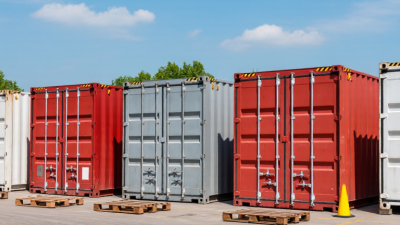
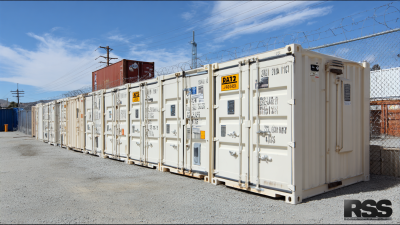
Choosing among the 7 best Moveable Storage Containers for global buyers takes more than comparing prices. A unit may look suitable online yet prove difficult to load, move, or maintain. Buyers should compare internal dimensions, payload limits, door access, floor construction, and weather protection. Small details matter. A forklift pocket in the wrong position can complicate handling, while an awkward doorway may limit what fits inside.
This guide compares container options by practical features and common buying needs. It considers portable storage units, modular designs, and cargo-oriented containers without assuming that one style works everywhere. Shipping routes, handling equipment, climate, and delivery access can change the best choice. A container suited to a dry warehouse may need different protection for a coastal site. That judgment can be wrong.
Before ordering, confirm the supplier’s specifications, condition, delivery scope, and available documentation. Ask how the container will be transported and unloaded at its destination. Check measurements against the actual site, including turning space and ground conditions. Requirements and equipment vary between locations, so buyers should verify applicable standards with qualified local professionals. This is not always convenient. But it can prevent costly surprises. The comparisons ahead are intended to help readers shortlist options, ask better questions, and weigh upfront cost against durability and day-to-day use.
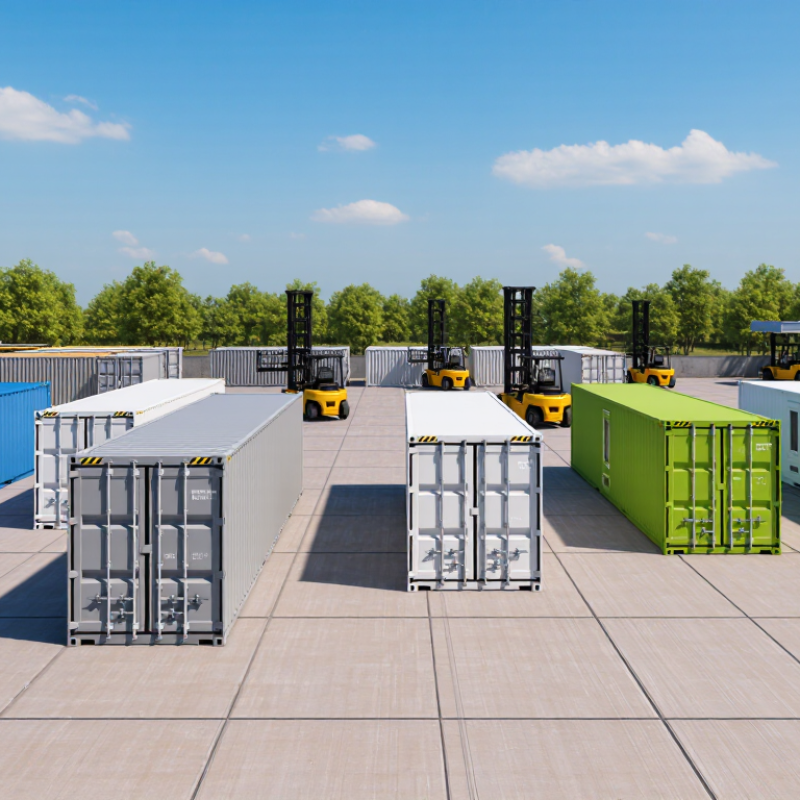
ISO 668 defines standard external dimensions for Series 1 freight containers, giving buyers a shared basis for comparing movable storage units. Common lengths include 20 and 40 feet, both typically about 8 feet wide. Standard height is around 8 feet 6 inches; high-cube units add roughly one foot. Exact dimensions and tolerances depend on the specification, so check the supplier’s data sheet.
A 20-foot unit often suits tools, equipment, or boxed stock at a worksite. The longer 40-foot size can store bulky materials, but needs more ground space and clear access for delivery. High-cube models help when items are tall or stacked. Compact 10-foot units can fit tighter yards, though availability varies. Measure the doorway. That matters.
ISO size describes the outside, not usable interior space. Door frames, wall linings, and floor thickness reduce room inside. A tidy specification sheet can still mislead. Check internal dimensions, payload rating, door opening, and site access before choosing. Allow room for a forklift or delivery vehicle, too. The right size is not always the largest one.
| Container Type | ISO 668 Size Family | Nominal External Dimensions (L × W × H) | Indicative Internal Volume | Typical Uses | Key Considerations for Buyers |
|---|---|---|---|---|---|
| 20-foot General-Purpose | 20 ft × 8 ft × 8 ft 6 in | 6,058 × 2,438 × 2,591 mm | About 33 m³ | Machinery, packaged goods, tools, and dense cargo where payload matters more than volume. | Compact footprint and widely used for shipping and secure on-site storage. Confirm the container’s rated payload and condition. |
| 40-foot General-Purpose | 40 ft × 8 ft × 8 ft 6 in | 12,192 × 2,438 × 2,591 mm | About 67 m³ | Furniture, cartons, palletized cargo, and general-purpose storage requiring more floor space. | Provides roughly twice the length of a 20-foot unit, but road weight limits may restrict how much cargo can be carried. |
| 40-foot High-Cube | 40 ft × 8 ft × 9 ft 6 in | 12,192 × 2,438 × 2,896 mm | About 76 m³ | Bulky or lightweight cargo, tall equipment, furniture, and storage that benefits from extra vertical clearance. | Offers approximately 305 mm more external height than a standard-height 40-foot container. Check site, door, and transport clearances. |
| 45-foot High-Cube | 45 ft × 8 ft × 9 ft 6 in | 13,716 × 2,438 × 2,896 mm | About 86 m³ | High-volume freight, retail stock, and long or bulky loads suited to compatible transport routes. | Availability and acceptance vary by route, terminal, carrier, and local road regulations. Verify handling compatibility before purchase or leasing. |
| 20-foot Open-Top | 20 ft × 8 ft × 8 ft 6 in envelope | 6,058 × 2,438 × 2,591 mm | Similar to a 20-foot general-purpose unit; usable space varies by design. | Top-loaded machinery, tall cargo, and goods that are difficult to load through end doors. | A removable roof cover allows overhead loading. Check cargo height, securing points, weather protection, and any removable roof bows. |
| 40-foot Open-Top | 40 ft × 8 ft × 8 ft 6 in envelope | 12,192 × 2,438 × 2,591 mm | Similar to a 40-foot general-purpose unit; usable space varies by design. | Long or oversized cargo loaded by crane, including industrial components and construction materials. | Useful when overhead access is essential. Confirm loading equipment, cargo lashing requirements, and cover arrangements. |
| 40-foot High-Cube Reefer | 40 ft × 8 ft × 9 ft 6 in envelope | 12,192 × 2,438 × 2,896 mm | Typically about 67 m³; refrigeration machinery reduces interior space. | Temperature-controlled food, pharmaceuticals, and other sensitive cargo requiring refrigerated transport or storage. | Requires a suitable power supply and correctly set operating conditions. Check the refrigeration unit, insulation, airflow, and service history. |
Note: Dimensions shown are nominal external dimensions associated with common ISO 668 size families. Internal volume is indicative and varies with manufacturer, construction, and equipment. Actual payload, tare weight, inspection status, and stacking limits should be verified from the individual container’s identification plate and documentation.