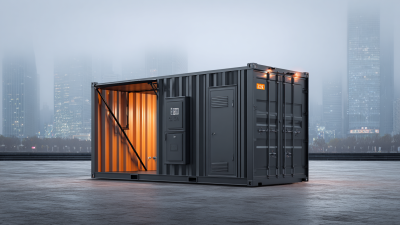
What Are the Top Types of Portable Storage Units?
Portable Storage Units can solve a practical problem: keeping belongings protected and accessible during a move, renovation, or seasonal cleanout. But the term covers several options. A driveway container, a portable moving vault, and a towable storage trailer do not serve every household in the same way. Details matter.
This guide explores the main types and what distinguishes them, including their typical sizes, delivery methods, access, and suitable uses. A large steel container may hold furniture and appliances near a home, while smaller vaults can be easier to place in limited spaces. Trailers offer mobility, but they require suitable vehicle access and enough room for delivery. Some providers also offer portable sheds designed for longer-term storage. Availability and features vary, so confirm measurements, loading limits, weather protection, and rental terms directly with the provider. A unit that fits on paper may be awkward beside a narrow gate or beneath low branches.
The right choice depends on what you need to store, how often you need access, and where the unit will sit. Consider the path from the door to the unit, not just its advertised capacity. An extra few feet can matter. No option is perfect; convenience may cost more, and a spacious unit can encourage unnecessary packing. Comparing these trade-offs helps you choose a solution that fits your space, schedule, and budget.
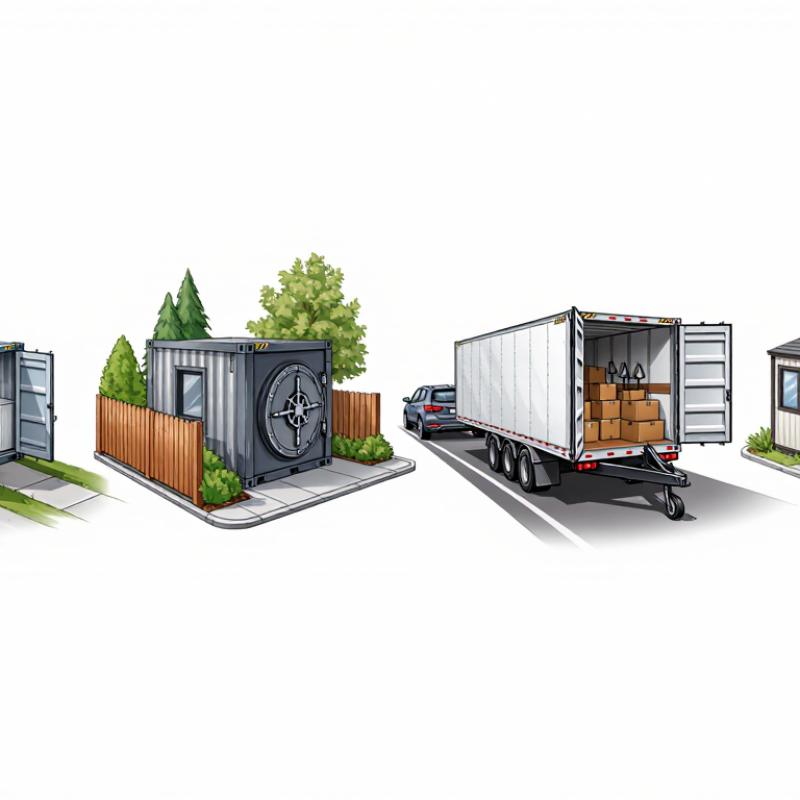
What Portable Storage Units Are and How They Work
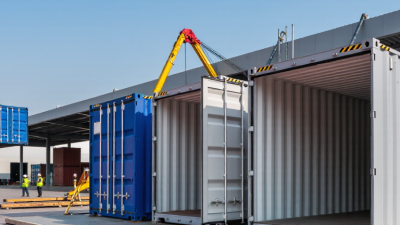
Portable storage units are lockable containers brought to a home, job site, or business. Unlike a fixed storage room, the container travels to the user. Most are made from steel or weather-resistant materials, with doors that allow access from ground level. After delivery, users load their belongings, secure the doors, and arrange pickup, on-site storage, or transport to another location. That part matters.
Container size, construction, and delivery options vary. Some units stay on a customer’s property; others are taken to a storage facility after loading. Before delivery, check whether a truck can reach the placement area and whether the ground is firm and level. Leave room for the doors to open. Inside, distribute heavy boxes across the floor rather than stacking all the weight at one end. It sounds simple, but a narrow driveway or uneven surface can complicate the plan.
The Self Storage Association’s 2023 Self-Storage Demand Study estimated that 11.1% of U.S. households rent self-storage. That figure covers the wider self-storage sector, not portable containers alone, but it shows how common off-site storage needs are. Portable units can reduce repeated trips, yet they may require advance scheduling and careful loading. A useful detail to confirm is whether the rental includes transport, storage, and insurance, or charges for each separately. The small print can change the real cost.
Portable Storage Containers for Home and Business Use
Portable storage containers bring the storage space to the driveway, job site, or loading area. Common options include steel containers delivered by truck, weather-resistant units kept on-site, and portable boxes collected for warehouse storage. Choose by access, capacity, and delivery method—not appearance alone. A narrow driveway can limit placement. Check the ground, door clearance, and local site rules before delivery.
The Self Storage Association’s 2023 Demand Study reports that 11.1% of U.S. households used self-storage. That figure covers the broader self-storage sector, not portable containers specifically—a distinction worth keeping clear. For households, containers can hold furniture during renovations or between moves, with frequent access while items remain on-site. For businesses, they can store tools, seasonal stock, or office equipment near daily work. The U.S. Small Business Administration counted 33.2 million small businesses in 2023, a large potential user base, though not a measure of storage demand. Ask providers about lock design, ventilation, weather protection, delivery fees, and pickup timing. Damp floors matter. So does access. A container may solve a space problem, but poor placement can create one; measure the site before booking.
Mobile Storage Trailers for Large or Frequent Loads
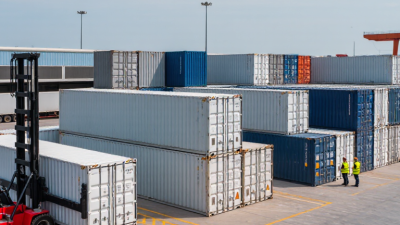
Mobile storage trailers suit businesses that move bulky materials or cycle through inventory every week. A trailer can sit beside a loading bay, keeping pallets, tools, or event equipment close to the work. Teams load it once, then dispatch it when full, rather than making repeated trips with smaller containers. That matters.
The American Trucking Associations’ American Trucking Trends 2024 report says trucks carried 11.46 billion tons of U.S. freight in 2022, or 72.6% of domestic freight tonnage. Separately, the Federal Highway Administration’s Freight Analysis Framework projects freight tonnage will grow about 50% from 2020 to 2050. These figures describe freight broadly, not storage trailers specifically, but they show why flexible staging can help busy operations. For frequent loads, ask about door access, interior clearance, loading equipment, and pickup scheduling before choosing a unit. Check the floor for damage, too. Small problems become inconvenient fast. A trailer is not automatically the right fit: limited parking, uneven ground, or infrequent access can turn extra capacity into wasted space. Measure the route and loading area on site; plans can miss a tight turn or a low overhead beam.
Portable Sheds and Modular Units for Long-Term Storage
What Are the Top Types of Portable Storage Units?
Portable Sheds and Modular Units for Long-Term Storage
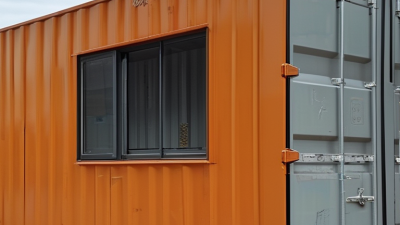
Portable sheds and modular units suit different long-term storage needs. A shed can hold garden tools, bicycles, or boxed seasonal items close to home. Modular units often provide more capacity and a sturdier structure for equipment or business inventory. The Self Storage Association’s 2023 Demand Study estimated that 11.1% of U.S. households rented self-storage. This signals demand for extra space, but it does not mean every property needs a portable unit.
For years of storage, focus on moisture control, security, and access. Choose a level, well-drained base, and check the unit’s floor-load rating before storing heavy items. Shelves should leave room for airflow; damp cardboard against a cold wall can become a problem. A lock helps, but it cannot fix poor site lighting or weak doors. I would not assume that a larger unit is automatically better. Extra space can make stored items harder to inspect.
Tips: Compare delivery access, anchoring options, ventilation, and maintenance requirements before choosing. Keep frequently used items near the door, and leave a small aisle. Check for condensation after the first heavy rain. It is easy to overlook. If the unit will sit for years, ask how repairs work and what parts may need replacement.
How to Compare Portable Storage Types for Your Needs
Portable storage units differ in delivery, access, and how long they can stay on-site. A steel container suits bulky furniture or renovation materials, but its delivery truck needs firm ground and turning room. Measure the driveway, gate, and overhead clearance before booking. Small detail, big consequence. A compact storage box may fit tighter spaces and can be easier to load at ground level. Its capacity is limited, though; a sofa, boxes, and appliances can fill it quickly. Check the door width, interior dimensions, and whether the unit is weather-resistant, not simply described as weatherproof.
Moving trailers can work well when you want to load at your own pace and transport items in one trip. They may be less convenient for weeks of on-site storage, especially where parking is scarce. Compare delivery and pickup windows, rental minimums, access hours, floor limits, and protection from rain or condensation. For delicate belongings, use sealed bins and keep items off the floor when possible. That may sound fussy, but damp cardboard is a real nuisance. Photograph the site and your largest items, then ask the provider to confirm clearance and usable capacity in writing. A larger unit is not always better; poor placement can block a walkway or make daily access awkward.
What Are the Top Types of Portable Storage Units?
Compare typical ground-level footprints to find a storage type that fits your space and project.
Portable storage containers are a compact choice for household moves and renovations. Storage trailers typically offer the largest footprint, while portable sheds provide a range of sizes for ongoing storage at home. Ranges are approximate examples calculated from common unit dimensions; actual sizes vary by model and provider.