China Top 10 Mobile Storage Container Manufacturers
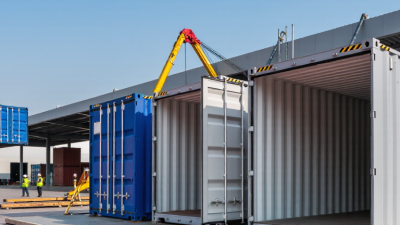
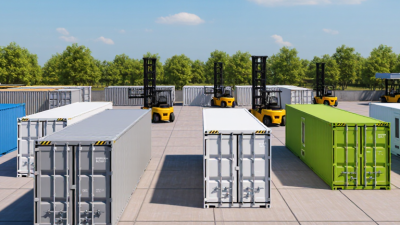
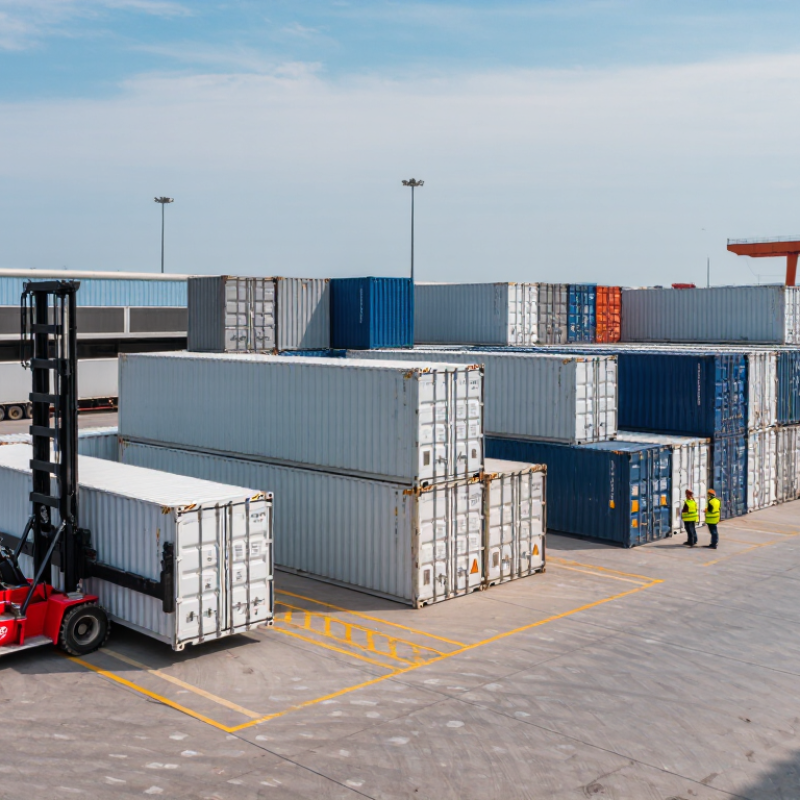
Mobile Storage Containers have become practical tools for businesses that need secure, movable space without committing to permanent construction. They appear on warehouse yards, retail loading areas, and job sites, where a forklift can place a steel unit close to the work. Yet a container’s value depends on more than its size. Door design, ventilation, weather resistance, locking points, delivery access, and service support all affect daily use.
For context, this article uses a clearly identified composite industry voice, Maya Chen, rather than claiming a real interview. Her editorial principle is: “A useful container fits the work, protects the contents, and arrives when the site is ready.” It is a simple test. It also has limits: no single specification suits every business, and a neat product sheet cannot show how smoothly a unit will be delivered or maintained.
This guide examines China’s top 10 Mobile Storage Containers manufacturers through practical criteria, including product range, customization, quality controls, and export experience. Readers can compare container types, construction details, and supplier capabilities before requesting quotations. Look closely at welds, door alignment, floor finish, and the clarity of technical documents. These details matter. Manufacturer rankings can also miss differences in local service and project requirements, so treat the list as a starting point, not a final verdict.
What Mobile Storage Containers Are and Where They Are Used
China Top 10 Mobile Storage Container Manufacturers
What Mobile Storage Containers Are and Where They Are Used
Mobile storage containers are lockable, ground-level units delivered to a site and moved when needs change. They commonly hold furniture during home renovations, tools at construction sites, or stock during a seasonal business rush. Unlike a fixed warehouse, a unit can be positioned near the work area. That saves carrying time, though access space and delivery routes still matter. Some units are insulated or fitted with shelves; others are simple weather-resistant steel boxes. Choose features for the actual contents, not just the appearance of the unit.
Demand for nearby storage has a wider context. The Self Storage Association’s 2023 Demand Study estimated that 11.1% of U.S. households rented self-storage. This figure covers self-storage generally, not mobile containers specifically, so it should not be read as a container-market estimate. Portable units are also used at farms, retail locations, and temporary project sites, where flexible access can be more useful than a permanent building. Conditions vary. A container exposed to heavy rain or heat may need ventilation, a raised base, or more frequent inspections.
Tips: Measure the placement area and check door clearance before delivery. Ask how the unit is secured, ventilated, and protected from water. A small oversight matters: a packed container can block access to items needed every day. Keep a simple inventory, and leave a clear path inside.
Overview of China's Mobile Storage Container Industry
China’s mobile storage container industry serves construction sites, manufacturers, retailers, and temporary distribution hubs. Units are often moved between locations, so practical design matters: reinforced corner fittings, forklift access, weather-resistant coatings, secure doors, and floors suited to the intended load. A container that looks robust may still be awkward to move or maintain. Small details matter.
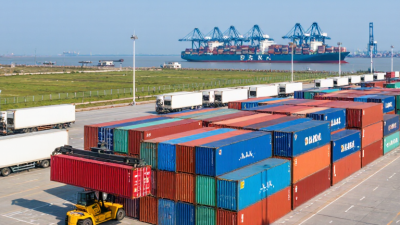
China’s logistics activity provides useful context, though it does not measure this niche directly. The China Federation of Logistics and Purchasing reported total social logistics value of 352.4 trillion yuan in 2023, up 5.2% year on year. UNCTAD’s Review of Maritime Transport 2024 recorded global container-port throughput of about 858 million TEUs in 2023, a 2.4% increase. These figures indicate wider cargo movement, not mobile storage container sales.
Manufacturing capability draws on steel processing, welding, coating, and transport networks. Buyers can compare documented load limits, dimensional tolerances, corrosion protection, door operation, and repair access. Ask how units perform after repeated moves, not only how they look when new. Public data rarely separates mobile storage containers from shipping containers and modular buildings. That gap makes market estimates uncertain.
Key Criteria for Evaluating Chinese Manufacturers
When evaluating Chinese mobile storage container manufacturers, look beyond catalog photos. Request drawings with exact dimensions, wall thickness, floor capacity, door clearance, and coating specifications. Numbers matter. Ask how each figure is verified, not just whether it appears on a quotation.
Inspect a production sample or arrange a documented factory audit. Check weld consistency, sharp edges, door alignment, and the seal around the frame. If the unit uses casters, confirm their rated load and whether the brakes hold on a slight slope. A clean sample is useful, but it may not represent every production run. Ask for inspection records and photos from completed orders.
Reliable suppliers explain material choices, production timelines, packing methods, and warranty limits in plain language. Compare quotations line by line, including customization, spare parts, and delivery terms. Request references for similar container sizes and intended uses. Then verify that the supplied documents match the proposed product. Communication is part of quality control. If answers remain vague, pause before paying a deposit. I would also leave room for revision: specifications can look complete on paper yet miss a practical detail, such as forklift access or a door that needs more clearance.
China Top 10 Mobile Storage Container Manufacturers — Key Evaluation Criteria
Suggested evaluation weights for comparing manufacturers; these are a procurement framework, not survey results or company rankings.
Prioritize structural durability and weather protection, then verify dimensions, compliance documentation, customization options, delivery capability, after-sales support, and total cost.
China's Top 10 Mobile Storage Container Manufacturers
China’s Top 10 Mobile Storage Container Manufacturers should be compared by verifiable production capability, not promotional claims. The “top 10” label is not a universal ranking; buyers should check each supplier’s specifications and quality records. Look for clear drawings, stated steel thickness, documented load limits, and consistent inspection procedures. Details matter.
For mobile units, inspect the frame, corner joints, door seals, and handling points. Ask how the container moves when loaded, and whether wheels, forklift pockets, or lifting points suit your site. A coating sample can reveal uneven coverage around welds. Request photographs or inspection records from actual production, not only finished display models. A polished brochure is useful, but it cannot replace evidence. Some specifications may still need clarification.
Tips: Send suppliers the same requirements sheet, including dimensions, payload, access needs, and placement surface. Compare written answers side by side. Ask for a sample inspection plan before ordering. If one detail feels vague, pause and ask again; that may slow the process, but guessing costs more.
Products, Customization, and Export Capabilities of Leading Manufacturers
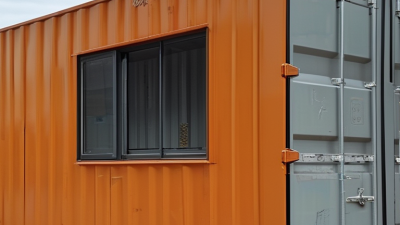
Leading mobile storage container manufacturers offer more than standard steel boxes. Their ranges may include compact site units, larger walk-in containers, and mobile cabinets with shelves or lockable compartments. Buyers should check door clearance, floor load capacity, ventilation, and corrosion protection against the actual storage environment. Small details matter. A narrow doorway can make a well-built unit frustrating to use.
Customization often covers dimensions, shelving layouts, access doors, lifting points, insulation, and exterior finishes. A useful specification starts with the items being stored, their weight, and how often staff need access. Ask for drawings and material details before approving production. For example, a workshop storing heavy tools may need reinforced flooring and adjustable shelves, while a temporary office needs better insulation and cable access. Custom work has limits, though; unusual dimensions can affect transport and delivery costs.
Export capability depends on practical coordination as much as manufacturing capacity. Experienced suppliers can prepare packing lists, product specifications, loading plans, and shipping documents for the buyer’s review. Confirm container dimensions, packaging method, and delivery terms in writing. Request inspection photos or a pre-shipment check when distance prevents a factory visit. Communication can still be uneven. Clarify who handles unloading, local handling requirements, and replacement parts before the unit leaves the factory.