Why Choose Moveable Storage Containers for Your Business?
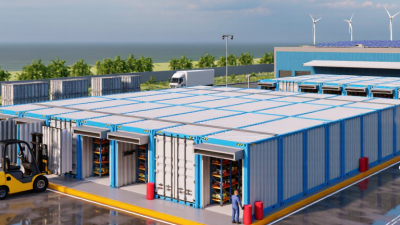
Moveable Storage Containers can turn unused yard space into practical storage without committing to a permanent building. For a business with seasonal stock, tools, or project materials, that flexibility can matter. A container beside a loading bay can keep frequently used supplies close, while reducing trips across a crowded site. Small details count.
The 2024 State of Logistics report from the Council of Supply Chain Management Professionals estimated U.S. business logistics costs at $2.3 trillion in 2023, or 8.7% of GDP. That figure reflects a broad, costly system—not a guaranteed saving from any single container. Still, it shows why companies examine storage, handling, and space use together. Martin Christopher, an emeritus professor of marketing and logistics at Cranfield University, is often quoted: “The competition is no longer between companies, but between supply chains.” Moveable storage can support that wider system when it places inventory nearer to the work.
The fit depends on access, delivery clearance, ground conditions, security needs, and how often staff retrieve items. A container may simplify a busy operation; it may also create a cramped corner if placement is poorly planned. Not always. Before choosing, compare rental terms, delivery arrangements, ventilation, and the space needed for safe loading. The container is only one part of the decision. A site walk-through—and an honest look at what will actually be stored—can prevent an expensive mismatch.
What Are Moveable Storage Containers?
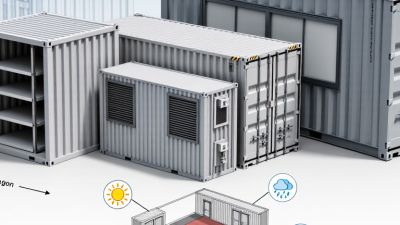
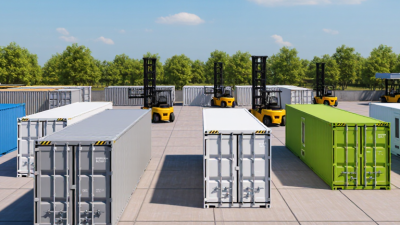
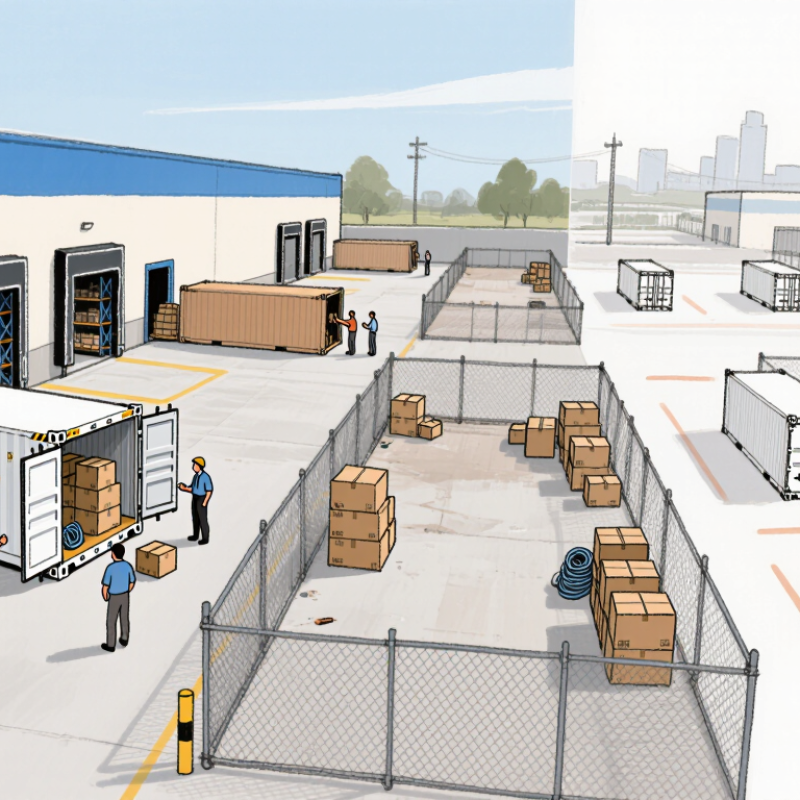
Moveable storage containers are portable, enclosed units that businesses can have delivered to a worksite, warehouse, or loading area. Unlike fixed storerooms, they can be repositioned as operations change. A typical unit has a steel frame, lockable doors, and a raised floor. Staff might keep boxed inventory, hand tools, or seasonal fixtures inside, then move the unit closer to the next job. Simple idea. Container sizes and features vary, so check door clearance, floor capacity, and weather protection before choosing one.
These units can also reduce repeated handling: stock stays in a labeled container near the team using it. That may help a busy site, but it is not automatic; poor placement can block vehicle routes or create extra walking. The Council of Supply Chain Management Professionals’ 2024 State of Logistics Report estimated U.S. business logistics costs reached $2.3 trillion, or 8.7% of GDP, in 2023. That figure covers the wider logistics system, not storage containers specifically, but it shows why practical material handling matters. Consider access frequency, delivery schedules, and whether the container must move while loaded. A small operational trial can reveal awkward details that a floor plan misses. The fit may still be imperfect.
Why Choose Moveable Storage Containers for Your Business?
Example Storage Volume by Container Size
Moveable containers can provide flexible on-site storage as business needs change. The volumes shown are calculated from the example dimensions (length × width × height); they are illustrative, not industry averages.
How Do Moveable Storage Containers Work?
Moveable storage containers work by bringing secure, enclosed space directly to a business site. A delivery truck places a unit on firm, level ground, often near a loading area or work zone. Staff can load tools, stock, documents, or project materials through the container doors, then lock it between shifts. The unit remains accessible on-site, reducing repeated trips to a remote storage facility. Need more room later? A provider can deliver another unit or relocate one, subject to site access and lifting requirements.
Their value depends on practical details. The ground must support the loaded container, and trucks need enough clearance to position or remove it. Staff should label shelves, keep heavy items low, and leave a clear aisle; otherwise, convenient storage can become a cluttered bottleneck.
The CSCMP’s 2024 State of Logistics Report estimated U.S. logistics costs at $2.3 trillion in 2023, or 8.7% of GDP. Flexible, nearby storage can help manage handling and space pressures, though it will not fix poor inventory planning.
The U.S. Census Bureau reported that e-commerce sales reached $1.19 trillion in 2024, equal to 16.1% of retail sales. For businesses handling frequent deliveries, a container can serve as a short-term staging point for incoming goods or outgoing orders.
What Business Needs Can They Address?
Moveable storage containers can address changing space needs without requiring a permanent building addition. A retailer, for example, may store seasonal displays, boxed stock, or packaging in a container near its loading area. Staff can retrieve items as needed instead of filling aisles or making repeated trips to a distant warehouse. That can make busy periods easier to manage.
Contractors and service teams may use containers to keep tools, materials, and job records close to an active worksite. Shelving, labeled bins, and a basic inventory list help workers find equipment faster. Less searching. A container can also provide temporary storage during an office renovation or equipment replacement, when indoor rooms are already crowded. Its usefulness depends on practical details, though: delivery access, ground conditions, ventilation, and protection from weather all deserve attention.
Growing businesses may value the flexibility to add or relocate storage as operations change. Still, a container is not a cure for every space problem. Frequent access can become awkward if items are packed too tightly, and sensitive supplies may need more controlled conditions. A simple layout plan helps, but it may need revising once staff begin using the space. Regular checks for moisture, blocked walkways, and misplaced stock keep the setup dependable.
What Benefits Do They Offer Businesses?
Moveable storage containers give businesses room to adapt when stock, tools, or project needs change. A container placed near a loading area can keep cartons close to the team handling daily dispatches. On a renovation site, it can hold equipment without filling an indoor work zone. Less shuffling. Staff spend less time carrying supplies across a building, and core work areas stay clearer.
The flexibility is useful when operations are temporary or seasonal. A retailer might need extra space before a busy sales period, while a contractor may need secure storage at a changing job location. Businesses can often add, relocate, or remove units as needs shift, rather than committing to permanent construction. That helps. It can also make inventory easier to organize: shelves, labeled bins, and a simple aisle plan turn a bare container into usable working space.
Practical details still matter. The container needs a stable, accessible placement, and teams should check door clearance, ventilation, and protection from moisture before storing sensitive items. A crowded unit can become harder to manage than the space it replaces. And moving it is not instant; access, delivery timing, and site conditions can affect the plan. Those limits are easy to overlook when storage feels urgent.
How Can a Business Choose the Right Container?
A business should choose a moveable storage container around the materials it will hold, not just the space available. Measure the largest items, then check the container’s usable interior dimensions and door opening. Measure twice. Shelving, pallets, and awkward equipment can reduce usable space quickly. Leave room to walk safely and retrieve items without unloading everything.
Consider where the container will sit and how it will reach that spot. Check ground firmness, vehicle access, overhead clearance, and space for doors to open. Access matters. Match the container’s capacity to the weight of stored goods, and ask the supplier about floor limits. For documents, tools, or stock sensitive to dampness, ask about weather seals and ventilation. A dry-looking site is not always a dry one.
Think about how long storage is needed and whether the layout may change. A container that works beside a warehouse may be awkward near a customer entrance or narrow loading area. It is easy to overestimate convenience on a plan; walk the delivery route before arranging placement. Check that locks, lighting, and staff access suit daily use. If stock changes often, a smaller unit with a clear inventory routine may work better than a large container filled to the back.