Which Are the Top Storage Container Storage Units in China?
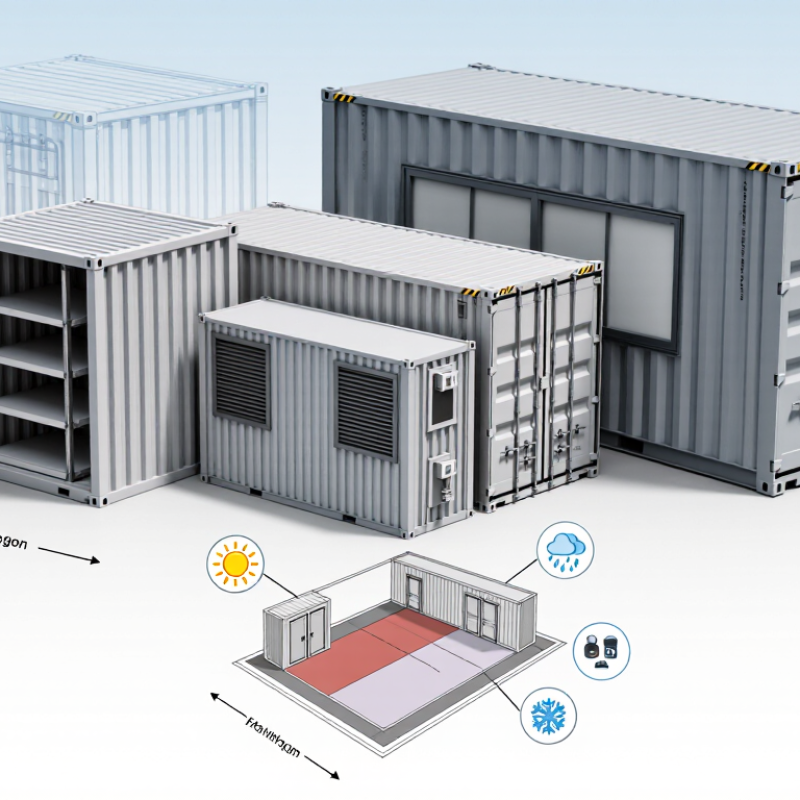
China’s Storage Container Storage Units range from basic steel boxes to insulated, modular units designed for workshops, inventory, or temporary site storage. The right choice depends less on a product label than on the conditions it must handle. Consider the intended contents, available ground space, access needs, and local weather before comparing suppliers.
A useful shortlist should include clear dimensions, steel and coating specifications, door details, ventilation options, and documented load limits. Ask whether insulation, shelving, electrical fittings, or custom openings affect delivery time and price. Details matter. A low quoted price may exclude transport, installation, or site preparation, so request an itemized offer. Check the manufacturer’s production records, quality-control process, warranty terms, and ability to provide relevant test documents. Requirements vary by project; confirm applicable standards with qualified local professionals.
Photos are not proof. A clean catalogue image cannot confirm how a unit performs after repeated use or exposure to moisture. Request current product images, drawings, and references for comparable installations, then compare like-for-like specifications. This guide examines leading options in China by construction, customization, durability, and supplier transparency. “Top” is not one fixed ranking: a compact unit may suit a retail site, while a larger insulated model may better protect sensitive stock. Some listings provide incomplete details, and that uncertainty deserves attention. The aim is to help buyers ask sharper questions and select a storage unit suited to the site, budget, and daily workflow.
Storage Container Units in China: Definitions and ISO 668 Standards
Which Are the Top Storage Container Storage Units in China?
Storage Container Units in China: Definitions and ISO 668 Standards
In China, “storage container” usually means a repurposed or purpose-built steel unit for temporary or long-term storage. ISO 668:2020 classifies Series 1 freight containers by external dimensions and ratings. A standard 20-foot unit measures about 6,058 mm long, 2,438 mm wide, and 2,591 mm high. A common 40-foot unit is 12,192 mm long. Small differences matter.
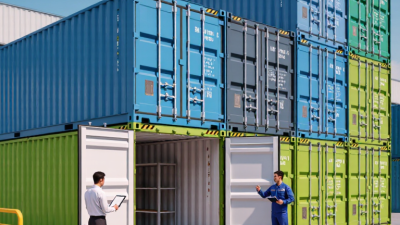
ISO dimensions do not guarantee identical usable interiors. Door frames, lining, repairs, insulation, and floor thickness can reduce clear space. Measure twice. Check the doorway, internal width, corner castings, flooring, ventilation, and drainage. A rainy-day inspection can reveal leaks that photographs miss. A listing alone is not enough.
Standard dimensions support interchangeability in transport and storage. UNCTAD’s Review of Maritime Transport 2024 reported global container-port throughput of 858.9 million TEUs in 2023. TEU measures capacity using a 20-foot equivalent; it does not count storage units or confirm their condition. This distinction is easy to miss. Buyers in China should compare stated dimensions with ISO measurements and check modifications in person. Older units may be uneven, and records can be incomplete.
Main Formats: 20-Foot (1 TEU), 40-Foot (2 TEU), and High-Cube Units
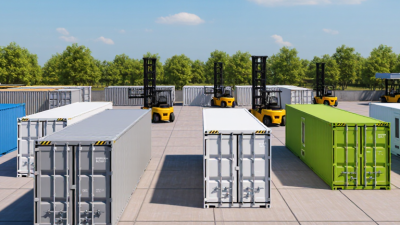
In China, storage container units are commonly compared by length and internal height. A 20-foot unit is rated at 1 TEU and suits tools, boxed stock, or a small workshop setup. Its shorter footprint can fit tighter yards, though door access and turning space still matter. A 40-foot unit is rated at 2 TEU and provides more floor area for bulky inventory. That extra length can be awkward on a narrow site. TEU is a capacity reference, not a promise of exact usable space; internal dimensions vary by unit and condition.
High-cube units add height compared with standard-height containers, often around one extra foot externally. The added clearance helps with tall shelving, stacked cartons, or equipment that cannot lie flat. Check the interior height, door opening, floor condition, and ventilation before choosing. A high cube may look spacious, but poor access can waste that space. Also consider how delivery vehicles will position the unit and whether the ground is level. Measurements on older units may not match a listing exactly.
Tips: Measure your tallest item and the route through the doors. Leave room for safe loading, not just storage. When unsure, inspect the actual unit.
How to Compare Leading Chinese Units: Capacity, Materials, and Specifications
For Chinese storage units, compare usable capacity, not the advertised size alone. ISO 668:2020 defines standard container dimensions; common 20-foot and 40-foot dry units offer roughly 33 m³ and 67 m³ of internal volume. Actual space varies with wall thickness, insulation, and door fittings. Check internal length, width, and height on the specification sheet, then measure bulky items against the doorway. A few centimeters matter.
Material and load ratings reveal how a unit may perform over time. Steel construction is common, but compare coating, weld quality, floor condition, and corrosion protection. Ask for tare weight, maximum payload, and floor-load details; these figures are not interchangeable. ISO 1496-1 sets test requirements for general-purpose freight containers, offering a useful reference point. UNCTAD’s Review of Maritime Transport 2024 reports 858.8 million TEU in global container port throughput for 2023. That scale makes clear why standard sizing matters, though port data cannot certify an individual unit’s condition. I would not rank a container by volume alone. A clean specification sheet can still miss a dented floor or worn seal. Inspect it in person when possible.
Supplier Benchmarks: Production Capacity, Certifications, and Delivery Data
A useful supplier benchmark goes beyond a factory’s advertised annual capacity. Ask how many storage units it can complete each month, and how many production lines are currently active. Compare that figure with recent output records, not just a polished presentation. A visit or live video walkthrough can help confirm equipment, workspace, and finished-unit staging areas. Check whether the quoted capacity still holds during peak seasons.
Tips: Request certification documents with issuing body, scope, and expiry date visible. Confirm that each certificate applies to the product and facility you are evaluating. Ask for recent inspection reports, too. A document alone is not proof of consistent quality.
Delivery data deserves equal attention. Request dates for several recent orders, including production start, inspection, dispatch, and arrival. Compare promised lead times with actual records, and ask how delays were handled. Check whether packaging protected corners and door hardware during transit. A clean spreadsheet can still hide exceptions; ask what went wrong on a delayed shipment. No supplier has a perfect record, and an honest answer may be more useful than an impressive average. Keep the comparison consistent: same unit size, finish, order quantity, and delivery terms.
China Storage-Container Supplier Benchmark: Typical Unit Capacity
Typical internal volume of common dry-container formats offered by suppliers. Values are representative specifications, not supplier-specific production or delivery data.
Typical published capacities: 20-foot standard, 33.2 m³; 40-foot standard, 67.7 m³; 40-foot high-cube, 76.3 m³. Actual internal volume varies by model and manufacturer. Verify certifications, production capacity, and delivery schedules directly with each supplier.
Safety and Durability: CSC Compliance, Payload, and Corrosion Protection
For storage container units in China, start with the CSC safety approval plate when the unit is intended for international transport. The International Maritime Organization’s 1972 CSC framework requires approved containers to carry key operating information. Check maximum gross mass and tare weight; payload is the difference, not a sales estimate. The plate matters. A CSC plate is not a blanket quality guarantee, and stationary storage units may have different requirements. Inspect corner castings, welds, door locks, and the floor before loading or stacking.
Handling risks remain real. The World Shipping Council’s Containers Lost at Sea 2023 Update recorded 221 containers lost overboard in 2023, compared with 661 in 2022. These figures concern vessels, not storage yards, but they underline why load limits and secure handling matter.
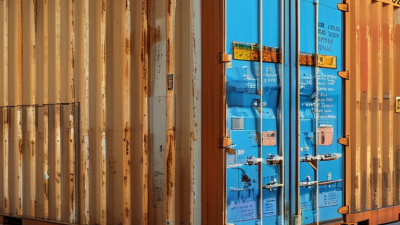
Corrosion checks deserve equal attention. Look closely at roof seams, lower rails, and scraped paint, where water can sit unseen. ISO 12944-5 guides protective coating selection for steel structures; it does not promise a fixed service life. UNCTAD reported global container port throughput of 858.8 million TEUs in 2023, reflecting heavy movement through the supply chain. That is useful context, not proof that any unit is durable. A fresh coat can hide trouble. Ask for inspection records, repair history, and clear payload markings, then verify them against the unit itself.